



Dos and don’ts for the perfect roast
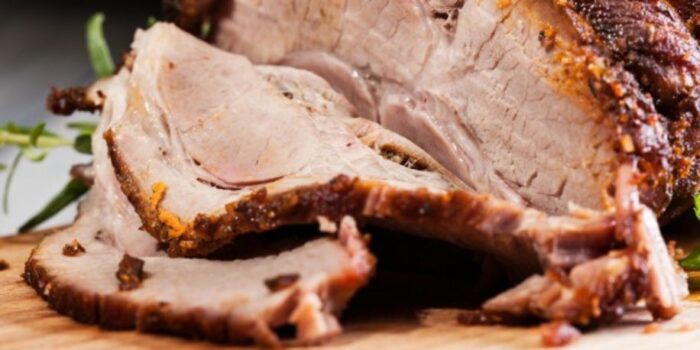
Perfectly cooking a large piece of meat may seem intimidating, but it’s easier than it looks. With these tips, you’ll serve a beautiful piece of roasted meat.

Meat
How you approach your roast depends on the type of meat you use. We think meat still attached to the bone is the most delicious, as it imparts its flavor to the meat during cooking.
It’s best to discuss the type of meat with your butcher. A pork loin, for example, has a very different flavor and preparation method from a large piece of pork belly.
Seasoning
There are countless different ways to give the meat extra flavor. Go for classic French and use rosemary and garlic. Or make an Asian marinade with soy sauce, ginger or lemongrass.
Marinate the meat a day in advance so all the flavors can infuse well. Spread the marinade over the entire outside of the meat, or cut into the meat so you can also add filling or marinade inside it. The video below shows you how to do this.
Temperature
It’s important that the meat isn’t too cold when you start cooking it, because it will then be shocked by the high temperature and become tough. While you might take a steak out of the refrigerator half an hour in advance, a large piece of meat needs more time. How long your meat needs depends on its weight, but for a large piece of meat allow approximately one and a half to two hours.
Searing
The best way is to first sear the meat well in a pan so it becomes nice and crispy and full of flavor. Do this in butter and on all sides until the meat is beautifully browned. It can then continue cooking gently in the oven until it reaches the perfect doneness.
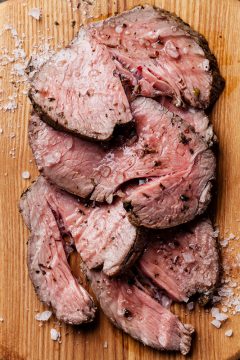
Thermometer
But how do you know whether your meat has reached the right doneness? Very simply, insert a meat thermometer into your meat. This one can be inserted into the meat, and you can read the temperature outside the oven. This allows you to monitor the temperature perfectly.
Keep in mind: make sure the thermometer is in the center of the meat and isn’t touching a bone. The required internal temperature varies by type of meat, so look it up in advance or consult your butcher.
Resting
When you take the meat out of the oven, you’ll naturally want to sink your teeth into it immediately—we get it. Still, wait just a little longer and let the meat rest, wrapped in aluminum foil, for 10 to 20 minutes.


