


How Lidl and Aldi manage to stay so cheap
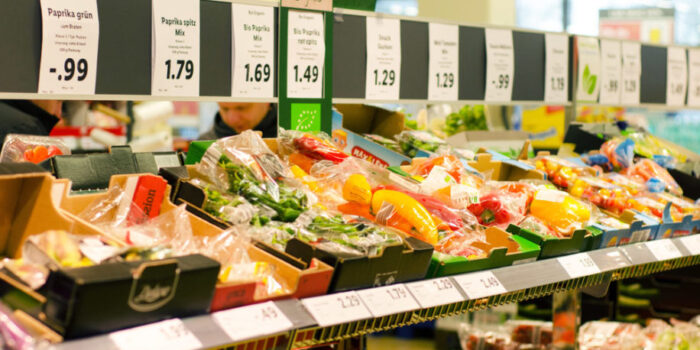
What do Lidl and Aldi have in common? They’re German and cheap. But how do they do it? It’s not by compromising on quality, at least, because both supermarkets have won all kinds of awards. So how do they do it?

When Lidl entered the U.S. market, Business Insider listed the strategy behind the low prices:
1. Private labels
The vast majority of the products (90 percent) are produced specifically for Lidl: Lidl brands, in other words. This gives the company more control over production costs (and therefore prices), and there are no intermediaries adding extra costs.
2. Limited choice
Whereas in other supermarkets you can choose from as many as seven different types of mustard, Lidl only has two. This gives Lidl a strong position when purchasing: it can buy more from suppliers, giving it greater leverage in price negotiations.
3. Original packaging
Unpacking everything neatly and placing it carefully on the shelves? Not at Lidl. They usually present their products in the packaging in which they were shipped. It saves money and, above all, time.
4. Fewer employees
This brings us to the next point: if less time is needed to stock the shelves, fewer shelf stackers are needed as well. Fewer employees means lower costs and therefore sharper prices.
5. Savings
Lidl places great importance on sustainability: waste is out of the question. Sustainability is often associated with expensive solutions, but sometimes it’s very simple: Lidl tries, for example, to make maximum use of natural light, so it spends as little money as possible on artificial lighting.
Aldi
More or less the same applies to Aldi, although a few years ago it did add more major brands to its range.
Also read:


