



How to: grow your own ginger
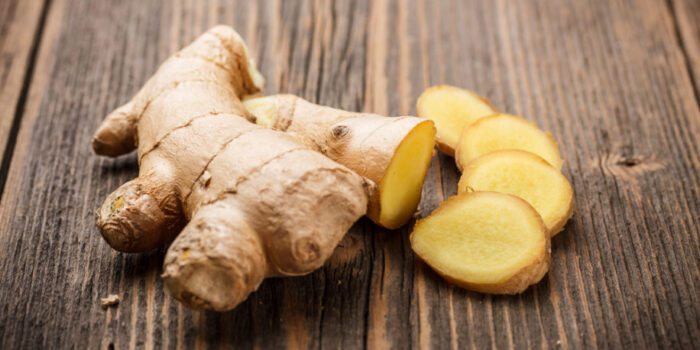
Ginger—we absolutely love it. In tea, of course, but we also add this beneficial flavoring to all kinds of (Asian) dishes, such as this amazing satay ayam! Or how about this fantastic Jonnie Boer recipe for pork belly! You can also roast ginger really well, did you know that? Another great option is growing your own ginger—and here’s how.

In Chinese medicine, ginger, the rhizome of the ginger plant, has been known for centuries for its positive effects on the stomach and lungs. Ginger is also said to have pain-relieving properties. By now, it is not only Chinese medicine that believes in ginger’s beneficial effects. Various scientific studies have shown that ginger contains anti-inflammatory substances. All the more reason to use as much ginger as possible (especially now)!
How to get started?
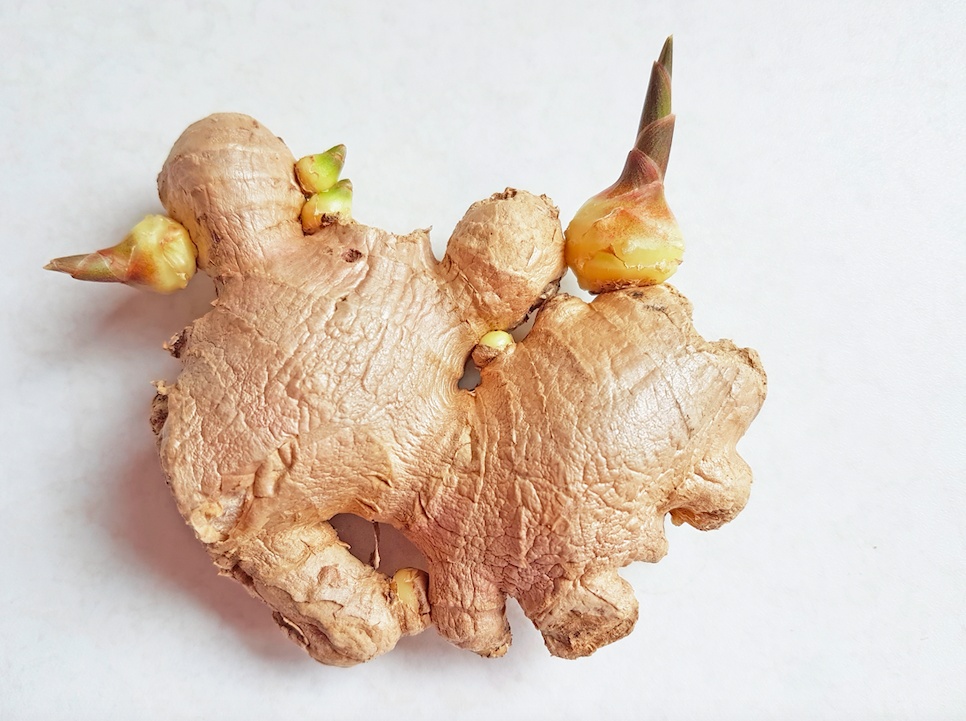
The ginger plant grows in hot, tropical regions such as China, India and Nepal, which is why it can also be grown in a warmly heated home. Growing your own ginger plant is much easier if you have an organic ginger root (choose one without too much damage) with several small knobs or “eyes” on it. The roots grow from these. The more “eyes,” the greater the chance that the root will grow. Knobs with slightly thinner and lighter skin than the root, which do not shrivel inside their own skin, are best.
In a pot
Before you plant the ginger in a pot of soil, you first need to make sure that the ginger comes back to life and that little roots start growing from the knobs. Do this by placing the root in a shallow layer of water in a warm spot. Make sure the root is always sitting in water and top it up regularly. It can take 4 to 6 weeks before you see the first little roots. So be patient!
Repotting
After a few weeks, new green shoots will grow from the ginger. At that point, you can plant the entire root—not too deep—in a pot of soil. The ginger plant will now continue to grow. To harvest your own ginger, carefully lift the green stem with the root attached, snap off a piece to use and put the rest back into the soil to continue growing.
Also read:


