


Huh: Japanese seafood banned in China?
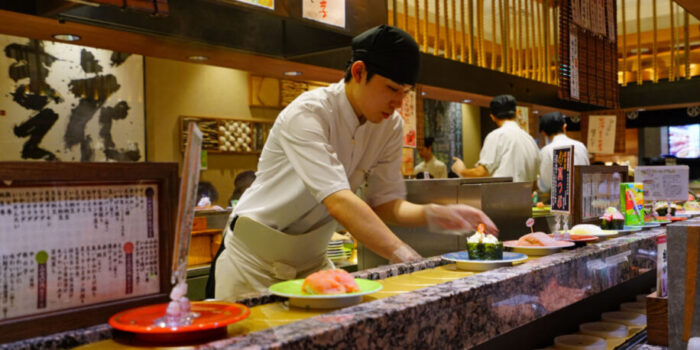
It’s the nightmare of many seafood lovers: no more sushi. What. A. Nightmare. Unfortunately, it’s the reality in China, and the country’s residents are absolutely not happy about it. Japan isn’t happy either, because this is obviously a major financial blow for the country; China imported an enormous amount of seafood. What happened, and why has Japanese seafood been banned?

‘To protect the health of the Chinese people,’ according to the government: a great deal of nuclear-contaminated water from Fukushima has ended up in the ocean, and that supposedly isn’t very good for the fish — and therefore ultimately for the people who eat the fish either.
The entire Japanese seafood sector is now in dire straits
Logically, the seafood sector in Japan is having a very hard time now that a country as large as China has suddenly pulled the plug. Because it happened rather suddenly and quickly: on August 24, the contaminated water was dumped into the ocean, and almost immediately the Chinese government decided to stop imports and impose a ban. Unfortunately, it turned out to have a kind of domino effect, as many countries followed suit.
Hong Kong adopted the ban, as did Russia, Malaysia, South Korea and Thailand. This happened at the end of August and unfolded at considerable speed, and by now we are already three months further on, with the sector in Japan facing enormous difficulties. But there seems to be light at the end of the tunnel: China is now willing to reconsider the ban, as was announced today. And while the ban is still in place, the United States has come to the rescue by buying seafood in bulk from Japan.
Addicted to sushi
In China, people can’t wait for the good news, aseafood lover tells the BBC: ‘I can’t stop eating seafood… I’m completely addicted.’
Also read:
- Do this immediately: clean the ventilation grilles in your kitchen (and here’s how to do it best)
- 5 kitchen ingredients that are also great for cleaning
- 11 of the best cleaning hacks we’ve ever seen (thanks, Grandma!)


