


I miss Piggy
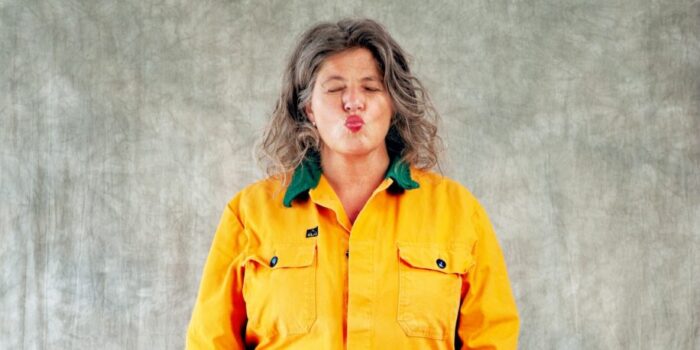
Lotje Deelman was the editor-in-chief of ELLE Eten, has been working for Allerhande for almost 15 years and worked behind the scenes on television programmes such as MasterChef, de Worsten van Babel On Tour and De Nieuwe Lekkerbek. She ate pig’s trotter with Anthony Bourdain and flirted with Gordon Ramsay in his Aston Martin. Lotje is the (co-)author of more than ten cookbooks and, in her kitchen in the Drenthe countryside, is never too timid to set something on fire. On FavorFlav, Lotje shares what is on her mind every week. This time: the wonderful world of the pig farmer.

‘Butt’ is written in felt-tip pen on the plastic bag I find in one of the corners of my freezer. Butt. I am immediately transported back a year and a half in my mind, and my arms are red and sticky with blood up to my elbows. Meat is lying all around me. The sweet, sickly smell of something freshly dead makes me slightly nauseous. Tears sting behind my eyes. On everything whose body part I really have no idea about, I write ‘butt’.
It seemed like such a romantic plan. An adventure every foodie should experience at least once, alongside creating a vegetable garden, baking the perfect macaron, eating fugu and baking an egg under your bonnet. Fattening, slaughtering and eating a pig. That’s what I’m talking about.
Landrace pigs
There ended up being two of them, and they weren’t given names. Animals you plan to kill are deliberately not given names, I learned from my aunt, where they went to live and who loves animals very much. When they arrived, they weighed twenty kilos and were almost unbearably cute. Pink with black spots, clever and funny, these rare-breed Bonte Bentheimer landrace pigs (do sea pigs actually exist too? Like sea lions, manatees and seahorses?). We acted a little tougher than we felt and avoided the subject of these spotted darlings ending up as pulled pork sandwiches in less than a year.
Vegan
I didn’t go and visit them—the nameless pigs—all that often. I found it more difficult than I had expected. At first, my aunt enthusiastically told me about them, but after a few months it was mainly about how they ate you out of house and home, rooted up the meadow several decimetres deep and couldn’t be pushed aside when you had to get past them. Ten months and more than two hundred kilos later, it was time. I couldn’t find a butcher who would come to the house (pigs experience the most stress on the way to the slaughterhouse), but they didn’t have far to go. I had arranged with the butcher that my son, as a chef in training, could be there. Part of your upbringing, if I happen to be your mother. My daughter is vegan, so she was excused.
Tie a bow around it
Because I mainly wanted large cuts—belly, shoulder, neck, spareribs—and had made a deal with the butcher to reduce the costs a little, the nameless pigs were returned to me in large plastic crates. Everything mixed together, bloody chunks, have fun with it. Identifying, labelling and freezing it all took until deep into the night. I gave away everything that didn’t fit in the freezer. At a birthday party, I shocked the other guests with a festive little package of belly, butt and breast tied with a bow. The halved heads, which kept grinning at me and whose sharp little teeth pierced through every layer of plastic, I sold to people tougher than me, such as my ex and Miljuschka.
Pork belly and cola
Name it and I made it from those pigs. The Cuban sandwich from Chef, pulled pork made from neck and shoulder, injecting, rubbing, glazing, split pea soup with pig’s trotter, sauerkraut with eisbein, pork belly in cola for ramen and spareribs prepared in countless ways. Delicious, absolutely, but the business of not giving them names isn’t entirely foolproof after all. I kept seeing them in front of me, back when they were happily dancing through the mud, the nameless pigs…


