


In Great Britain, lobster and crab may no longer be boiled alive – will the Netherlands follow?
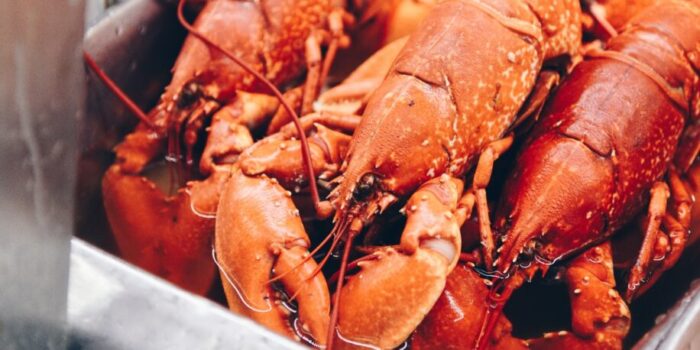
A recent study conducted by a London university shows that crabs, lobsters and octopuses are capable of feeling. Boiling the animals while they are still alive will therefore soon be banned in Great Britain. These animals have a much more complex nervous system than previously thought (although it was already clear to many people that octopuses can become your best friends after watching ‘My Octopus Teacher’ on Netflix).

In Switzerland, it has also been illegal to boil lobsters alive since 2018, but what is the situation in the Netherlands?
(Still) no ban
Boiling lobsters and/or crabs alive is still permitted here, and, for example, the Wakker Dier foundation is very dissatisfied about this. ‘We protect mammals and birds in our legislation, but not all other animals… It is actually very strange that we simply assume they have no emotional lives,’ says director Anne Hilhorst. The Dutch Society for the Protection of Animals also wants a ban on cooking animals without stunning them first.
What is pain?
According to emeritus professor of animal physiology at Radboud University Gert Flik, the concept of ‘pain’ could also be interpreted differently in these animals, although they should certainly be given the benefit of the doubt and some degree of sensitivity has therefore been proven. He puts it this way: “We experience a kick to the legs as pain; that is an interpretation of a painful stimulus. It is quite certain that this is not present in lobsters, crabs and octopuses… but do everything possible to avoid discomfort”.
Fatal stab
Luit Ezinga is chairman of the partnership Kring van de Oosterscheldekreeft, which includes thirteen Zeeland restaurants. In most of these kitchens, lobsters are first stabbed to death before being cooked; a method that Amsterdam star chef Joris Bijdendijk also recommended recently in Het Parool. According to Ezinga, the issue is genuinely being considered, and the chefs are trying to find a more or less humane method.
The Dutch Ministry of Agriculture, Nature and Fisheries says it is studying the British findings from the university in question, the London School of Economics.
Read also:
- No more live lobster for sale at Amsterdam market
- Anonymous expert reveals secrets about surimi sticks
- Omega-3 fatty acids: do they really have to come from fish oil capsules?
Source: NOS


