



Melon and ham
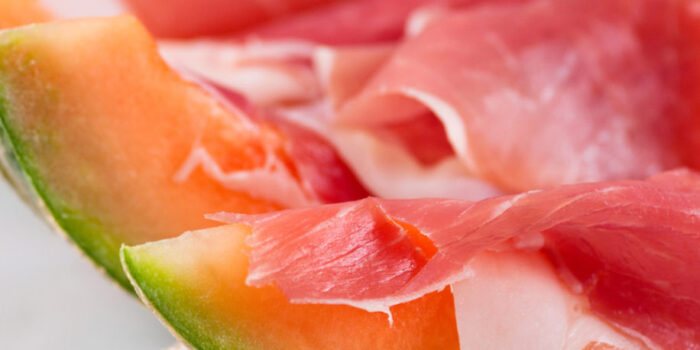
It is one of those typical ‘I’m going to barbecue in the park and bring along’ dishes: melon wrapped in cured ham. But did you know that this summery snack was also eaten centuries before Christ?

Culinary historian Charlotte Kleyn explains in Het Parool the medical (!) historical significance behind this simple starter.
Medical? Absolutely. It all began with the Greek physician Hippocrates (460 BC – 370 BC). He laid the foundation for the theory of humours or temperaments. According to him, a person’s character and health depended on the balance between four bodily fluids: blood (warm and moist), yellow bile (warm and dry), black bile (cold and dry) and phlegm (cold and moist).
Character traits
Fiery, energetic people were believed to have a predominant amount of blood and were called sanguine. The choleric type was assumed to become angry quickly as a result of an excess of yellow bile. An excess of black bile was thought to cause despondency, introversion and depression. Hence the term melancholy. Phlegmatics, people with a lot of phlegm in their bodies, were mainly calm and not very emotional.
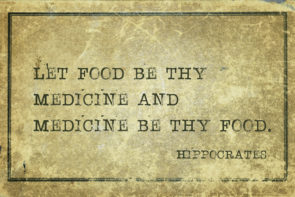
Just like the bodily fluids, according to this theory, foodstuffs could also be classified as cold, wet, warm and dry. The idea was therefore that you could influence your own balance by eating certain combinations of nutrients. Short-tempered? Then you are too ‘warm and dry’, so you should eat cold and wet food.
Melon and ham
‘Melon was considered a very dangerous fruit during the Middle Ages because it was very cold and wet. Something warm and dry therefore had to be eaten with it. Ham, cheese, wine or salt worked well. Ham and melon, then. For the same reason, pear with a mature cheese such as pecorino is a famous combination,’ writes Kleyn.
Do these ideas sound familiar to you? They might: Ayurvedic medicine has a similar classification. Kleyn: ‘According to the Persians, rice is cold; Indians consider it hot, and according to Malaysians it is neutral. So you can never get it right. Except with ham and melon. That simply has to be good for you.’ But whether FavorFlav’s Emma agrees…


