


Never put hot leftovers in the fridge, but follow these tips
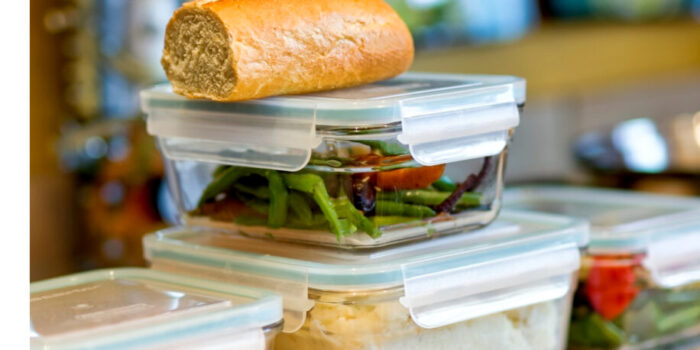
We love leftovers! Honestly, very little gets thrown away in the FavorFlav kitchens, and personally I’m capable of putting 10 leftover lentils in an airtight container in the fridge for the next day. Food waste is silly and such a shame, and it would be great if everyone saved their leftovers. But it does need to be done properly, especially when it comes to hot food…

You shouldn’t put what’s left of hot meals straight into the fridge or freezer while it’s still hot. Many people know that, but do you also know why? And did you know that there’s also a fairly specific timeframe within which you should do it?
Take good care of those around you
The reason you shouldn’t put hot food such as leftover mashed potatoes and vegetables or a delicious garlic soup in the fridge is that the temperature throughout the entire fridge then rises. This can affect other food stored there and cause bacteria to form and food to spoil more quickly.
A piece of cake
If you put hot food in the freezer, ice crystals can form on it, which may affect the taste when you reheat it later (because of the moisture that develops). The freezer also has to work extra hard to remain ice-cold, which is quite bad for the environment. So in both cases, for both the fridge and freezer, the rule is: let the food cool down properly first.
Rapidly
But it does need to cool down fairly quickly. Perishable food that takes longer than two hours to cool but still hasn’t been refrigerated also runs the risk of bacterial growth. According to the Voedingscentrum, pathogens die when you later reheat the food thoroughly, but there are also pathogens that produce toxins. Those toxins don’t disappear even when heated (the pathogens themselves do), so they can make you quite ill.
Switch gears quickly
It’s not that cooling hot food quickly in the fridge or freezer would be bad for the food itself; it would actually benefit from it, but it isn’t good for the ‘environment’ around that food. That’s why it’s better to cool leftovers as quickly as possible in another way: for example, by placing them well covered outside for a while during colder months. Or, if the food is still in a pan, place the pan in a large dish or bowl filled with ice cubes or cold water and stir the food in the pan regularly. Dividing something into smaller portions also helps if you want it to cool down more quickly, or, for ‘drier’ food such as rice or vegetables, spread it out in a single layer on a baking sheet.
Leftovers for lunch
Then transfer everything to a glass or plastic container (and you can get plastic containers properly clean with this tip), and seal it tightly. And tadaa: your lunch for tomorrow is safe and sound!
Also read:
- 10 tips for keeping your food fresh for longer
- 7 things to do if you have food poisoning
- Would you keep red meat for three weeks?


