


Recipe: how to make the favorite Chinese takeaway dish Foe Yong Hai at home

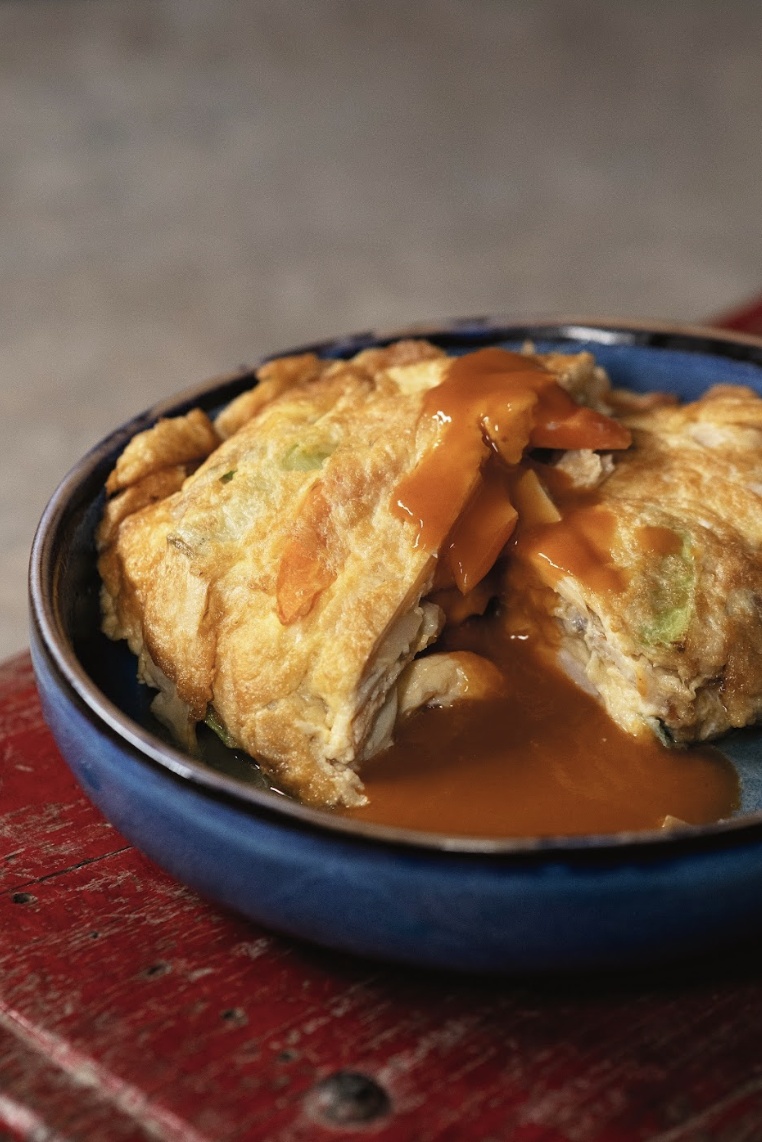
Chinese-Indonesian restaurants have been a widespread phenomenon in the Netherlands for more than seventy years. Who doesn’t have childhood memories of the local Chinese restaurant? In the Chin. Ind. Rest. cookbook, all the classic recipes from the Chinese-Indonesian restaurant Fook Sing in Amsterdam have been recorded, including this foe yong hai, which, together with babi pangang and tjap tjoy, belongs to the top three classics on the Chin. Ind. menu.

Foe yong hai is an omelet with vegetables and chicken served with a sweet-and-sour sauce. The dish originally comes from the Canton region and is traditionally served with ‘crab’ (‘hai’ in Chinese). To make a good foe yong hai, it is important that your ingredients are precooked and thoroughly dried. This means you do not have to cook your egg for too long, so it remains juicy and soft inside and you do not end up with a watery omelet.
‘Dutchified’ technique
Papa Lee learned to make the iconic foe-yong-hai sauce in the Netherlands. A roux is used to thicken the sauce, a technique you do not often see in China. This is a typical example of a ‘Dutchified’ technique.
How to make the Foe yong hai
- Soak the chicken in a bowl of cold water for 10 minutes and rinse well. Cut the fillet in half lengthwise so the slices will be shorter. Cut the meat diagonally into ½-centimeter slices. If necessary, cut wide pieces (from the thick part of the fillet) in half once more.
- Make a marinade by mixing the stock powder, baking soda, cornstarch, salt, egg and 50 milliliters of water in a bowl. Add the chicken and mix until the chicken has absorbed all the marinade. Then cover the marinated chicken with 4 tablespoons of neutral oil and leave to marinate, covered, in the refrigerator for at least 30 minutes.
- Take the chicken out of the refrigerator 30 minutes before using it to bring it to room temperature, and mix well so the oil is evenly distributed. Heat a generous layer of oil in a wok and fry the chicken for 30 seconds to 1 minute, or until the meat is completely seared. Scoop the chicken out of the oil and let it drain on a wire rack until you are ready to use it.
- Mix all the ingredients, except the oil and foe-yong-hai sauce, in a bowl.
- Heat the oil in a wok until it begins to smoke lightly. Pour the mixture into the pan and reduce the heat to medium. The edges of the omelet will set first; keep ‘pushing’ them toward the center until everything is largely set, but remember: an omelet that is slightly less set is preferable to one that is completely set. Fold the omelet in half and fry for 1½ minutes per side over medium-low heat.
- Meanwhile, heat the foe-yong-hai sauce in a small saucepan.
- Transfer the omelet to a serving plate and generously pour the sauce over it.
How to make the Foe yong hai sauce
- Heat 1 tablespoon of oil in a pan over medium-high heat and fry the onion for about 6 minutes until soft and slightly browned. Put the onion, celery, tomato, carrot, lemon and 1 liter of water in a pan and bring to a boil. Cover the pan and let the stock gently infuse for about 15 minutes. Strain into a bowl and return to the pan together with the vinegar, tomato paste, salt, sugar and ketchup. Stir until everything is well combined and bring to a boil.
- Meanwhile, make the roux by melting the butter in a second pan. Add the flour and keep stirring until the flour changes color slightly and becomes dry. Add the roux to the stock (not the other way around!), turn off the heat and keep stirring until a thickened sauce forms. Divide the sauce among sterilized jars, let cool and store in the refrigerator for up to 1 week.
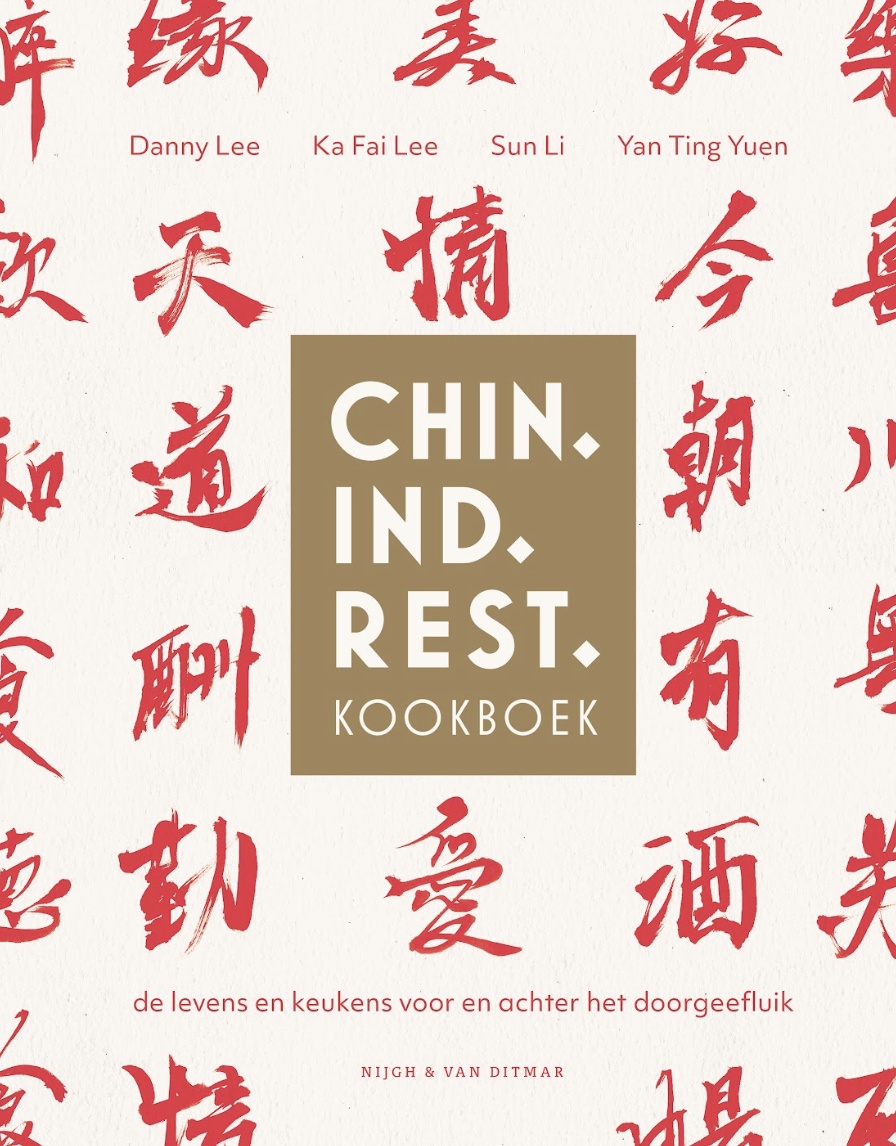
Title: Chin. Ind. Rest.
Author: Danny Lee, Ka Fai Lee, Sun Li & Yan Ting Yuen
Price: €38,99
Publisher: Nijgh & Van Ditmar
Read also:
- The best-kept secret of Chinese cuisine
- This is the difference between Japanese and Chinese tofu
- I tried Chinese imitation duck from a can


