



Replacing sugar when baking? Well…
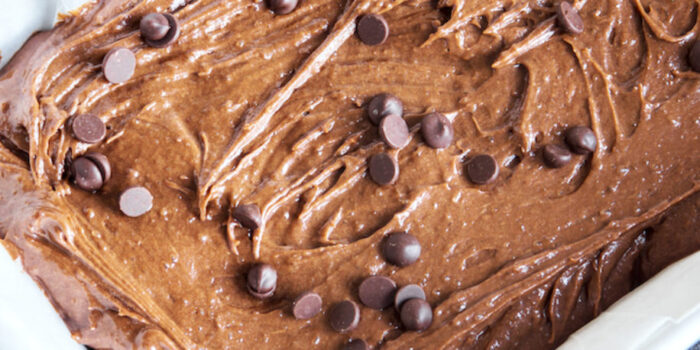
In an ideal world, we could bake our hearts out and eat cake all day long until we weighed an ounce – yes, really, because in that world sugar wouldn’t be bad for you at all and you could consume it like water. But then again, we live here, and many people want to know whether you can easily replace sugar in sweet baked goods with something else. Baking with sugar substitutes such as stevia and aspartame is technically possible, but it’s also a hassle because you have to adjust quite a few things, and it doesn’t necessarily improve the flavour. What about other substitutes, such as fruit or fruit juice?

First of all, it’s important to know that sugar in cake, cookies, sponge cake and whatever else usually isn’t there solely for its sweetness. It also has a major effect on the moisture, texture, shelf life and caramelisation in and of the end result, just as the other ingredients do. Nicola Lamb of the British newspaper The Guardian did a little experiment and baked three simple sponge cakes as a test: one with the ‘normal’ stated amount of sugar, one with half the amount of sugar and one without sugar. And the result?
Pitiful without sugar
Compared with the ’normal’ cake, the cake without sugar was very compact, pale and dry. “People would still believe it was a cake, but not a nice one.” The one with half the sugar was also compact, but softer and tasted “okay”. So yes, you can certainly reduce the amount of sugar in this kind of cake, but you have to accept the deal that the flavour and texture won’t be the same.
Fruit feast
Various bakers point out that replacing sugar with, for example, fruit requires some experimentation before you arrive at a result that meets your approval. You can start by adding fruit (or vegetables, such as beetroot, courgette or carrot) to quick breads, cakes, the most delicious brownies and muffins; all things you want to keep moist and fudgy, and leave out a small portion of the sugar for that purpose (not all of it). Practise with a little more fruit and a little less sugar each time, until you find your sweet spot.
Add some juice
According to American baker Joanne Chang, you can also make a reduction or syrup from fruit juice. For example, simmer 335 ml of apple juice and the juice from a drained 225 g tin of pineapple for about twenty minutes, until you have 180 ml left. Mix that into the wet ingredients, and then leave out some of the sugar you would otherwise use. Once again: it’s all about experimenting. In any case, you can almost never leave something out of a recipe without throwing the balance off to some extent. If you can live with that, nothing is stopping you from getting to work practising!
Or you could simply look for balance in a different way: every once in a while, enjoy your favourite sweet treat with all the sugar it’s meant to contain, and on another day, take Lamb’s advice and have, for example, “the best mascarpone you can find with some soft fruit from the oven for dessert”…
Also read:
- Hard, lumpy brown sugar? Here’s how to soften it again
- How manufacturers hide sugar in our food
- Know your sugar
Source: The Guardian


