



Shocking: are avocados actually vegan?
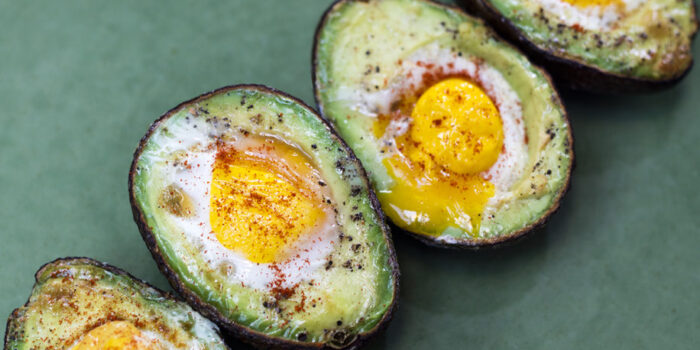
Estimate by the Dutch Association of Vegans: around 121,000 people in the Netherlands eat a vegan diet. No meat, no fish, no dairy or eggs, so they have to rely on avocado, almonds and pumpkin. Say goodbye to your avo toast, because these foods turn out not to be vegan either.

How does that work? To grow avocados, bees are needed. They simply fly around, but on large avocado plantations, wild bees cannot possibly pollinate all those avocado plants. Beehives are then collected from a beekeeper and placed on the plantation. And once those bees have finished working, they are taken to the next plantation. Unnatural use of bees, say strict vegans. And because honey is not vegan either, avocados should not get a green tick.
Not practically feasible
It gets even worse, because the same applies to pumpkins, cucumbers, peppers, tomatoes, almonds and lots of fruit… How do vegans view this? The website of the Dutch Association of Vegans has a wiki, an online database of vegan products. Products containing avocado are simply counted as vegan there. Vegan Food and Living, an American website about a vegan lifestyle, says it is impossible to keep track of whether fruit and vegetables were pollinated by wild bees or commercial bees. It has to remain practically feasible, says spokesperson Matt Turner of The Vegan Society.
Environmentally friendly little creatures
Small consolation: by eating plant-based, vegans do remain the most environmentally friendly bunch. Although growing avocados uses a lot of water and avocados also have to travel some food miles because they do not grow in the backyard, it is still much better than a steak, he says.
Also read:
- The biggest misconceptions about vegan food
- Recipe: a seriously delicious lemon cake (and it’s vegan too)
- Don’t throw away your avocado pit—grate it


