



Slow Food: why eating slowly is the future
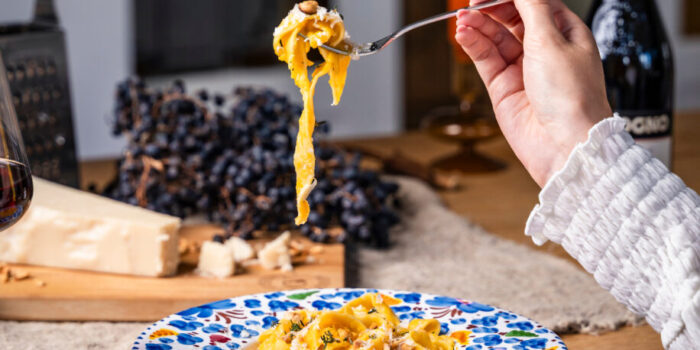
In a world where we all want to eat faster, easier and more cheaply, one movement is stubbornly putting on the brakes: Slow Food. And quite rightly so, because slow food – or, more accurately, food made with time, attention and respect – turns out to be not only tastier, but also crucial to our future.

What began as an Italian protest against a planned McDonald’s at the foot of Rome’s Spanish Steps – a symbol of fast food in a place steeped in culture -, grew into a global movement in more than 160 countries. All thanks to journalist Carlo Petrini. He warned that flavour, tradition and craftsmanship were disappearing and founded ‘Slow Food’, a plea for food that tastes good, is produced cleanly and is paid for fairly.
Take it slow
The iconic snail logo says it all: take it slow. Slow Food is about buono, pulito e giusto – good, clean and fair food. Because if something is clean and fair but not tasty? It will still end up in the bin. Today, Slow Food brings together farmers, chefs, fishers, scientists, entrepreneurs and consumers. The goal? To protect biodiversity, save local flavours from extinction and make the food system fairer and more transparent.
From fast to fair
Fast food is quick, anonymous and often surprisingly expensive when you consider the real costs: depletion of raw materials, monoculture, long supply chains and low quality. Slow Food offers a different system in response: fresh, local, seasonal, artisanal and made with care.
And no, it really doesn’t have to be complicated. From a simple pasta with good olive oil to vegetables from the farmer around the corner: Slow Food shows that making better choices often simply means eating more deliciously.
The Ark of Taste: a global lifeboat for endangered products
One of the most beautiful projects within Slow Food is the Ark of Taste. Just as Noah saved animals, Slow Food saves unique products from oblivion.
The Ark contains 6,397 products worldwide, and more than 100 have now been included in the Netherlands. Think of:
Barnevelder chicken
Amsterdam ossenworst
Boeren Goudse Oplegkaas
Champagne-red rhubarb
Zeeuwse Oosterschelde salt
Small producers
All products with culture, history and terroir (simply put: a good location and soil), often originating from small producers who keep the flavour of well-produced food alive. At Gastrovino, a delicatessen chain with 33 locations spread across the Netherlands, you’ll find many of these Slow Food products: cheeses, cold cuts, wine, olive oil and more.
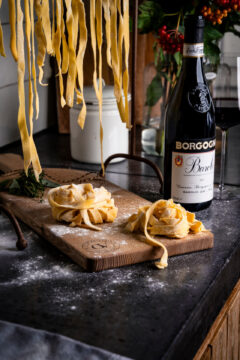
A piece of cheese from Piedmont, a bottle of Barolo, a plate of fresh pasta; and taking your time to enjoy it, wonderful, right?
Protection in action: Presidia & the Chefs’ Alliance
Slow Food is not limited to inspiration: it also takes action. The Presidia are local networks of producers that protect traditional varieties, crafts and ecosystems. By combining traditional techniques with modern marketing and education, they are building food chains fit for the future.
With more than 500 Presidia and 13,000 producers worldwide, this is one of the most powerful forces behind truly fair food.
There is also the Chefs’ Alliance, with more than 1,100 chefs who source locally, work with Presidia products and bring the farmers’ stories to life on their menus.
Slow Food events: from cheese to wine
Slow Food’s calendar is one big celebration for foodies, with numerous events such as Slow Fish, Slow Meat, Slow Cheese, Slow Wine and Slow Beer. The annual calendar of the Slow Food movement is packed with events and gatherings promoting good, clean and fair food.
Salone del Gusto
But the biggest is Salone del Gusto in Turin, where hundreds of thousands of visitors come together to taste, learn and celebrate the fact that good food is allowed to take time. Arjan Rosendaal, director of the Gastrovino wine and delicatessen brand, also notices that this is becoming increasingly popular. “People are massively turning away from rushed, anonymous food; they’re looking for something meaningful: tables where you want to linger and good products with a story.”
Young generation: students with taste
Slow Food is also looking ahead. In 2004, Petrini founded the University of Gastronomic Sciences (UNISG) in Pollenzo, Piedmont. Here, students are trained to become gastronomic innovators: scientists, chefs, policymakers and storytellers who truly understand food.
And it doesn’t happen only in lecture halls. The campus houses the impressive Banca del Vino, a wine cellar with more than 100,000 bottles from every Italian region. I was there a few months ago and can say: a wonderful place for wine lovers to wander around and taste all kinds of things.
But slowly, okay, one sip at a time…
Read also:
- 11 ridiculous restaurant orders that really happened
- This Loetje deal at Albert Heijn is going viral – and we understand why
- Real life: I’d rather date a miser than a vegan


