



Step by step to the perfect risotto
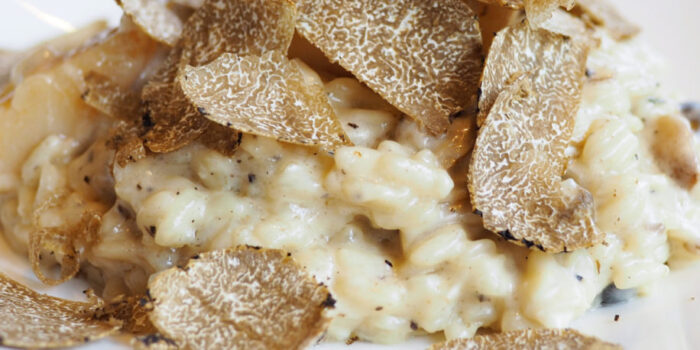
Making a truly good risotto is harder than it seems. Of course, if you cook rice in stock, the end result is almost always edible. But we’re not satisfied with a thick substance with cubes of courgette mixed through it. Follow these steps for perfect risotto.

It’s not for nothing that it’s called ‘the death dish’ on MasterChef; every candidate who makes risotto can go straight home. There are a few things involved that are difficult and that few people get right. You will from now on, at least!
Step by step to the perfect risotto
First of all, a good risotto spreads across the plate. The consistency is almost soupy and not cooked completely dry. Does the risotto remain in a stiff lump on your plate? Then something has gone wrong. In addition, risotto, like pasta, should be cooked al dente. This means that the rice still has a little bite and hasn’t been cooked completely soft.
Perfection in simplicity
Simplicity is the key word in Italian cuisine. Do you want to add extra ingredients? Do so sparingly: the risotto rice is the star, not the other ingredients. Add any extras at the very last moment, when the risotto is already completely cooked. Something like spinach can be stirred through raw; cook mushrooms or peas in a separate pan before adding them to the rice.
The rice
It starts with choosing the rice. Risotto rice has a round grain and contains exactly the right amount of starch to create a creamy risotto. Arborio is the best-known and most widely available variety. You can get it at any supermarket, so there’s no need to travel to an Italian delicatessen. Unless you’re looking for carnaroli, which is actually my favourite rice for risotto, although I usually settle for arborio.
The stock
Risotto is a simple dish with few ingredients, which is why it’s important that all the ingredients are of the best quality. I understand if, unlike me, you don’t normally have homemade chicken stock in the freezer. But butchers often sell good stock too. Much better than those supermarket stock cubes—you can really taste the difference.
Heat the stock in a pan that you leave on the stove over low heat. If you pour cold stock into the hot pan, you interrupt the cooking process and everything has to heat up again. Assume that you’ll need approximately four times as much stock as rice.
The pan
Choose a low-sided pan with a large surface area and a thick base. This way, all the grains receive the same amount of heat and cook evenly.
Chopping
For extra flavour, risotto always includes an onion or shallot. Chop it finely into brunoise (very small cubes), about the same size as the rice grain. That way, you won’t be chewing on pieces of onion later; the ingredient practically disappears into the dish. Fry the onion until translucent before adding the rice.
Toasting
By frying the rice for a few minutes in butter and oil before adding the stock, you develop a toasted, nutty flavour. However, this changes the structure—especially the starch—of the rice, making the final result less creamy. Risotto gets its creaminess from the starch in the rice, which is released during cooking.
Solution: put the rice in a bowl with cold stock. Stir the rice well and drain. Keep the drained stock. Then toast the rice for a few minutes. This puts some of the starch into the stock, giving you both the toasted, nutty flavour and the creaminess you’re looking for during cooking.
Low and slow
After a few minutes, deglaze the toasted rice with a splash of white wine. Let it reduce, then add the stock little by little. Always wait until all the liquid has been absorbed before adding another splash of stock. This requires patience, but ultimately ensures evenly cooked, creamy risotto.
The risotto should simmer gently rather than cook too vigorously, but if you set the heat too low, the rice will never cook. It’s best to keep the heat at a medium setting.
Stir gently
Stirring ensures that the rice doesn’t burn and gives it a creamy texture by releasing starch. But if you stir too much, you’ll break up the rice. Stirring also introduces air into the risotto, which cools it down and makes everything take even longer. Stir enough, but give your arm a rest from time to time too.
Al dente
We’ve already touched on it, but perfect risotto is al dente. Start tasting after about twelve minutes. If you think the rice is almost ready but still just short of done, turn off the heat and add one final spoonful of stock, along with a knob of butter and plenty of Parmesan cheese.
I now always put the lid on the pan and let everything stand for another minute or two. This makes it even creamier and silkier, so that it falls perfectly onto your plate. Italians describe the texture of risotto as la onda: a wave slowly washing onto the shore. Aim for this effect on the plate too.
Mangia subito
Serve the risotto immediately. If risotto sits for too long, the starch becomes harder and you lose the creamy texture you worked so hard to achieve. Eat it right away! Or as the Italians would say: mangia subito.
Hungry?
Put your newly acquired skills to use with this saffron risotto, optionally with ossobuco by Anthony Bourdain. A classic combination. Have leftovers? Turn them into arancini the next day.
Read also:


