



The bee is not happy with us, and that is something we should be worried about
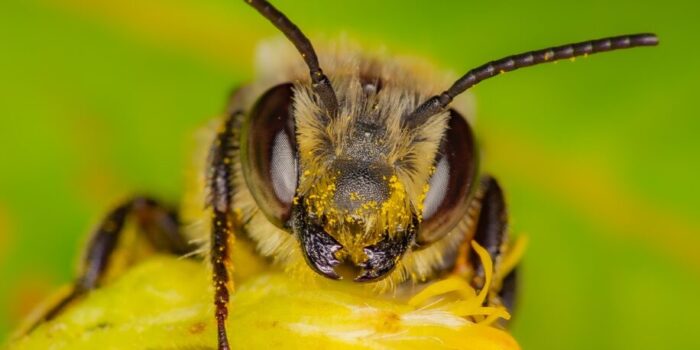
Although the bee is one of the most useful insects, many people are terrified when one of these little creatures flies around their head. But next time, wait a moment before chasing those little rascals away. We really need them, and they are not doing well. In fact, it is time for action.

No, you do not need to worry about your cup of mint tea with honey; honeybees are not in trouble. The problem lies in growing tomatoes, apples and raspberries, among other crops. Wild bees play an important role in this.
Wild bee versus honeybee
In the Netherlands, we have more than 360 species of bees. The area where a wild bee looks for food is often not very large, whereas honeybees can fly several kilometres for a flower or plant. The most important difference between honeybees and wild bees is the way they pollinate. When bees drink nectar from a plant, pollen remains on the bee. This happens in different ways: in honeybees, it sticks to their legs; a bumblebee shakes the plant, causing pollen to cover its body; and in other bees, it sticks to their bellies. The way in which they need to be pollinated for optimal growth differs from plant species to plant species. It is therefore important that we have as many different bees around us as possible!
Stop the hobby beekeeper
Unfortunately, bees are not doing well: the number of bees has declined drastically over the past 50 years. More than half of all bee species are on the red list and are seriously threatened. There are various causes, such as urbanisation and large-scale agriculture, in which many pesticides are used. But the desire for neat gardens and verges also plays a role. Frequent mowing means that a lot of food for bees disappears. And there is also a threat from an unexpected source: the aforementioned honeybee. Many (hobby) beekeepers keep thousands of bees, and these honeybees eat all the food in the surrounding area. Because wild bees occur in much smaller numbers, too little food remains for them and they can no longer pollinate. When you consider that around eighty per cent of the plants we eat depend on bees for pollination, you will not be happy either…
Save the bee
Now that you know how badly the bees are doing, you will naturally want to help. It can be very simple: for example, place a bee hotel in your garden or leave pruning waste lying around. Planting native species also helps. The dandelion is perfect, as most species of wild bees are attracted to it. What should you definitely not do? Pave your garden…
Also read:


