



The four elements of good cooking
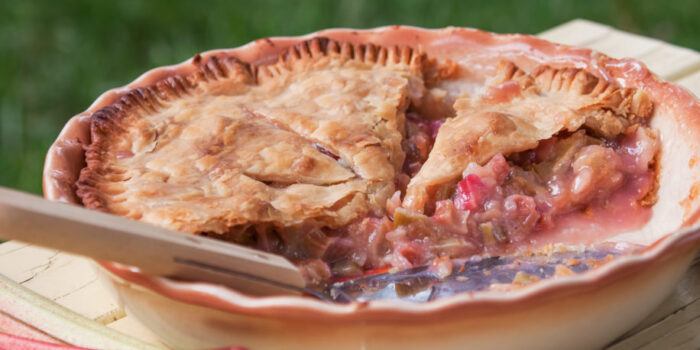
Why can’t you ever seem to make that perfect pie dough? And why is the vinaigrette at your favorite restaurant always tastier than when you make dressing at home? In the book Salt, Fat, Acid, Heat: The Four Elements of Good Cooking, Samin Nosrat explains it all in meticulous detail.

Samin comes from a Persian family in which food always played a major role. When she starts working in the kitchen of the prestigious Chez Panisse in Berkeley, she discovers why the cucumbers on the beach used to taste so good: because of the salty layer the sea left on her lips. And that acidity does not always mean your whole face puckers when you take a bite, but instead provides balance in every dish. While working in a professional kitchen, she discovers that once you have mastered salt, fat, acid and heat, you can cook anything.
Looking for a delicious Indonesian dish?
Flaky pie dough or crumbly shortbread?
This is not your standard cookbook. The book begins with an extensive explanation of each element. What types of salt are there? Why do you salt a steak a day in advance, but fish only 30 minutes beforehand? At what point in the cooking process should you add salt, and why is salt also important in desserts? How does mayonnaise emulsify when you whisk it? How can you use fat for flaky pie dough or, instead, for a crumbly piece of shortbread?
Only once you understand that you can give your dish the perfect balance with acidity—whether using vinegar or lemon juice, or yogurt, crème fraîche, tomato or wine—and understand the difference between poaching, simmering and boiling, can you get started with the recipes. Sometimes these are written-out recipes as you are used to. For example, there are various salsas that you can add to your dish for extra acidity. Sometimes it is a table of tips for the ideal salad, offering suggestions for the salty, fatty, acidic, crunchy and umami elements of the ultimate bite.
Illustrations
You will not find any photos in the book, but there are plenty of fun illustrations. Samin wants you to get started with her recipes and tips yourself, and according to her, there is no ideal way for a dish to look. As long as you understand that the right heat is very important when making cacio e pepe, in which the cheese provides the salt and fat.
Confidence
Samin teaches you that tasting is the most important part of cooking. Does it need more salt or acidity, or perhaps some sugar to balance the acidity? Does your fish need another moment in the hot pan for that perfectly crispy skin, and should you use butter or olive oil for it? Making good decisions is essential to cooking well, Samin explains, and that is exactly what she teaches you. This book gives you the confidence to step into the kitchen and makes everyone a better cook. Whether you are just starting out or have been holding a wooden spoon in your hand as standard practice for years.

Title: Salt, Fat, Acid, Heat: The Four Elements of Good Cooking
Author: Samin Nostrat
Publisher: Unieboek Spectrum
Price: €35,-


