



Everything you want to know about bacon
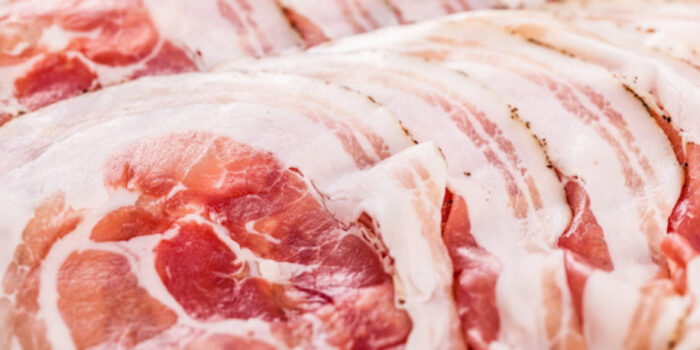
Perfectly crisped, crunchy, juicy and salty: bacon gives many recipes such as these brioche sugar-loaf French toast or bacon jam the ultimate bite and flavor. But when do you use which type of bacon? These are the differences between the eight types of bacon you encounter most often:

Fatback
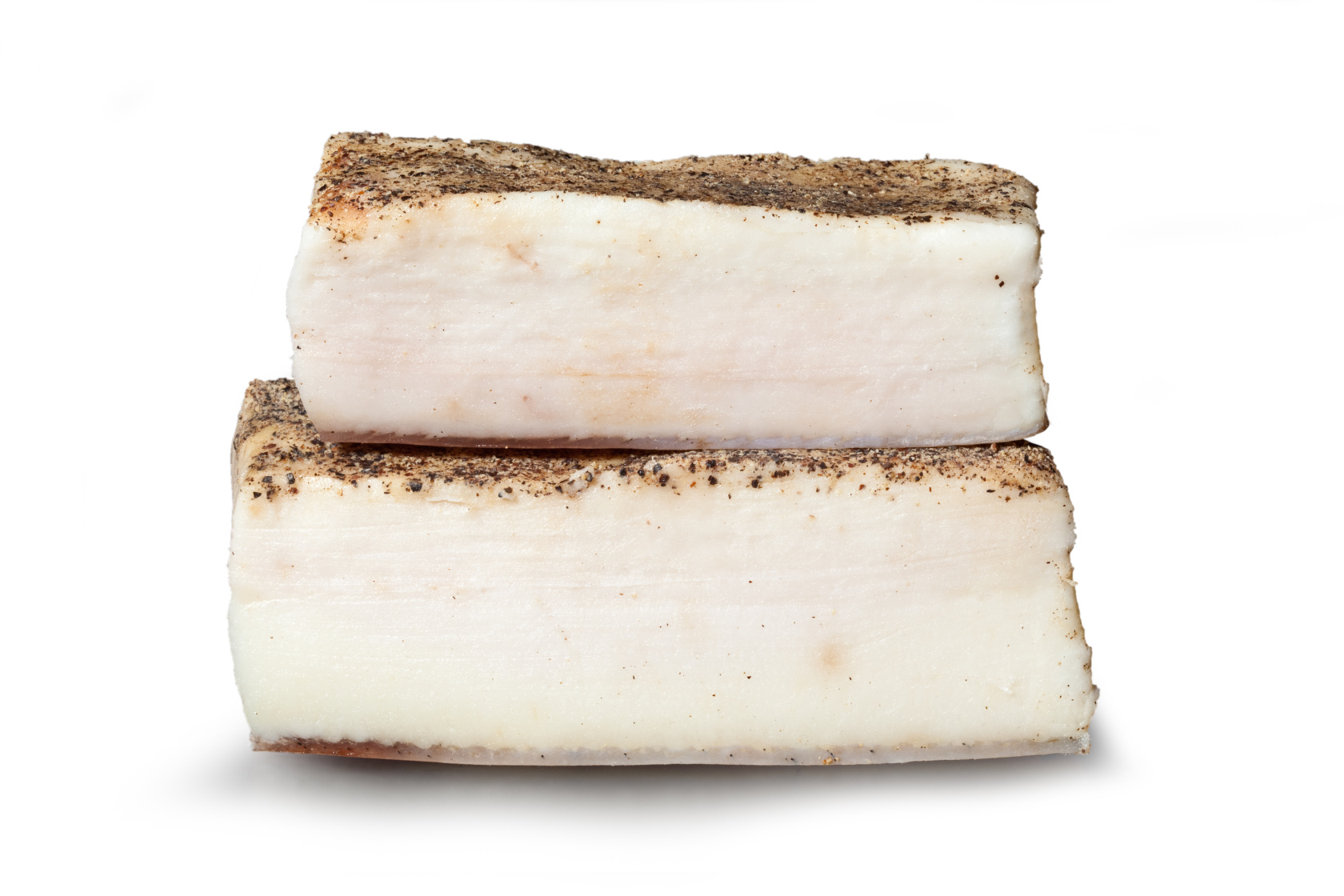
Fatback is bacon from the back of the pig with very little meat and mostly a whole lot of bacon—in other words: fat. That is why fatback is almost completely white. You usually buy fatback in one large piece, fresh and salted. The Italian variety of fatback, which may sound familiar, is lardo. You can melt lardo or fatback in a pan and, for example, fry potatoes or vegetables in it. Italians also eat lardo in wafer-thin slices on warm toast, so the fat melts a little—delicious!
Jowl bacon
Jowl bacon is bacon that hangs beneath a pig’s chin. It contains quite a lot of fat, but is also one-third meat. This makes this type of bacon leaner than fatback or lardo. You will not easily find jowl bacon in the supermarket, but sometimes you can get it from the butcher. It is usually cured and smoked. In the past, jowl bacon was used as an alternative to bacon lardons. Nowadays it is mainly used in sausage, because the juices do not run out of the bacon, giving the sausage a pleasing texture.
Bacon
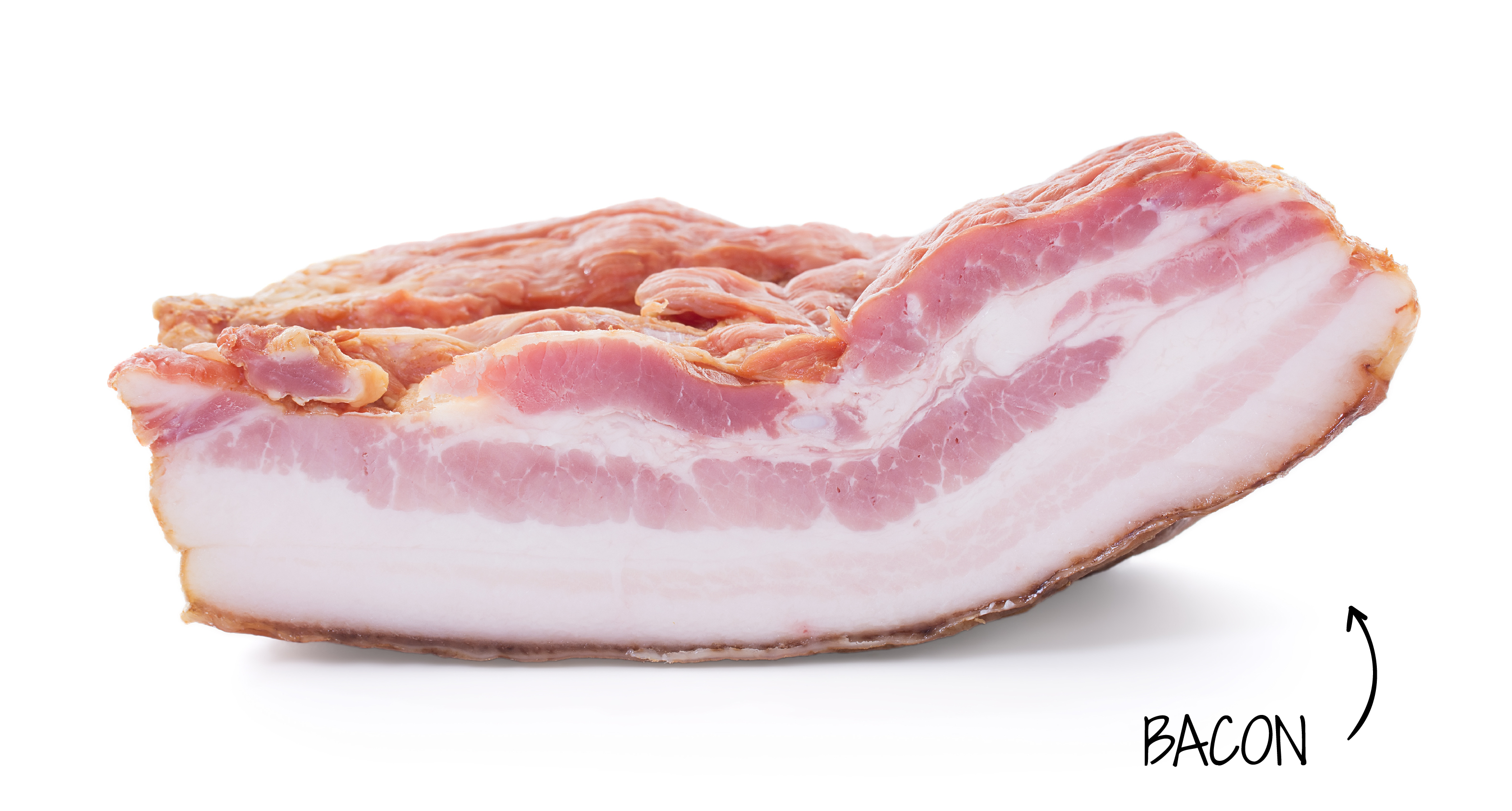
Bacon is made from back bacon, from the rib loin. It is salted and then left submerged in that brine for a while. After that, the bacon is dried for a few days and is sometimes also smoked and briefly pre-cooked. Because bacon comes from the back of the pig, the main difference from breakfast bacon is that it contains less fat. How bacon tastes mainly depends on which type of wood it was smoked over.
Pancetta
Pancetta is Italian salted and dried pork belly, seasoned before smoking with, among other things, pepper, salt, cloves and nutmeg. The bacon is quite fatty, and just a little adds more depth to your dish. Perfect for making that killer tomato sauce even tastier. You can buy this Italian bacon in slices, but you can often also choose a piece, either rolled (pancetta arrotolata) or flat (pancetta stesa).
Guanciale
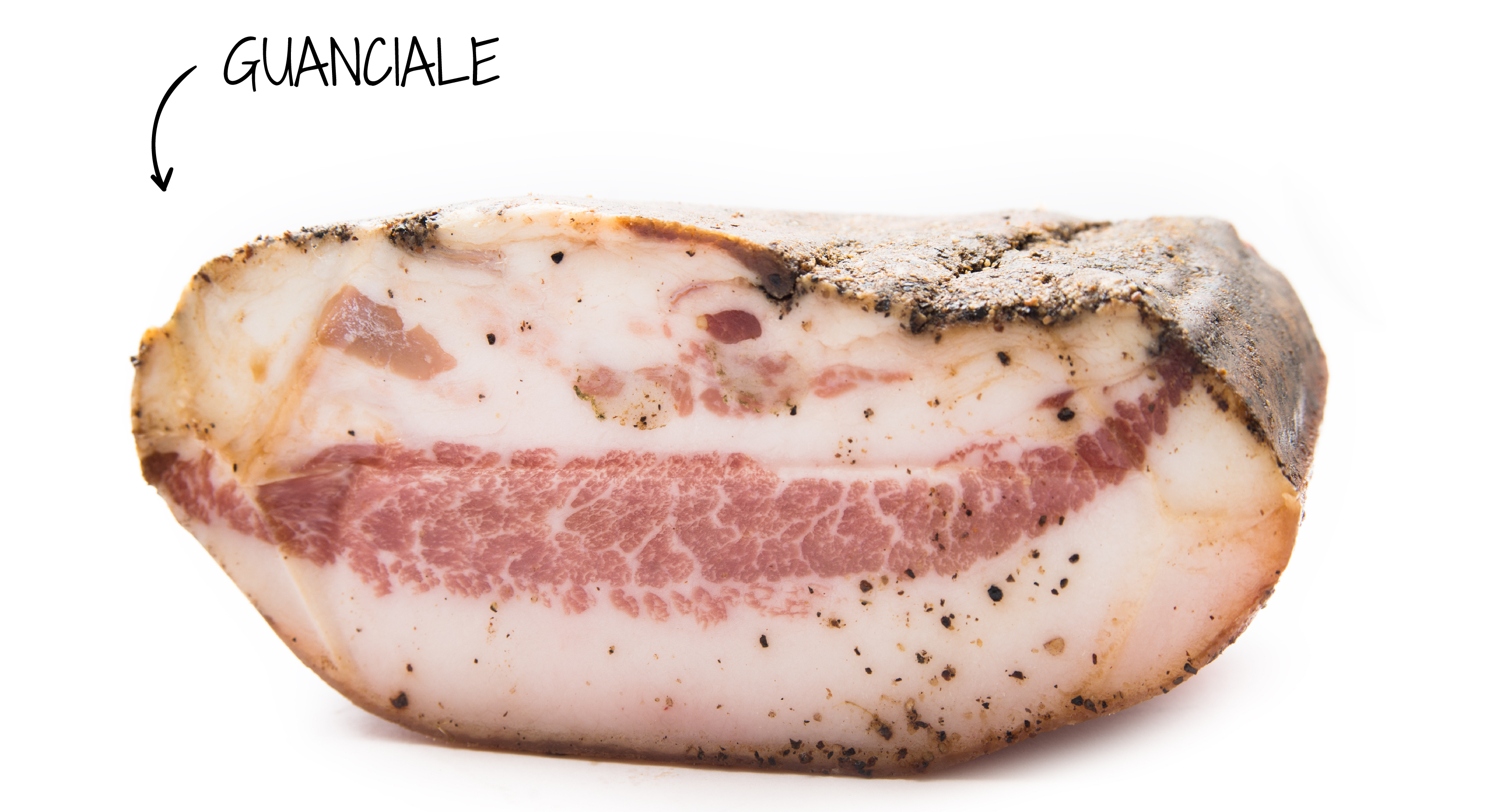
Guanciale is Italian cheek bacon from the pig’s jowl. It is not smoked, which is why its flavor is somewhat less intense than pancetta. It is rubbed with salt and black pepper and then dried for about three weeks. You do not eat guanciale on its own, but use it for a truly authentic spaghetti carbonara, Italian-style.
Breakfast bacon
As mentioned earlier, bacon comes from a pig’s back, while breakfast bacon comes from the belly, so these two types of bacon are definitely not the same, as is sometimes thought. Breakfast bacon comes from the belly, which means the meat is streaked with fat. In the supermarket, you will usually find breakfast bacon in thin, oblong or round slices. You can fry breakfast bacon with a perfectly fried egg or, of course, on a classic pancake with cheese and bacon!
Katenspek
Katenspek is typically German. It is boiled and then very hot-smoked pork belly, with plenty of flavor because mustard, pepper, cinnamon and garlic are added, and it is coated with caramel and sugar before smoking. Katenspek is mainly used in dishes such as split pea soup and sauerkraut, but you can also eat it in slices, for example on rye bread.
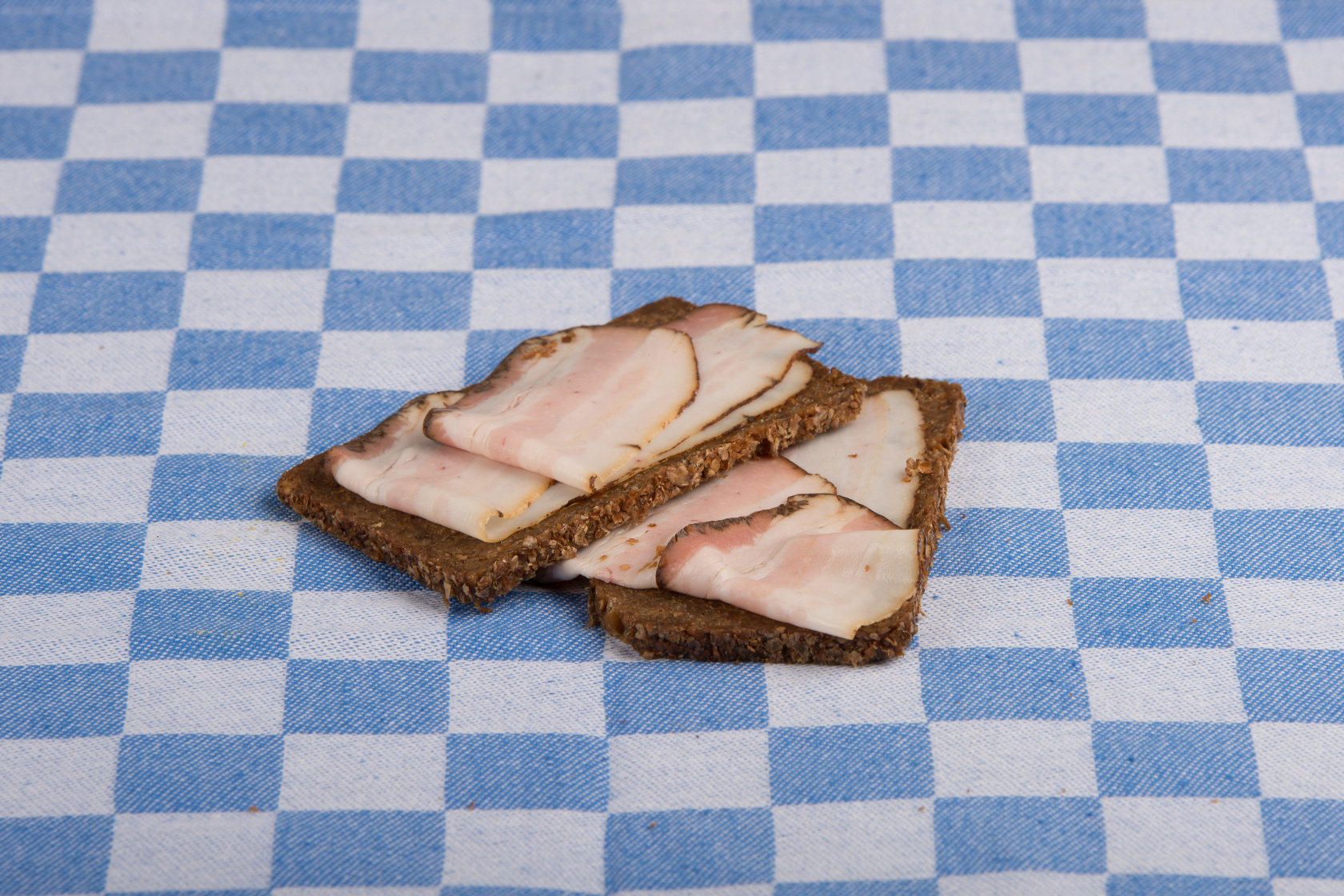
Zeeland bacon
Zeeland bacon is also pork belly, which after curing is often generously seasoned with pepper, kecap manis, curry and paprika. You can buy Zeeland bacon in one large piece from the butcher, and it is perfect for this ultimate super-crispy pork belly from the oven.
Also read:


