


The ultimate onion guide

Onions come in all kinds of shapes, sizes and colors. But what if your recipe calls for a red onion and you only have white onions at home? Are they interchangeable, or is the flavor really that different? And what about the difference between a bunching onion and a spring onion? With this onion guide, you’ll know once and for all which onion you have in your hand and which dishes it’s best used for.

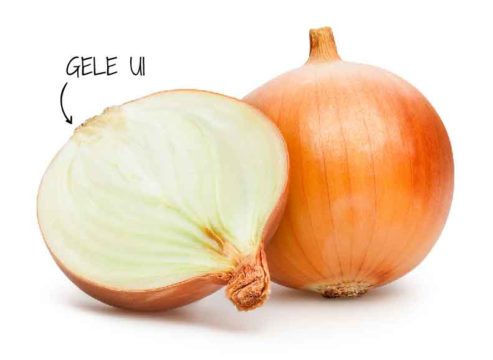
Yellow onion
The yellow onion is the best-known of the bunch and also the most widely used. This onion has light brown skin and is white inside. Texture: firm, with a flavor that’s sharp yet sweet. Frying it makes this onion taste less sharp. Yellow onions are best used in dishes with meat and poultry, and as a base for sauces, soups and stews. Also delicious: caramelized onion.
Sweet onion
The sweet onion comes from South America and looks exactly like a yellow onion. But its flavor is much milder and sweeter. The layers are thick, making them ideal for cutting into large rings for a hamburger or for deep-frying. This onion also works beautifully in French onion soup and gratins.
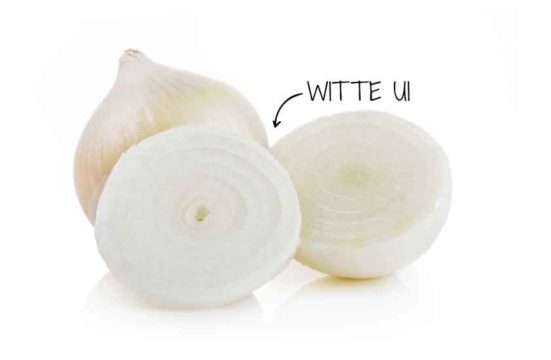
White onion
The white onion isn’t very well known in Dutch cuisine. It’s somewhat larger, white both inside and out. Its flavor is sharper and less sweet than that of a yellow onion, making it suitable for dishes where the onion is meant to take center stage. The white onion is extra crispy because it contains more moisture. Add white onion to your salsas and sauces for a delicious bite.
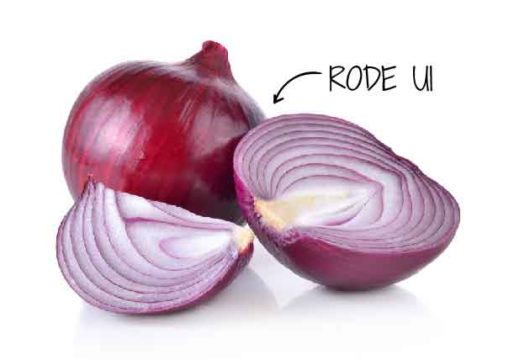
Red onion
The red onion is mildly sweet, has a sharp flavor and a slightly bitter aftertaste. As the name suggests, it’s red on the outside; inside, it’s white with red. This onion is the most beautiful when pickled—it takes on a gorgeous pink color. Red onions make you cry less while cutting than other varieties. They’re also best eaten raw. So use red onion in guacamole, in a salad or on a hamburger.
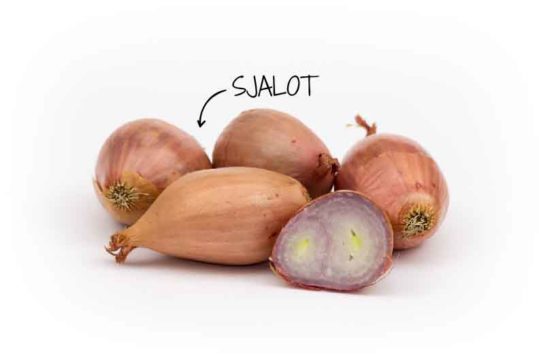
Shallot
Shallots grow in clusters, just like garlic. That’s also why their shape resembles garlic more than onions. In terms of flavor, shallots are somewhat similar to red onions. They’re wonderfully sharp and peppery, and your eyes will notice that while you’re cutting them. They’re ideal for use in a vinaigrette, sauces, quiches or with sliced vegetables. You can replace onions with shallots, as long as you follow this rule!
Bunching onion
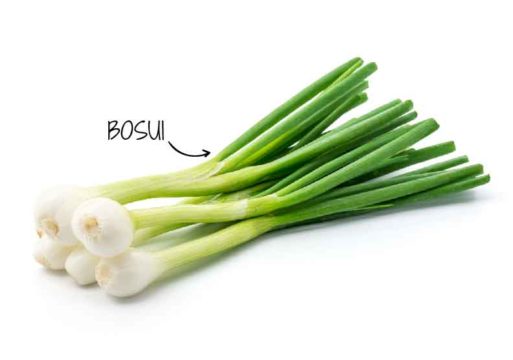
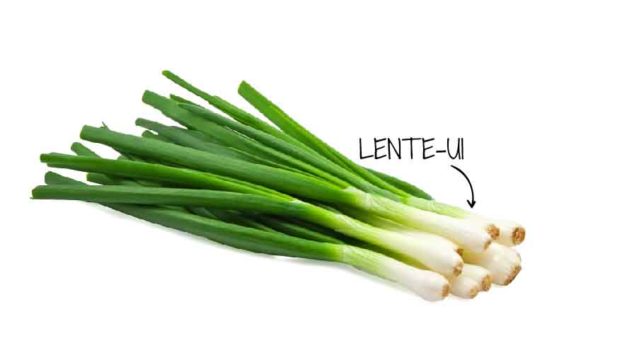
Bunching onions have a mild, sweet flavor, and their stalk makes them slightly reminiscent of leeks. You buy bunching onions in bunches, which is also where they get their name. They’re a young, still immature type of onion. Don’t confuse bunching onions with spring onions. You won’t be the only one—supermarkets often sell them under the wrong name too.
Spring onion
Spring onions are actually young bunching onions: they’re harvested from the ground earlier. They resemble thin leeks. Despite the thickening at the bottom, they aren’t technically real onions. The flavor of a spring onion is mild and subtle, and closer to a leek than an onion. Thinly sliced rings are delicious raw as a garnish, but they’re also suitable for hot dishes. For example, try making these delicious spring onion pancakes.
Read also:


