



These are the 14 best foods for good circulation
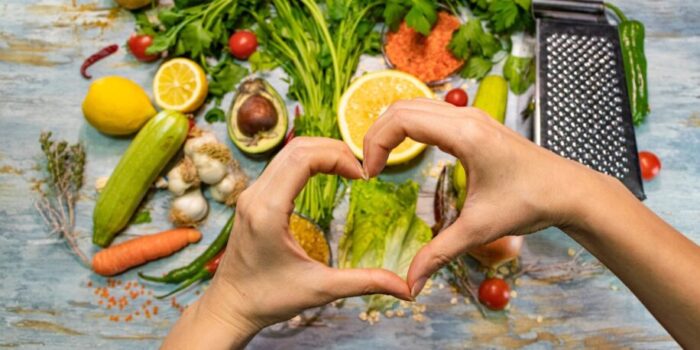
Poor circulation is something many people suffer from. Cold hands and feet, concentration problems, digestive issues, fatigue, joint and muscle cramps… Fortunately, there are many foods that have a positive effect on our circulation. So use plenty of them—your heart will be overjoyed, and so will you.

Of all the organs in our body, the heart perhaps has to work the hardest physically. An adult heart weighs approximately 300 grams and is about the size of a clenched fist. If your average heart rate is 70 beats per minute, this means your heart beats 70 x 60 x 24 = more than 100,000 times in a day. Every minute, our heart pumps 5 liters of blood, or 7,200 liters per day, through an average of 100,000 km of blood vessels—2.5 times the circumference of the Earth. Wow!
14 foods for good circulation
A healthy diet, exercise, weight loss, quitting smoking, good hydration and stress reduction are
natural ways to improve blood circulation. That in itself is not rocket science. When it comes to food, there are all kinds of natural ways to promote circulation. You can combine all these foods, herbs and spices, which is also very smart. The combination of bioactive substances has a much stronger effect in our body than when you eat them all separately.
1. Ginger
When the veins receive good blood flow, body temperature also rises. That is why ginger was used in ancient China for colds and chilled limbs. Consuming ginger does indeed noticeably improve circulation in the limbs. Half an hour after consuming 2 grams of ginger powder, body temperature starts to rise—it can be up to 0.5 to 1°C higher—making you feel warmer, especially in your limbs. So can you treat cold hands and feet with ginger? The answer is yes.

2. Nitrate-rich leafy vegetables and beetroot
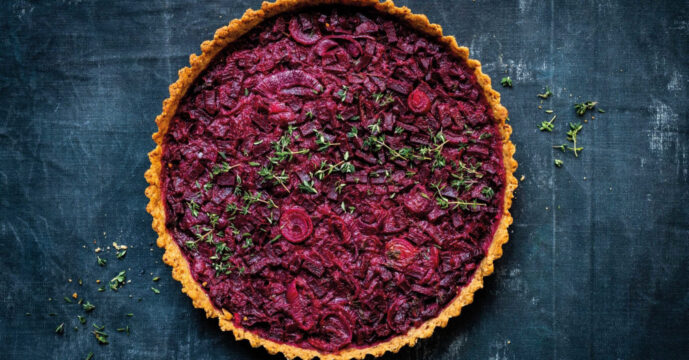
Eating nitrate-rich foods can contribute to better blood circulation by dilating the blood vessels, allowing blood to flow more easily. Epidemiological studies have shown that dietary patterns rich in vegetables, particularly leafy greens such as spinach—which are rich in nitrates—are associated with a lower risk of cardiovascular disease. In addition to leafy greens, there are other foods that are rich in nitrates. Beetroot is one of them. That is why many athletes also drink beetroot juice to improve their performance.
3. Oily fish
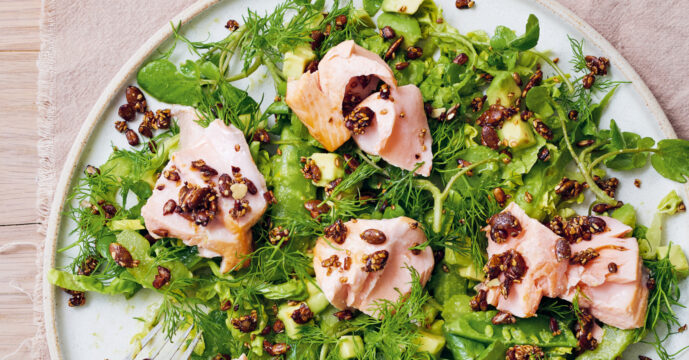
The effect of oily fish on circulation is mainly due to the omega-3 fatty acids it contains. Oily fish such as salmon, mackerel, herring, soused herring, sprats, sardines and anchovies is an excellent source of omega-3 fatty acids.
4. Cocoa and dark chocolate
Relatively recent research shows that cocoa has a beneficial effect on blood pressure and platelet function. This is partly due to its antioxidant and anti-inflammatory effects. This does not apply to milk chocolate or when you mix cocoa powder with milk. So the best thing is to eat a piece of dark chocolate—preferably as dark as possible. But honestly, Joris Bijdendijk’s chocolate mousse, made with dark chocolate, truly warms our hearts..

5. Pomegranate
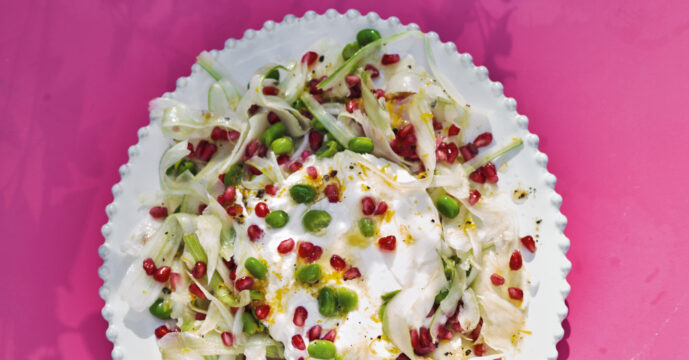
Fun fact: the pomegranate is a berry, not a type of apple. Research shows that pomegranate—whether consumed as fresh fruit, juice or a supplement—can promote blood flow and oxygen delivery to the muscles, which can be particularly beneficial for active people. Pomegranate seeds are soft, juicy and sweet, and contain many polyphenols (antioxidants) and nitrates, which have a powerful vasodilating effect.
6. Onions and garlic
Onions (which belong to the Allium family) contain many bioactive substances with a beneficial effect on cardiovascular disease, among other things. Onions improve circulation in the veins. Garlic is known for its beneficial influence on blood circulation and heart health. According to studies, garlic—especially the sulfur compounds it contains, such as allicin—can increase blood flow to tissues and lower blood pressure by relaxing the blood vessels. Shallots, pearl onions, leeks and chives belong to the same family, so they are also recommended.

7. Citrus fruits
We know that fruit protects against cardiovascular disease. Fruit contains vitamins (such as vitamin C and folic acid), carotenoids, flavonoids, potassium and fiber. Citrus fruits in particular are very rich in these various substances. Some vegetables (such as onions, kale, tomatoes, broccoli and red cabbage) and berries also contain many flavonoids and vitamin C.
8. Walnuts
Nuts in general, but walnuts in particular, are packed with beneficial substances including polyphenols, healthy fats, fiber, magnesium and vitamin E. The health benefits of walnuts, including a protective effect against cardiovascular disease, can be attributed to these substances. Naturally, it is best to buy unsalted nuts.
9. Tomatoes
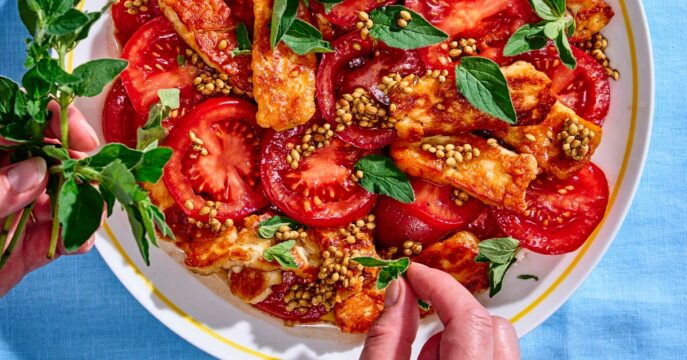
Ripe tomatoes are red thanks to the pigment lycopene, a carotenoid. Lycopene is a very powerful antioxidant. Lycopene reduces the risk of cardiovascular disease in several ways. Tomatoes are not only rich in lycopene, but also contain beta-carotene, potassium, vitamin C, folic acid and vitamin E.
10. Berries
Blueberries, elderberries, raspberries and strawberries are packed with powerful natural molecules that have an antioxidant effect. These substances are also strongly anti-inflammatory—properties that have a beneficial influence on blood circulation. A study published in the Journal of Gerontology Series A showed that eating 200 grams of blueberries daily for a month can improve blood vessel function and lower blood pressure in healthy people. Eat berries when they are in season. If that is not possible, frozen berries are also fine. If you eat just one cup of strawberries or blueberries every week, you can reduce your risk of developing high blood pressure, an important risk factor for heart disease and strokes.

11. Red peppers
Red peppers contain substances generally referred to as capsaicinoids. Capsaicin promotes blood flow to tissues by lowering blood pressure, while other molecules open up the blood vessels. These vasodilating substances help blood flow more easily through the veins and blood vessels by relaxing the very small muscles in the vessel walls. Eating peppers is healthy, but you should not overdo it. For some people, they can cause a burning sensation in the mouth, esophagus and stomach. It is therefore better to always incorporate peppers—including cayenne pepper—into a meal. Eat peppers as a spice, in other words, to add flavor to a meal.

12. Cinnamon
Cinnamon is one of the most widely used spices in the world. Cinnamon is particularly known for its beneficial properties relating to glucose metabolism, and indirectly this also has an effect on circulation. The active substances in cinnamon lower the level of glucose in the blood and increase insulin sensitivity. So using cinnamon is recommended, but be sure not to use too much, because cinnamon contains a toxic substance called coumarin, which can cause problems when consumed in excessive amounts.

13. Turmeric
Both Ayurvedic and Chinese medicine have used this ‘golden spice’ since ancient times to stimulate blood circulation. Turmeric owes its beautiful yellow color to the curcuminoids it contains, of which curcumin is the best known. Curcumin has many beneficial properties, one of which is that it improves blood circulation.
14. Rosemary
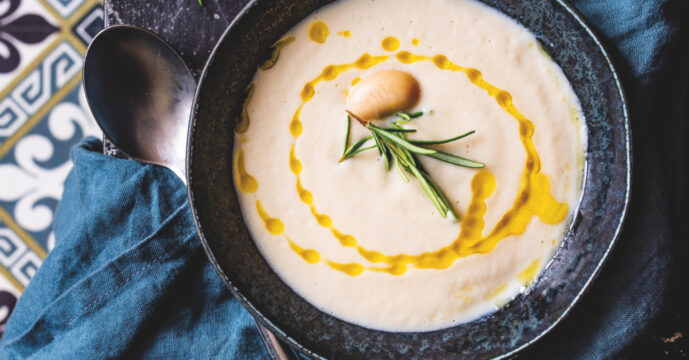
In Acciaroli, an Italian village of seven hundred inhabitants in the Cilento region south of Naples, one in eight residents is over one hundred years old. They are incredibly healthy and happy. One of the most important medical factors is the fact that the residents have very good perfusion—the supply of blood to organs and muscles. The elderly also all have low blood levels of the hormone adrenomedullin, which plays an important role in circulation, and none of them show signs of dementia and confusion that many of their peers elsewhere in the country do. They have extremely low rates of both heart disease and Alzheimer’s compared with European and global averages. A key component of their diet is the herb rosemary. Almost all the centenarians eat rosemary, incorporated daily into olive oil or cooked in pasta—or even chewed raw. Rosemary contains substances with a powerful bioactive effect. Could this be the secret of these centenarians? Conclusion: give rosemary the benefit of the doubt and use plenty of it in the kitchen!
Would you like to read more about health and nutrition? Then read the book Myths and Facts About Nutrition and Health by Eric de Maerteleire.
Also read:
- These are the tastiest ready-made avocado products from the supermarket
- Recipe: chicken tacos with mango and avocado
- Don’t throw away your avocado pit—grate it!
Source: Myths and Facts About Nutrition and Health


