


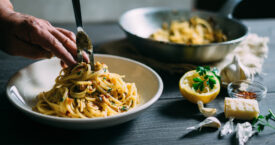
These are the most notable food trends of 2020
From courgetti to hybrid meat and from sober bars to understated interiors; these are the most notable food trends of 2020.

Even healthier
It’s the veggies calling the shots: we’re eating more and more and more vegetables—we’re becoming vegetables. A snack dipped in frying fat? Nope: we snack responsibly, and you get cucumber with your responsibly brewed beer.
Anti-Instagrammable interiors
It’s already happening in London: restaurants consciously turning away from brightly colored interiors that seem almost designed to perform well on social media. Such as restaurant Lucky Cat by Gordan Ramsay in London, which opened last year. Unlike the countless trendy eateries begging to be photographed, at Lucky Cat you enter a dimly lit establishment with an almost drab atmosphere that isn’t intended to look good on Insta. Boring? Not at all. Lucky Cat is actually very layered, revealing something new each time. You just have to see it. In any case, it encourages you to live in the moment instead of experiencing the world through the lens of your phone. Refreshing!
Zero waste
Not to be confused with a zero waist, of course, because we’re still going to eat well. But combating waste may well be the most important trend, as it already was in 2019. Waste is no longer of this era, nor are tons of plastic packaging; in 2020, we’re eating and consuming a little more responsibly. Do you bring your own containers and bags to the supermarket and bakery? You’re no longer seen as the village eccentric—it was about time, too. Alongside reducing waste, we’re also seeing a slow shift. We’re slowly but surely going to eat different things. Eating insects is becoming increasingly normal. A deep-fried cricket in your salad and a bug burger on the BBQ; it’s no longer science fiction.
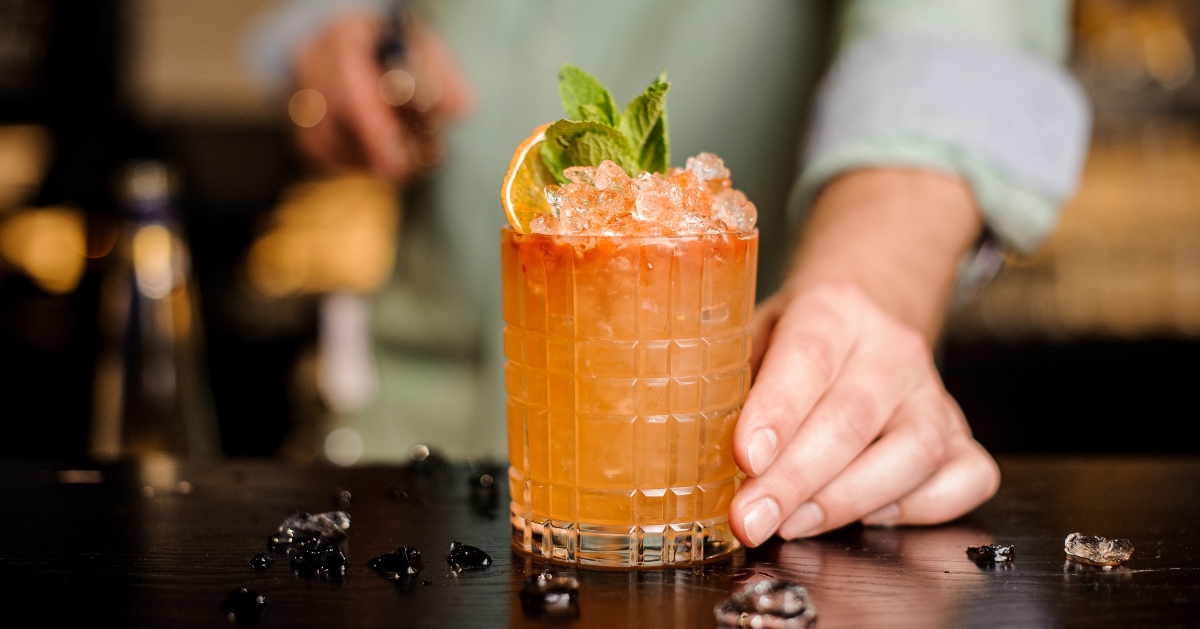
Alcohol-free
Of course, we already have a zero-point-zero when we still have to drive, but alcohol-free is now truly next level. In fact, you’d almost believe you should be happy if gin is still added to your tonic somewhere, so widespread was Dry January. Some people carry on with a Dry February and are already making plans for a Sober October. If you have plans in that direction, read how to make it through and enjoy an alcohol-free drinks gathering. And sober bars? They’re the future!
West African cuisine
Hearty stews, the tastiest rice dishes, richly filled soups—West African cuisine is what you want to eat this year. Don’t be surprised if you increasingly see okra next to the broccoli on the shelves, or if you’re instructed to pickle or stew something first, as is customary. The cuisine is pure, packed with vegetables and free of unnecessary additions.
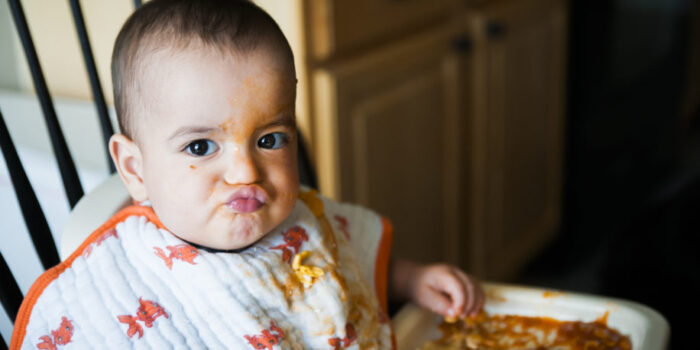
Delicious food for the little foodies
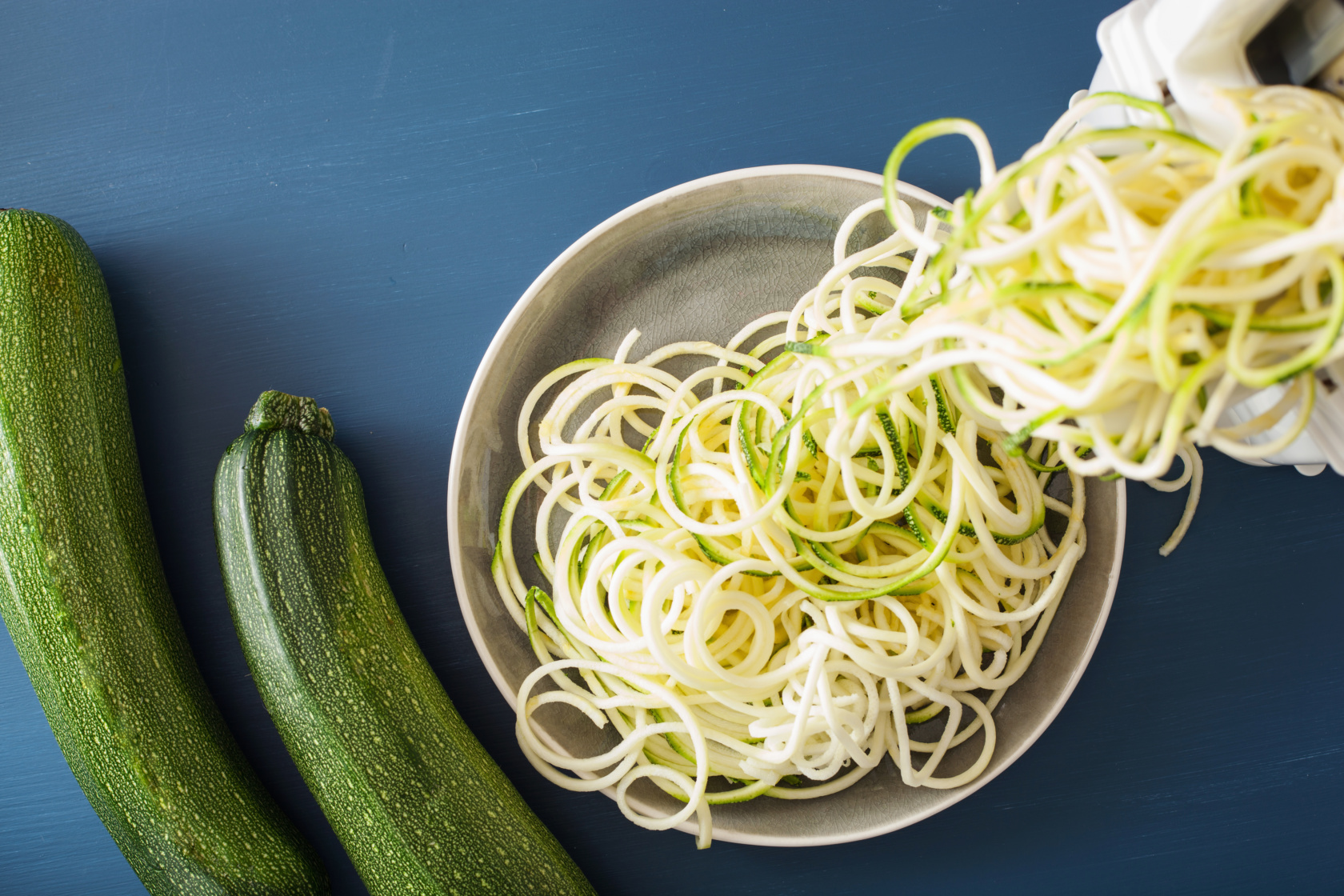
No more plates of fries with frikandel in a restaurant. What we millennials don’t eat, our little sprouts certainly don’t eat either. Ha, sprouts—they fight over those, I imagine. Not boiled until soft, but served as a bold, wild roast from the oven. The fish sticks are made from wild salmon, and pasta is replaced by strands of courgetti.
Soy is out, mung beans are in
Experiment more seems to be the motto. Logical, because the world is becoming increasingly conscious about what it eats. Soy is certainly no longer the only plant-based friend we turn to for nourishment. This year, we find comfort in mung beans (legumes), hemp seeds and, yes, still avocados too, although a cautious counter-movement seems to be emerging.
A spread made from this and a spread made from that
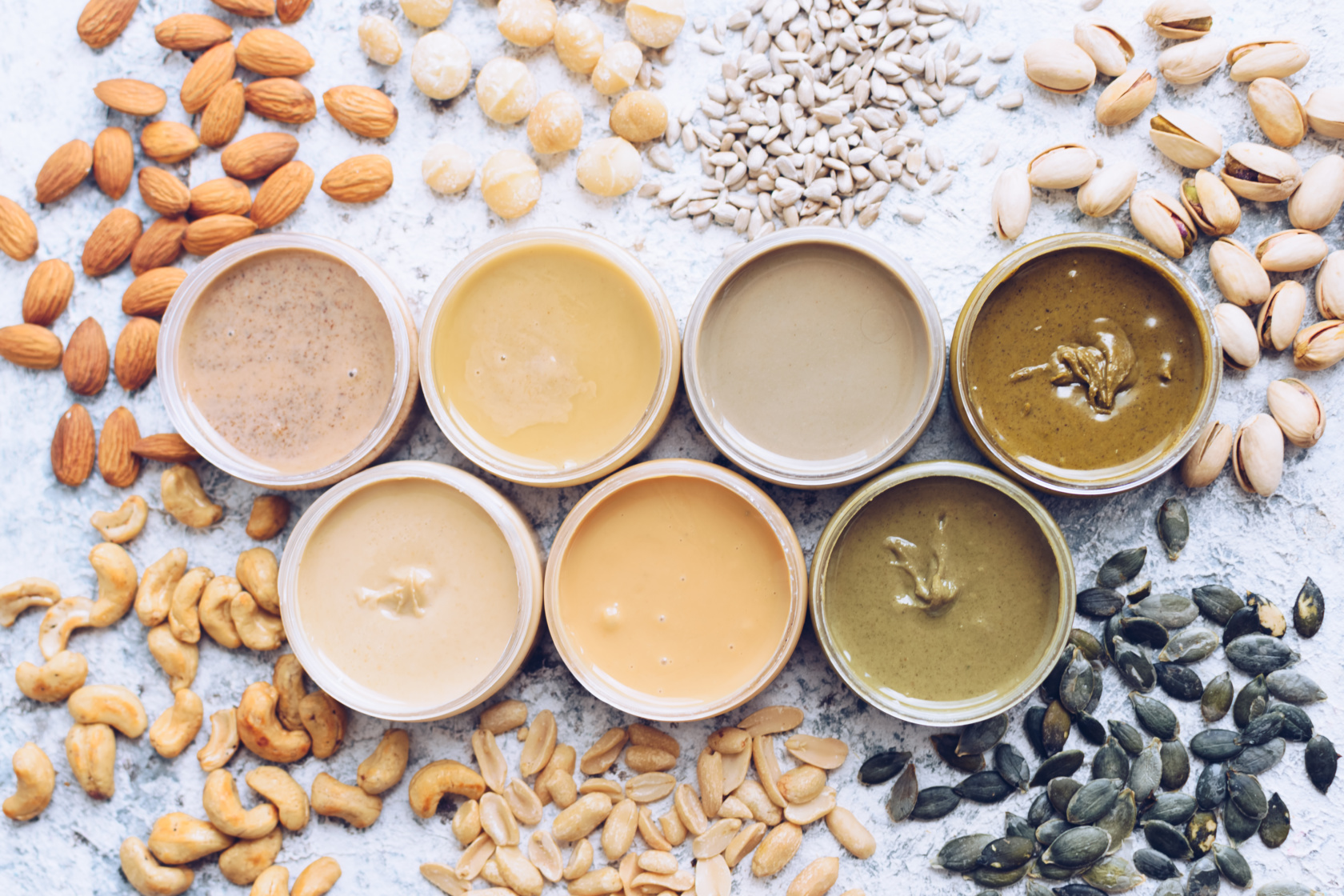
A macadamia butter or a pine nut spread—it’s going to happen this year. Because everything is becoming more plant-based and palm oil in your products is really not done, we’re turning to alternative raw materials. Sounds genuinely delicious to me.
Blend your burgers
Let’s happily go without meat or fish for a day; there are other options. For example, blend your burger with an alternative. You’ll end up with approximately fifty-fifty, meaning you’re genuinely consuming much less meat. Hybrid meat, in short: star chefs are experimenting with it, and supermarkets have cautiously put it on the shelves.
Also read:


