


Typical Valencia: the tastiest Valencian dishes and where best to eat them
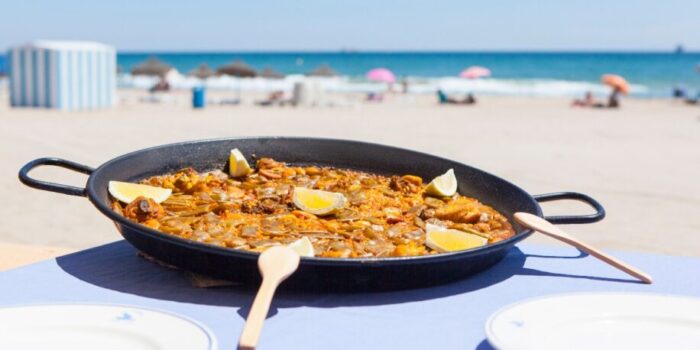
Valencia: the perfect destination for sun, culture and incredibly delicious food. Yes, when it comes to the latter, this city is an absolute must-visit. The average life expectancy is 83.4 years and I understand why; the sun shines all year round and the food is fantastic! From iconic paella to the tastiest tapas (with Spanish fizz!), Valencia is the place to be. But where should you go to taste these dishes at their best? Here I share my favourite places to discover Valencia’s authentic flavours.

The best traditional dishes in Valencia: where to eat them
Valencia is a city that proudly embraces its culinary history. It is not only the home of the famous paella, but also of countless other delicious dishes and drinks (horchata!) that make the city unique. Whether you come for a weekend or a longer holiday, the combination of historical charm, modern architecture and beautiful beaches has made it one of my ideal destinations for years. The food and drink in Valencia really is something to write home about! Here you can read where to eat the best traditional dishes, in the loveliest places, to experience the real Valencia.
Cava: the champagne of Spain
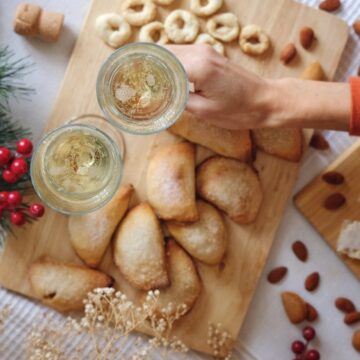
Is there anything better than freshening up with a glass of fizz upon arrival? Go local and order a glass (or, well, a bottle) of cava, the typical Spanish sparkling wine made in exactly the same way as champagne. The Valencian Hoya de Cadenas Cava Brut from Bodegas Vicente Gandia is delicious; a fruity fizz made from macabeo and chardonnay. Cava is traditionally made from the three native grape varieties macabeo, xarel-lo and parellada, but these days the champagne classic chardonnay is also added to the blend. And it works remarkably well.
Tip: delicious with an ‘esmorzaret’
Esmorzar means ‘early lunch’ in Valencian. Well, in my opinion, a glass of fizz goes perfectly with that! And hilariously, Valencians are very clear about the timing of such an early lunch. For purists, esmorzaret is at 9.00 am, and for slowpokes at 12.00 pm. So don’t wait too long for that blissful ‘pop’!
Eating tapas in Valencia
Would you like to drink even more Valencian wine with delicious tapas? We have a few fantastic addresses for you.
Valencia’s oldest tapas restaurant
You really shouldn’t miss a visit to Casa Montaña. This oldest tapas restaurant in Valencia has more than a thousand wines from all over the world on the menu—with special attention to Valencian wine—which you can order by the glass. And of course, you can eat wonderfully here too: Iberian ham, calamari, patatas bravas, michirones (cooked beans), cod croquettes with pine nuts, clóchinas (Valencian mussels)… delicious!
Tapas in the market hall
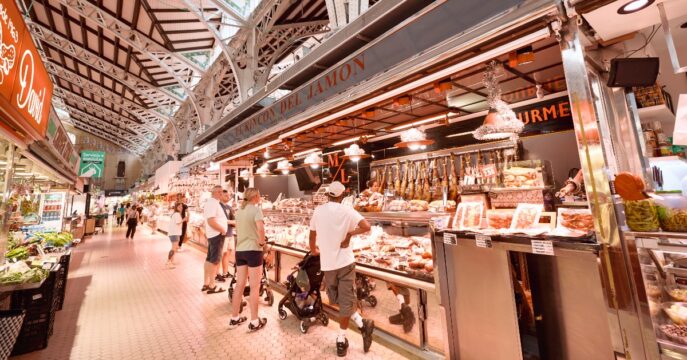
It’s also great to eat tapas in the famous Mercado Central. In the market hall you’ll find, among other things, the oldest market bar: Central Bar. Here, chef Ricard Camarena gives tapas and bocadillos (generously filled baguettes) a new twist. Sit at one of the tables and take in the lively market atmosphere, or even better: find a spot at the bar.
Tapas by the cathedral
Another absolute recommendation: Colmado de La Lola, around the corner from the cathedral. Every day, ships arrive in Valencia’s port carrying anchovies, sardines, squid and prawns, and here you can eat wonderful fresh Valencian oysters, berberechos (Spanish cockles), buñuelos de bacalao (a kind of cod fritter), croquetas caseras (homemade croquettes) and revueltos de huevos trufados (scrambled eggs with truffle). All so delicious! And real tapas fans will be delighted with this list of the best tapas bars in Valencia, recommended by locals).
Paella: the birthplace of Valencia
There are enormous numbers of rice fields in the Valencia region. Not only are they a beautiful sight, they are also a wonderful thing, because Valencia is known for its divine paella. In fact, Valencia is the birthplace of paella. Rice is prepared here like nowhere else. Going to Valencia without eating paella simply isn’t an option!
Paella among the rice fields
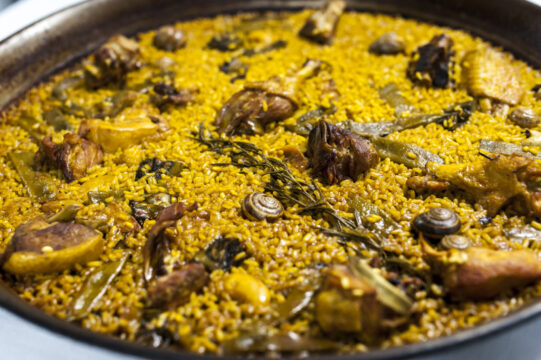
You can eat paella among the rice fields in the area around l’Albufera nature park at the beautiful Casa Quiquet (where paella is served over a wood fire in a centuries-old dining room) and La Ferrera (which won the World Paella Day CUP a few years ago). The paella at El Palmar is also delicious (lovely holiday vibe!), as is the paella at the waterside Nou Racó. Typical of this area is all i pebre, a stew of eel and potatoes—did you know this is the origin of paella?
Paella by the sea
Would you rather eat paella by the sea? Then head to Casa Carmela on Malvarrosa beach. Here you can eat paella on the beach with your feet (almost) in the sand. Do make a reservation, because otherwise there’s a good chance you’ll only be able to watch enviously as families and friends gather around a large pan of paella… And otherwise, you can always try one of the other paella restaurants. Casa Isabel, El Coso Del Mar, Vlue Arribar, La Alegría de La Huerta and La Marítima de Veles e Vents; they all serve Valencian paella on the beach.
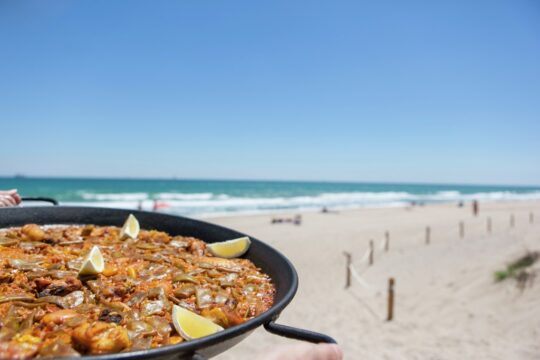
Eating paella in the old town
There are also plenty of lovely places in Valencia’s beautiful old centre where you can eat this classic Valencian dish. A famous address is Borja Azcutia. Other well-known addresses include La Cigrona (modern in appearance but with traditional cooking), Palace Fesol (a place to fall in love with!) and Juliana Restaurante (with a large terrace).
Paella in modern Valencia
The great thing about Valencia is that the city has so many different neighbourhoods, each with its own charm. One of my favourite areas of Valencia is Camins al Grau, known for Ciutat de les Arts i les Ciències and its remarkable architecture. It feels wonderfully spacious here and, partly thanks to the cooling gardens, it is always less muggy than in the old town. And of course, you can satisfy a paella craving here too! At A Tu Gusto, for example, or Contrapunto Les Arts, on the ground floor of the Palau de Les Arts Reína Sofía.
Paella recipe for home
Once you’re back home, you’ll naturally want to hold on to that wonderful holiday feeling for as long as possible. So tie on your apron and get cooking. This is the most commonly used paella recipe in Valencia, so what are you waiting for? Qué aproveche!
Read also:
- Foodie guide: 24 hours of eating in Valencia like a real local
- 11 things that will keep for at least two weeks in your fridge
- Recipe: Ajo Blanco, cold garlic and almond soup from Spain
Images: Visit Valencia, ©Emilio Chulià


