


Umami, what exactly is it?
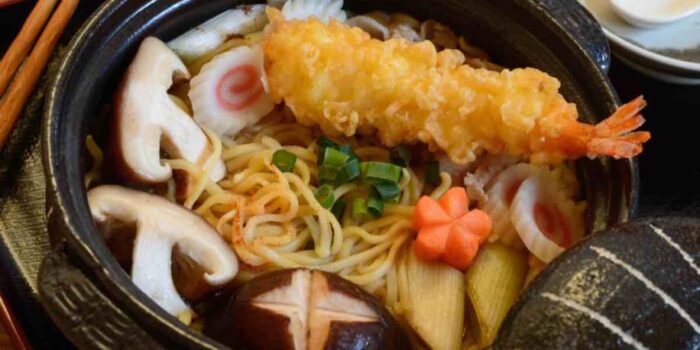
What do tomatoes, smoked meat, pickled vegetables and seaweed have in common? Umami. But what exactly is it? And what else contains it?

Umami is the fifth basic taste, alongside sweet, sour, salty and bitter. The word comes from the Japanese umai (delicious) and mi (taste), or: delicious taste.
Well, that’s rather debatable, you might be thinking now—everyone has different tastes, right? But the taste umami has in fact been scientifically researched. In 1908, Japanese chemist Kikune Ikeda proved the presence of umami in seaweed (kombu). The substance associated with it is glutamate.
Flavour enhancer
One glutamate you’re probably familiar with is monosodium glutamate, or MSG, the flavour enhancer. MSG is produced chemically, but there are also many natural sources of glutamate. Think Parmesan cheese and tomato ketchup. Umami increases saliva production and enhances salty and sweet flavours.
To make it a little more concrete, Samin Nosrat explains it very well in her book Salt, Fat, Acid, Heat. “Sometimes a little grated Parmesan can make the difference between good pasta and delicious pasta. And then there are those among us who always crave ketchup with burgers and fries—not just because of the sweetness, saltiness and acidity. A little ketchup, and the umami it provides, makes things taste inexplicably better.”
Umami can be found in:
- Mushrooms (especially when dried)
- Meat, beef, pork (bacon! ham!), chicken
- Fish and fish stock (especially small fish such as anchovies, but tuna is also an umami bomb)
- Seaweed
- Yeast extracts and pastes such as Marmite, nutritional yeast and fermented foods
- Soy products, from tofu to soy sauce
- Fish sauce
- Tomatoes and tomato products (the more reduced, the more concentrated the umami: hello, ketchup)
- Cheese (the older, the more umami)
One more useful tip from Nosrat: “The list of foods that contain a lot of umami pairs beautifully with many sources of salt or acid. So always try to incorporate a little umami alongside salt or acid to improve the flavour without creating extra work.”


