



Why This Cut of Meat Is Increasingly Appearing on Top Chefs’ Menus
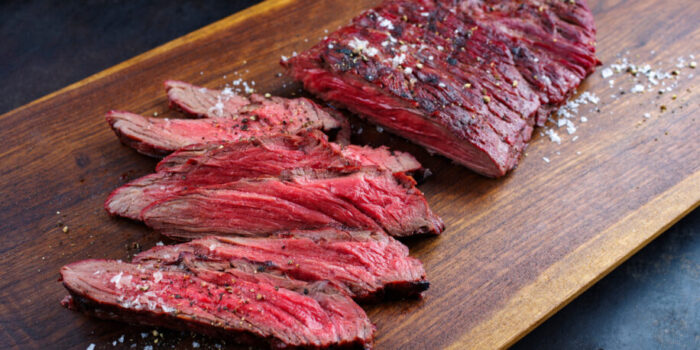
If you’ve looked at the menus of top restaurants and culinary hotspots in recent years, you’ve probably noticed it: bavette, also known as flank steak, is appearing on menus more and more often. There’s a good reason why this cut of beef is receiving so much love from professional chefs. Curious to know what makes bavette so special?

We’ll tell you why chefs and meat lovers are increasingly choosing bavette from major butchers such as INAMOOD, instead of the familiar steaks.
The Flavor Explosion of Bavette
Bavette stands out for its deep, rich flavor and juicy texture. While popular cuts such as entrecôte or tenderloin are mainly known for their tenderness, bavette gets its character from its slightly coarser grain and distinctive beef profile. Chefs love choosing bavette because grilling or frying this cut brings out extra flavor and aroma, especially when cooked quickly and intensely at a high temperature.
“Nose to tail” cooking
The renewed interest in bavette fits perfectly with the “nose to tail” cooking trend. Cooks want to use the whole animal and give less obvious or forgotten cuts a place of honor in the kitchen. Once known as a ‘working meat’ cut, it is now celebrated for its pure beef flavor, juiciness and versatility. Bavette is ideal for a wide range of dishes, from steak frites to Mexican fajitas.
Enjoying Food Sustainably and Responsibly
In modern gastronomy, sustainability is more important than ever. More and more top chefs are emphasizing the importance of responsible meat consumption. Bavette, taken from the flank of the animal, is a less popular cut and therefore often remains at wholesalers. By choosing cuts like this, restaurants help reduce food waste and show greater respect for the animal. This appeals to conscious consumers and makes choosing bavette socially relevant.
Local and traceable
Bavette also aligns well with guests’ preference for traceable, local meat. Many butchers work with small-scale farmers and offer transparency about the origins of their products. Bavette is often closer to the source because it is generally not purchased in bulk. Thanks to these direct connections and small scale, it earns extra points for sustainability and flavor—something that doesn’t go unnoticed by discerning diners.
Versatility in Preparation and Presentation
One of the reasons bavette is so popular with top chefs is the meat’s great versatility. Bavette can be prepared perfectly on the grill, barbecue or in a pan. The cut is also well suited to slow cooking or sous vide, while maintaining its ideal fiber structure. Dishes with bavette are also attractive to present, as the meat can remain beautifully rare and be sliced—perfect for shared dining or stylish plates.
From Asian to classic French
Bavette also offers plenty of possibilities for modern fusion dishes. The meat combines well with powerful spices, fresh acidity and creative garnishes. From Asian marinades to classic French preparations, bavette gives chefs a canvas that can be adapted to a wide range of styles and flavors. It’s no wonder that more and more top restaurants are experimenting with this versatile cut on their menus.
Read more:


