



What happens if you eat mold?
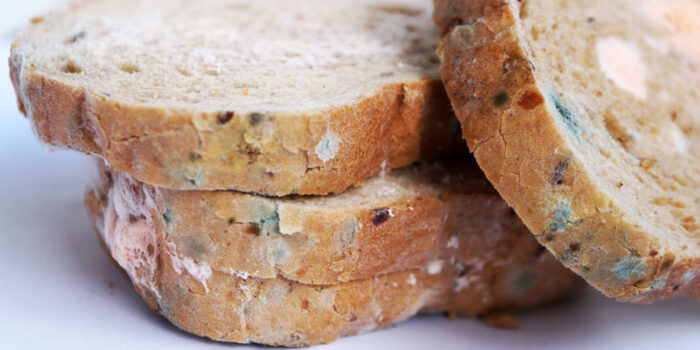
Gorgonzola, truffle over pasta, fried mushrooms: you can’t get enough of some fungi. But bread with blue spots or strawberries with fuzzy patches, ugh! What exactly is mold? And should you worry about your health if you accidentally take a bite of it?

Molds are related to mushrooms, and they can grow on anything that is even slightly damp. Cookies, for example, or bake-off bread or fruit—almost anything in your pantry can develop a layer of mold.
Mold in your fridge
Molds reproduce through mold spores, which grow at the ends of fungal threads. When they are ripe, they detach and waft through the fridge, the fruit bowl or the pantry. That’s how one moldy mandarin can infect the entire net, and then the rest of the fruit bowl.
10 frikandel dishes for people who only want to eat frikandels
Get rid of that bread
You can no longer eat bread with blue or black mold. Not even if only one slice is moldy, or if there is only a spot of mold on the crust. The mold spores are spread throughout the entire loaf. Fruit with mold should also go straight in the bin.
Jam with mold? Or a jar of applesauce? Throw it away; you can’t just scoop off the mold. Moldy cheese in your grilled cheese, is that harmful? Yes and no: with hard cheeses, you can cut away the moldy part and simply eat the rest—if you still feel like it.
And now? Sick?
Suppose you take a bite of your sandwich, taste something strange and only then take a proper look: mold. Will you be spending the evening on the toilet? No, moldy bread won’t make you sick. Mold spores are not poisonous, so you won’t get food poisoning or anything like that. Even if you’re pregnant or have a fragile health condition, you don’t need to worry. Throw away the bread and you’ll be fine.
Also read:
- Hack: cleaning your microwave
- Raw vegetables? Don’t eat these if you want to stay reasonably healthy
- Refreezing food: yes or no?


