



With these 5 tips, you’ll learn to garden like a real pro
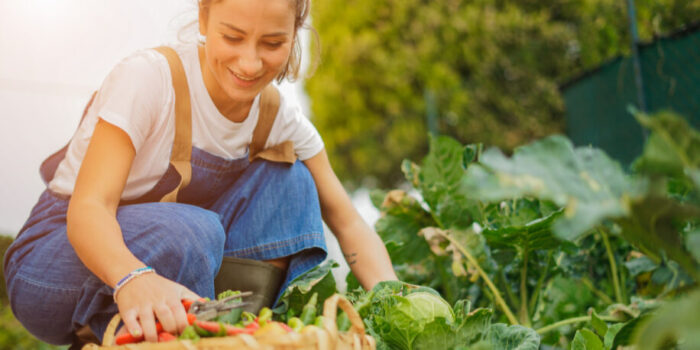
Are you just muddling through in your vegetable garden and ready for the real work? Put on your rubber boots and get your hoe out of the shed. With these 5 tips, you’ll learn to garden like a pro.

Vegetable gardening isn’t as easy as it seems. If you actually have no idea what you’re doing, you’ll end up with the biggest vegetable garden failures. There go all your delicious recipes with homegrown vegetables… But don’t worry, your coronation as king of the vegetable garden is near.
Tip 1: Leave the soil alone
The secret to a successful vegetable garden is the no dig system. In other words, put that hoe and rake back in the shed after all. If you disturb the soil as little as possible, you’ll create a wonderfully fertile ecosystem. The soil comes alive: fungi develop and worms start wriggling around. And that’s a good thing; worms ensure, for example, that the soil and compost (see tip 2) mix well. This gives you fertile soil that retains water well. It also reduces soil erosion.
Tip 2: Get started with cardboard and compost
It’s a thorn in the side of… Well, everyone: weeds. You want to prevent weeds in your vegetable garden as much as possible or get rid of them quickly. But going wild with all kinds of chemical pesticides isn’t the solution. What is the solution? Cardboard. If you lay a layer of cardboard on the soil, no sunlight can get through and all the weeds will die. Extremely environmentally friendly and effective. The cardboard will naturally decompose over time. Just make sure the cardboard is free of staples, ink and plastic — those don’t decompose. Place a layer of compost about 10 centimetres thick on top of the cardboard, like a blanket. Compost is incredibly rich in nutrients: perfect for nourishing your crops. Every autumn, add a new layer of compost of around 3 centimetres.
Tip 3: Make paths with wood chips
Want to create a somewhat larger vegetable garden? Without paths, it becomes very difficult to reach all the crops in your garden. Unless you’re extremely limber. Wood chips are the perfect material for creating paths. Wood chips not only prevent your garden from becoming very muddy (and your shoes from getting dirty), they’re also organic. That means they provide plenty of nutrients for the fungi and worms in the soil. A win-win! After about 2 years, the wood chips will compost and it’s time to replace them.
Tip 4: Start with easy-to-grow vegetables
Just starting out with vegetable gardening? Don’t make it too difficult for yourself. First try growing easy-to-grow vegetables. In the vegetable gardening world, these are also known as ‘stress-free crops’. With stress-free crops, you can assume that they’ll do quite well without requiring an extreme amount of effort. Great crops to start with include garlic, courgette and fennel. Then you can make Ottolenghi’s courgette with 6 cloves of garlic more often. Or a grilled sandwich with meatballs, fennel and walnut pesto. Herbs such as mint and parsley are also easy to grow. You have to admit: it’s much more motivating when you can immediately start sharing successful vegetable gardening stories, right?
Tip 5: Attract insects instead of chasing them away
We don’t want anything to do with wasps. Our first reaction when we see these little creatures: swat. Or stomp. In any case: get rid of them. But don’t do that when they come near your vegetable garden! Insects such as wasps and bees increase biodiversity and ensure that natural enemies of your crops stay at a safe distance. Enemies that make your crops sick and, you guessed it, cause your harvest to fail. So how do you attract more insects? By sowing lots of flowers. A lovely bonus: a colourful flower field also turns your vegetable garden into a real sight to behold.
Good luck!
Also read:


