



Yeast vs. sourdough: what are the differences?
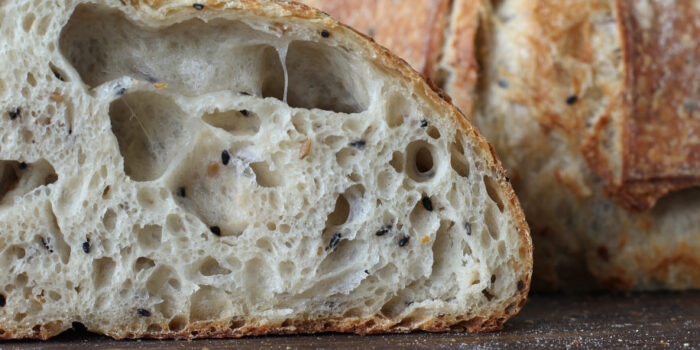
Making your own bread or pizza feels like a personal victory every time. We recommend that every home cook give it a try at least once. Before you start, though, think carefully about how you will make your dough rise. Will you use yeast or sourdough? What are the differences and when should you use which?

Yeast and sourdough are both leavening agents. They are living products that make dough airy and give you those beautiful holes in your bread or pizza.
Yeast
You’ve probably seen yeast in those green packets at the supermarket. It is a type of fungus that reacts to the sugars in the dough, converting them into CO2 and alcohol.
Fresh or dried?
The supermarket yeast you know is dried; as soon as you soak it in warm water, the cells come back to life. Sometimes a recipe calls for fresh yeast or baker’s yeast. This is much harder to find, although we sometimes see cubes of it at Turkish supermarkets. Fresh yeast is alive and therefore only keeps for two weeks. Does a recipe call for fresh yeast, but you could only find dried yeast? Then use one-third of the amount.
Sourdough
Sourdough is also called wild yeast and is nothing more than flour and water combined. You make a so-called sourdough starter by keeping the two ingredients at room temperature and occasionally adding fresh water and flour. This allows it to ferment, creating wild bacteria that make the dough rise beautifully. This process gives the starter and the bread their characteristic sour aroma.
Making your own sourdough starter isn’t complicated, but you do need to look after it by feeding it from time to time. If you do that properly, starters can become very old indeed. Some are passed down from one family member to another. Follow these steps for making sourdough bread — success guaranteed!
When should you use which?
For any dough that needs to rise, you can use either yeast or a sourdough starter. Don’t replace one with the other at random, though; look for a specific recipe instead. Sourdough adds a slightly sour flavor to your bakes. Delicious in bread or pizza, but perhaps less desirable in sweet bakes.
Yeast is generally more consistent than a homemade sourdough starter, since every kitchen is different. But making a sourdough starter is incredibly rewarding, so give it a try too. From now on, you’ll always have a choice. Ended up with a baking flop? Then check out the six common mistakes made by beginner bread bakers.
Also read:


