



Common deep-frying mistakes
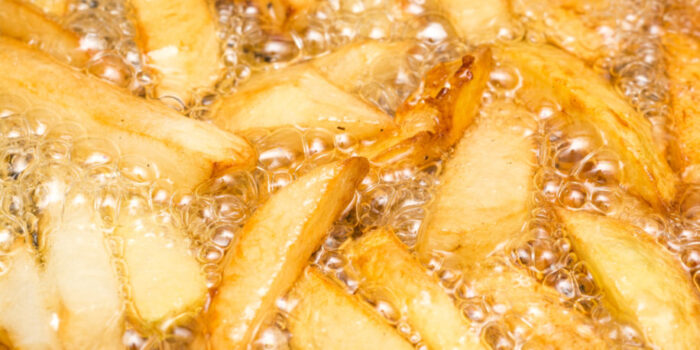
A greasy snack with a perfectly crispy edge. We all love deep-frying and it seems simple, but a lot can still go wrong. With these tips, you’ll become a true deep-frying master in no time.

Using old frying oil
Deep-frying rule number one: never do this! Old oil reacts with oxygen and quickly turns rancid. Using oil for too long creates harmful substances. Replace your oil after deep-frying three to five times. Also do this if the oil smells or tastes strongly, looks dark or syrupy, or if it smokes or foams. Is your oil due for replacement? Pour it back into the bottle and take it to a special collection point.
Also important: filter the oil or liquid fat through a fine sieve after every frying session. This removes all the water and burnt bits. Make sure you use the right oil, too. Many chefs swear by refined peanut oil because of its high smoke point and long usable life.
Filling your pan with too much oil
If you do this, your deep fryer will overflow because of the bubbles that form in the oil. Doesn’t everything fit in one batch? Fry it in two batches instead; overfilling your pan is never a good plan.
Setting the temperature too low or too high
The perfect deep-frying temperature is between 150 and 175 °C. Think you’ll fry faster by turning the temperature up a little? Not a good plan. The outside of your food will burn while the inside is not yet cooked.
Thawing frozen products beforehand
Don’t do this; your snacks taste best when they come straight from the freezer. That’s what they were made for. Is something else indicated on the packaging? Then, of course, it’s a different story. Do remove the layer of ice from your frozen snacks. Pat wet products dry with a piece of kitchen paper. By the way, did you know that frozen products can also go past their expiry date? So always check the best-before date.
Also read:
- Deep-frying without a deep fryer
- Recipe: crispy deep-fried shrimp toast
- Arancini di riso (Italian risotto balls)


