



How to make the perfect pad thai
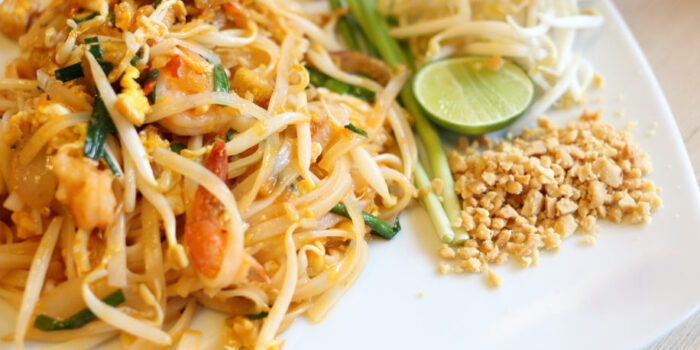
Have you ever been to Bangkok? Did you then resolve to build your own pad thai at home as soon as possible? It will never taste quite as delicious as it does in Thailand, but with these tips you can still get pretty close.

First, let’s clear up a misconception: contrary to what its name suggests, pad thai did not originally come from Thailand. There are two theories about the origins of pad thai. According to one, pad thai developed from pho sao, a Vietnamese dish. What’s more, people in Thailand call the dish kway teow pad. Kway teow is Chinese for rice noodles, so many people in Thailand consider pad thai a Chinese dish.
Feeling inspired by Thailand? This papaya salad is sure to make you happy too
One more fun fact: in 2011, CNN Travel conducted a worldwide survey and compiled a list of the 50 most delicious dishes in the world. Pad thai came in at number five. Pad thai no longer appears on the 2018 list, but number one is currently occupied by another Thai favorite: massaman curry.
The noodles
Right, back to more important matters. We’re going to make pad thai. Make sure you have the right ingredients ready. According to Thai recipes, the only noodles you may use for pad thai are Thai rice noodles. Pay attention when soaking the noodles: make sure they are pliable, but also reasonably firm (think al dente). They should not fall apart. Drain them and rinse well with cold water. To prevent the noodles from sticking together, drizzle them with a little sesame or peanut oil.
The sauce
Pad thai sauce consists of four important basic elements: salty, sweet, sour and spicy. Use fish sauce for saltiness, tamarind for sourness and brown sugar or honey for sweetness. Heat these three ingredients in roughly equal proportions, but adjust them to your taste. Once the sauce is seasoned, add the spice. Add as much dried chili or chili powder as you need until you find the sauce spicy enough. Tip: the sour and spicy flavors should be a little less prominent than the salty and sweet ones. Pad thai is served with a lime wedge and some extra chili on the side.
Beef, fish, chicken or tofu?
We like to make our pad thai with tofu and chicken, but there are plenty of options. Beef, pork and shrimp are also incredibly tasty and combine well with tofu. It’s important to heat the meat or tofu over high heat in a wok with sizzling-hot oil. Note: if you decide to make pad thai with shrimp, you don’t need to fry them beforehand. Naturally, you don’t want them to dry out.
The correct order for stir-frying the ingredients is as follows: stir-fry your meat or tofu in a blazing-hot pan and add two tablespoons of the sauce. Then add finely chopped garlic, the noodles and a little more sauce. If you’re making the pad thai with shrimp, this is the right moment to add them. Push everything to the side of the pan and crack your eggs into the pan. Let them cook briefly, then mix them into the rest of the dish.
Why not try one of our Vietnamese dishes too?
Finally, briefly stir-fry the bean sprouts, Chinese chives and spring onion. Taste the pad thai and season with some extra sauce if necessary. Serve sprinkled with peanuts, with a few lime wedges and chili flakes on the side.
Also read:
- Why are there so many different types of chicken breast at Albert Heijn?!
- Recipe: Crispy garlic potatoes with Parmesan cheese
- 14x the loveliest and most beautiful courtyards in Amsterdam


