


No More Soggy Sandwiches
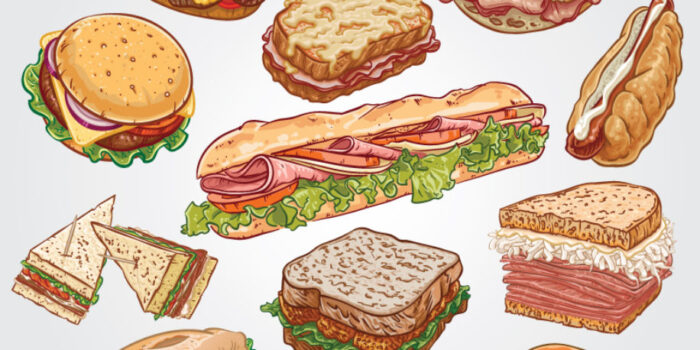
School and studies are starting, so it’s time for the infamous packed lunches again. There’s nothing wrong with a good sandwich in your lunchbox, but it shouldn’t be soggy. We’re giving you tips on how to prevent that.

Timing and temperature
First of all, you need to ask yourself: how long will you be carrying the sandwiches around while they’re wrapped before you eat them, and how warm will it be where you store them? In short, of course, the shorter and colder, the better. In that case, you can top them with pretty much anything. If it’s warm and it’ll be a while before you can eat, avoid products that you would normally keep in the fridge. So: meat, fish, cheeses and other dairy products. They can 1) start to smell, 2) start to sweat, 3) spoil.
The right packaging
Whether you should wrap your bread in aluminum foil or a simple plastic bag depends on what you put on it. If you’re bringing a baguette or sandwiches with fillings that could fall out, wrap them tightly in aluminum foil. Nothing’s worse than loose pieces of cheese and tomato all over your lunchbox/packed-lunch container, with a blob of pesto here and there.
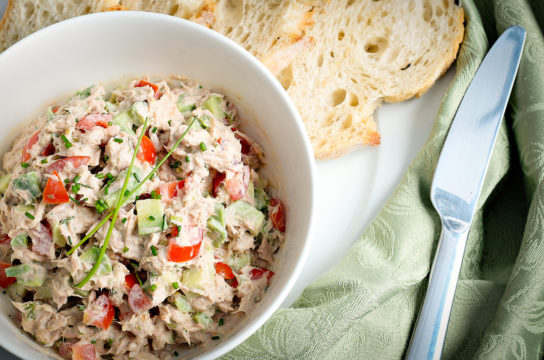
Plastic bags, especially ones with a ziplock closure, are great for fragrant sandwiches. Think peanut butter or tuna salad. You can also wrap your bread in aluminum foil and put it in a plastic bag. Double prevention. With tuna salad, make sure there’s a good barrier, such as lettuce, between the tuna and the bread. Otherwise, you’ll have a beautifully held-together sandwich, but it will be completely soggy.
Spreads and sauces
If you like mustard or ketchup on your sandwich, we get it, especially if it’s Zaanse mayo. Spread it on nice and thick. Because it forms an extra (fatty) layer, tomatoes and other moisture-retaining ingredients won’t seep through. Just make sure you don’t spread these sauces directly onto the bread. That will make it especially soggy. Always spread them on a layer of cheese, fish or meat.
Meat and cheese as a barrier
So that layer of cheese, fish or meat acts as a barrier against sauces, but also against tomatoes and other vegetables or tuna or egg salads. The same applies to lettuce, by the way. If you’d rather have no animal products on your sandwich at all, pile it high with arugula, iceberg lettuce or spinach and put your vegetables in between.
Butter as a barrier
While it’s better not to spread mustard and ketchup directly onto the bread, that is actually a good idea for butter, mayo, olive oil and guacamole. These spreads are so water-repellent that there’s no way they’ll let your tomato/pickle/grilled zucchini juices seep through.
https://www.instagram.com/p/BkWa1KWhFLO/?tagged=ciabattasandwich
‘Crusty’ bread
To prevent sogginess as much as possible when it comes to the bread, it’s a good idea to choose ‘crusty’ bread. Think sturdy, thick slices of whole-wheat, sourdough or ciabatta bread. These breads are all not very airy but nice and firm, so they absorb moisture less easily.
No warm ingredients
Warm ingredients on your sandwich are a no-go. Warm products release condensation—in other words, moisture—which causes soggy bread.


