


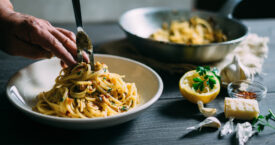
Tahini: the flavor booster from the Middle East that makes everything taste better
For practically everything Yotam Ottolenghi creates, there’s one ingredient that keeps making an appearance: tahini. And that’s no coincidence. This creamy sesame paste gives dishes a deep, nutty and slightly bitter kick, without requiring you to juggle all kinds of spices. Meat lover? Fish fanatic, vegan or sweet tooth? Tahini goes with everything.

No idea what to do with it? Then you’ve come to the right place. At the FavorFlav editorial office, we’re tahini lovers right down to the fibers of our pita bread.
What exactly is tahini?
Tahini (also known as tahini, tahina or techina) is a thick, velvety paste made from ground sesame seeds. The seeds are first soaked, hulled and then ground into a smooth substance. That’s it. No fuss. No strange additives. Just pure flavor from a jar. But do pay attention, because as with everything, not all tahini is created equal. Some jars (or plastic bottles) from the supermarket are bitter, bone-dry or come with a layer of oil that’s quite something. How can you tell whether you’re dealing with a top-notch jar?
How to recognize good tahini
1. Check the origin
Top-quality sesame seeds come from Ethiopia. Check the label! Can’t find that information? Then brands from Israel, Palestine or Lebanon are usually better than those from Greece or Cyprus, says Ottolenghi (and we believe him).
2. Check the oil
Is there a thick layer of oil floating on top? Then you’re probably dealing with lower quality. The less oil, the fresher and better the tahini. By the way, don’t forget to stir that oil in thoroughly before using your paste.
3. Pay attention to the color
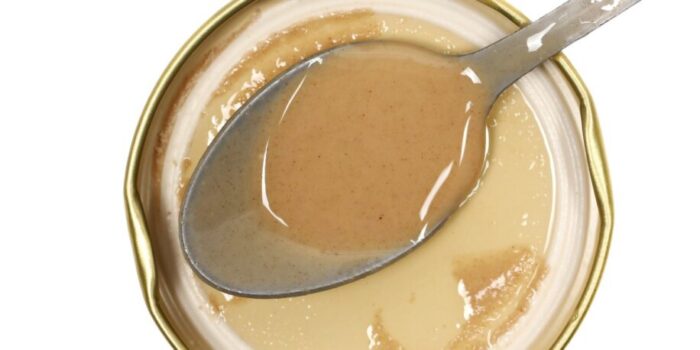
Lighter tahini is subtler and creamier, making it a favorite among chefs and hummus lovers. Darker tahini is more powerful, but often more bitter too.
4. The ultimate test: would you eat it straight from the jar?
After stirring, scoop a spoonful from the jar. Is it soft, smooth and do you want to spoon it straight into your mouth? Then you’ve got a good one. Is it dry, sharp or gritty? On to the next one (jar, not bite).
Dark vs. light tahini: what’s the difference?
A little more on dark and light tahini, because this addictive sesame paste broadly comes in two varieties. Dark tahini is made from roasted, unhulled sesame seeds. The flavor is intense, almost smoky and sometimes a little bitter. Perfect for anyone who likes their tahini with a punch. Light tahini is softer, creamier and subtler. It’s made from hulled, unroasted sesame seeds. The go-to choice for everything from hummus to halva. It goes with everything and even makes a simple grilled cheese special.
Why tahini also belongs in your kitchen
Tahini is one of those ingredients that tastes good in everything. Making vegan dishes? Add a spoonful to your soup or stew and BAM – instant creaminess without cream. Want to make roasted vegetables irresistible? Mix tahini with lemon juice, garlic and some yogurt for a dressing that takes everything to the next level. And definitely make this best sauce there is too! Making roast chicken with tahini or pulled chicken? Gently warm your shredded chicken in a pan with chicken seasoning and tahini. Turn it into a wrap with Lebanese flatbread, pomegranate seeds, avocado, tomato and cucumber, and you’ll be sold.
And if you really want to try something different: leave the peanut butter aside and spread tahini on your cracker. Add a smear of honey and a pinch of sea salt if you like. You won’t believe what you’re tasting!
Star of the Middle East
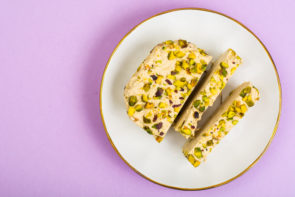
You’ll find tahini mainly in Middle Eastern cuisines: Israel, Lebanon, Syria, Turkey… It’s sacred stuff there. And rightly so. From Ottolenghi’s salmon with tahini, baba ghanoush and shakshuka to hummus and sabich: tahini is the beating heart of every mezze table. The editorial team’s favorite preparations are countless. As a hardcore tahini lover, I’m also crazy about halva, a dessert (or snack) made almost entirely from tahini.
Buying tahini
These days, you can find it almost anywhere. From your favorite Turkish supermarket to the organic shop, or simply at Albert Heijn, Marqt, Ekoplaza and Jumbo. Ottolenghi’s favorite is Al Arz Tahini, a plastic jar with a red lid. And yes, it’s made from humera, the best sesame seed in the world, sourced from Ethiopia. You’ll have to look carefully for it, though. Another favorite that’s easy to find is SOUQ Tahina. Light, creamy and addictively delicious!
-
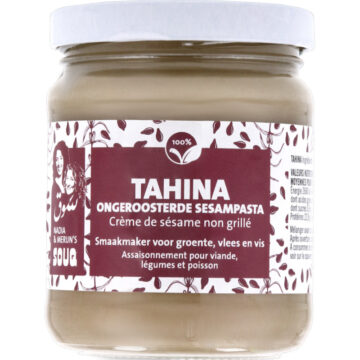

- SOUQ Tahina: goede keuze!
-


- Pot Al Arz Tahini, met de opvallende rode deksel
Read also:


