


The malt mystery
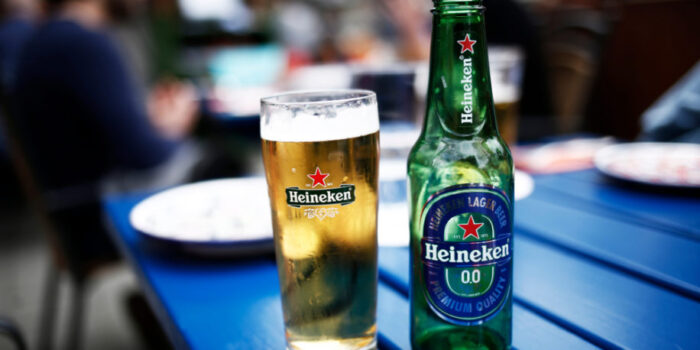
These days, we order trendy ‘zero point zero’ beers, but anyone who knows a bit about beer knows that alcohol-free beer is often called ‘malt beer’. But why, exactly? After all, malt has absolutely nothing to do with the beer being alcohol-free.

I can usually find answers to my questions fairly quickly. A bit of Googling, leafing through books and asking around, et voilà: you have the answer to questions like ‘Why don’t we drink pig’s milk?‘ and ‘What is that feather doing on my egg?‘. But malt beer is a different story. It turns out to be a real mystery. All the more fun, then.
Marketing
On forums (love forums), I come across roughly two theories: that it is a marketing ploy because consumers (men in particular) do not want to order alcohol-free beer, and malt beer sounds tougher and more appealing. The other theory is that alcohol-free beer has a maltier character than alcoholic beer.
But let’s start at the beginning: what is malt, anyway? “Malt is the English word for mout. Barley is ‘malted’ (moistened at a high temperature), causing the barley to germinate and making it possible to activate the enzymes present. For both malt whisky and beer, the basic ingredients are malted barley and water,” explains Hendrik Jan de Mari of specialist drinks shop Ton Overmars.
VitaMalz
Okay, but whisky clearly does contain alcohol, and in England they simply call alcohol-free beer ‘alcohol-free beer’, not ‘malt beer’. So why do we? “Nobody knows,” says beer expert Rick Kempen, beer expert at Bier&co. Even beer professor Rolf doesn’t, as becomes clear from the preceding email exchange.

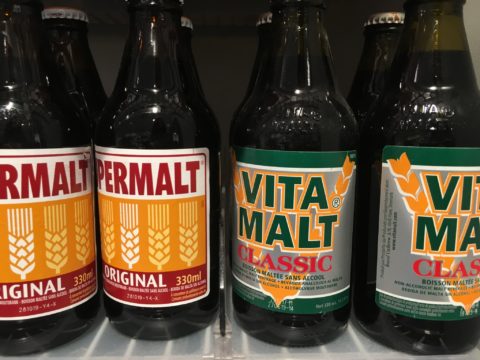
But Rick is willing to take a guess. “I speculate that it originated in Germany, where low-alcohol (and later alcohol-free) beers have been sold under brand names such as Malz, VitaMalz and the like for generations. VitaMalz may even have been ‘discovered’ in Freising as early as 920.”
Prohibition
He continues: “Dutch brewers are the only ones who adopted this terminology, and Bavaria was the first: because ‘malt’ is the raw ingredient and, I think, people were not yet ready to use the term ‘alcohol-free’. In English-speaking countries, we do not use the term malt beer at all: root beer is the American (original) version from Prohibition; everyone else talks about ‘alcohol-free beer’. I think the term stuck around because of the ‘health consciousness’ of the 1920s.”

An inquiry with Bavaria leads me to Henri Reuchlin, beer sommelier at Bierburo. And although he too has no ready-made answer, he also refers to drinks such as VitaMalz. “The first alcohol-free beers were dark, sweet drinks, essentially no more than boiled wort, without hops, or with only a very small amount. These drinks were generally consumed for their nutritional value, not as a substitute for pilsner. A brand such as Vitamalz is still on the market. There are undoubtedly more. Because these beers were literally malt drinks, they were called ‘malt’ or ‘Malz’. It would not surprise me if, when the first alcohol-free lagers came onto the market, this name simply carried over to beer without alcohol – without anyone explicitly seeking a connection with the malty character of the new beer.”
These days, we simply call the thing by its name: zero point zero. Sounds pretty tough too, right?
Read also:


