




10 basic skills every home cook should have
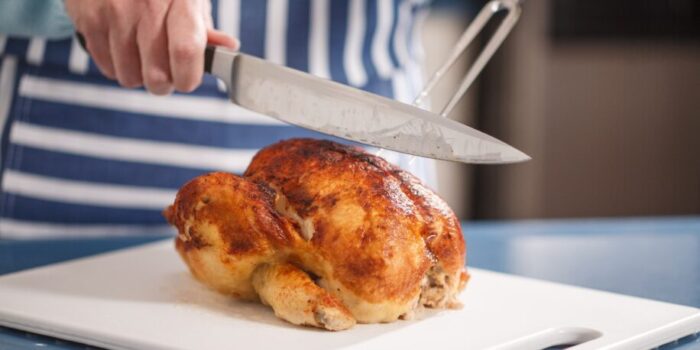
If you’ve only recently started taking cooking seriously (and by seriously we certainly don’t mean experimental molecular gastronomy, but simply that you enjoy cooking, or cook more often), you may sometimes feel a little overwhelmed by all the possibilities and techniques. That’s okay! With a little practice, it’ll all work out, promise. Did you know, for example, that Julia Child could barely cook an egg well into her thirties? So there’s hope…

Because of course, at some point it’s fun to talk about the best knives, or the best peelers, or swap sous-vide stories. But none of that is necessary to take yourself seriously as someone who actually can whip up something delicious. These are the things that are genuinely useful to know as a foundation:
Seek out good ingredients
If, before your cooking life began, you never looked twice at the supermarket aisles except for the five things on your list, now take the time to wander from one section to the next and really take in everything that’s available. Have a chat with the local butcher, fishmonger or greengrocer, and find out what’s available when and what’s truly in season. That’s how I discovered at the fish shop that they also had a stall at the nearby market, where they sold far more unusual types of fish than the same old cod and salmon. And that was good news, because I was particularly interested in what’s called bycatch: smaller fish that are less familiar to consumers, but would be a terrible waste not to use as well! Gurnard, hake, ling, whiting: all available at the market, but not to be found in that fancy shop. And at the market, they’ll happily clean them for you too…
The four elements in the kitchen
Learning how to use salt, acid, fat and heat in the kitchen—or at least gaining a basic understanding of them—is absolutely essential too. Read the book, watch the Netflix series. Samin is a wonderful storyteller with an infectious laugh and genuine technical expertise. It really makes you want to cook, because her buttermilk-brined roast chicken is unparalleled. The book description goes: “Once you master these elements—salt, which enhances flavor; fat, which generates flavor and texture; acid, which balances flavor; and heat, which determines the final texture—and everything you cook will be delicious.” In short: spend some time on this.
And now that you’ve done some preparation, it’s time to take the step into the kitchen. These are the basic skills every beginner home cook should have:
1. Know how to read a recipe
Yes, simply from left to right and top to bottom, of course, but it’s still good to know that the last line of the ingredients list probably won’t be the first thing you need during preparation. Get everything ready with an idea in your head of what comes when, so you’re not left wondering. And really read a recipe well in advance—if possible, the day before you want to make the dish in question. You don’t want to discover at step 4 that the meat was supposed to marinate overnight…
2. Know how to cook pasta
Yes, we do go on and on about cooking pasta, but once you can do it, you can put something delicious and different on the table every night of the week! Primavera, mushrooms, garlic shrimp—the world of pasta sauces is truly endless. Don’t forget that you almost always heat the cooked pasta briefly in the sauce, and that you should never thoughtlessly pour your pasta water down the drain.
3. Know how to cut or finely chop an onion
As we’ve written before, once you know the basic technique, you’re always off to a good start. The same goes for onions and garlic. And remember: a sharp knife is safer than a blunt one.
4. Know how to season
You season almost every savory dish with pepper and salt, and you should also learn that salt is indispensable in sweet dishes. And dare to experiment further: nutmeg adds depth and flavor to white sauces and bitter vegetables, smoked paprika gives soups and rice dishes distinctive warmth, and cumin is what makes Mexican dishes so distinctly their own. Give it a try!
5. Know how to roast vegetables in the oven
Because a baking sheet full of sturdy vegetables is a super-easy route to flavorful, crispy vegetables such as broccoli, sweet potato, Brussels sprouts, carrots and beets. First toss them well in oil, add the spices you were planning to try, and then let them roast at 180°–200° C.
6. Know how to make scrambled eggs
Much easier than poaching an egg, and with this technique you can definitely impress people too. Read our tips for the best scrambled eggs here and get creative with the extras: cheese (gruyère, cheddar, feta), vegetables (mushrooms, tomato, bell pepper), meat (cooked sausage meat, ham, chorizo) and fresh green herbs (parsley, thyme, chives). Pick your favorites and you’re done.
7. Know how to roast a whole chicken
Naturally, you’ll find the best chicken tips here too. Our Marcus Polman even wrote the Handbook for the Perfect Chicken! And Emma has quite a few tricks up her sleeve for the juiciest roast chicken. A whole roast chicken is truly the dish that requires very little effort from you, yet still looks fantastic on a beautifully set table.
8. Know how to cook rice
Because a steaming pot of perfectly steamed rice is honestly enough to make a whole lot of people incredibly happy. Okay, add an egg, sprinkle furikake on top and, if necessary, add some edamame beans for something green, and it’s completely perfect. And while you’re at it, learn how to cook quinoa too.
9. Understand when a toasted sandwich is all you need
Because those moments do exist—plenty of them. But then it has to be the most delicious, richest, cheesiest toasted sandwich there is. There’s plenty of variety to dream up! Toasted sandwiches with chicken, sauerkraut or eggplant… once again, the possibilities are endless. And remember that grated cheese is your friend here.
10. Sear fish or meat
When you put meat in a hot pan with oil because we told you to, it’s very tempting to move it back and forth because it’s splattering and sizzling and you’re afraid it will stick. Don’t! Leave it to sear properly, and when it’s ready, you’ll see that it comes away from the bottom easily. Only then should you turn it over, and repeat the hands-off approach on that side.
With these basic skills under your belt, and regular practice, you’ll see that before you know it you’ll feel more confident and capable at the stove. And you’ll be able to serve others something delicious—and believe us, that’s one of the best things there is.
Also read:
- What (star) chefs always have at home
- 7 British classics every home cook should know
- Which 7 French classics really belong in your culinary repertoire?
Source (in part): My Domaine


