


10 tips from chefs that will make you better in the kitchen
Chefs don’t just cook more deliciously than we could ever manage at home, they’re also an endless source of useful tips and facts that you can actually use at home. From an organized mise-en-place to the best way to peel ginger; thankfully, the list of advice just keeps on growing!

With these handy tips, you can work much more efficiently, and with some of them you’ll also be cooking very responsibly in terms of no waste.
Room temperature is a perfectly good temperature
Take fish or meat out of the fridge well before you’re going to fry or otherwise prepare it. Make sure it’s at room temperature when it goes into the pan, and pat it dry first. This prevents splattering and means a steak, for example, sears more quickly and effectively, which benefits the flavor and retains the juiciness.
Ork ork ork, peel your ginger with a…
Spoon. You can of course use a knife, but you’ll cut away many of the knobs, which is a shame. Give it a try: with the edge of a spoon, you can easily scrape the ginger clean.
Salt in your sweet dishes
You obviously already know this tip, because there are virtually no recipes for sweet baking that don’t also include a pinch of salt. But did you know that a pinch of salt can also come in handy in a smoothie? Especially if you make it with somewhat bitter vegetables such as fresh spinach, or—if you’re feeling hardcore—kale.
Stock
The truly clever cook uses stock not only as a base for all kinds of dishes, but also as a substitute for salt. Cooking rice or potatoes in stock immediately gives them a more layered flavor. And making Surinamese bami? Cook spaghetti with a few Maggi stock cubes.
Turn your spice drawer upside down
No, really, you need to take this seriously. I’m also guilty of hoarding dried herbs and spices, but as much as you’d like to believe otherwise, they don’t last forever. After six months, they’ve almost always lost their flavor. My tip? As soon as you buy herbs and spices, simply shake half of them into little bags to give to friends. Or are you the kind of person who can actually get through a mega jar of sumac in six months?
Egg opener
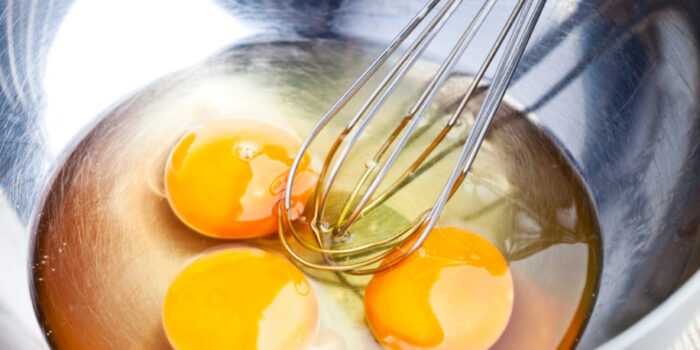
You’ve probably seen this tip here before, but chefs really are adamant about it: crack an egg on a surface such as your countertop instead of on the edge of the pan or bowl. This is supposed to prevent bits of eggshell from ending up in your food, but it does take some practice!
Coffee cubes
Leftover coffee in the pot? Freeze it in an ice cube tray! Great in iced coffees or coffee tonics, and this prevents the watery taste that ordinary melting ice cubes always cause.
Spice grinder
After giving your spice drawer a deep cleanse, it’s a good idea to invest in a simple little coffee grinder that you then use only for spices, not coffee beans. Once you’ve tasted freshly ground coriander or cumin seeds, you’ll never want the pre-ground version again.
Fatty, delicious bacon
This tip was confirmed once again: bacon is best cooked in the oven. Less hassle with splatters on your stovetop, and you’ll have burners and pans free for the rest of your brunch.
Non-slip
For your own safety (just like the always-sharp-knives tip), here’s some advice: always place a damp sheet of paper towel or another thin, damp cloth under your cutting board. This prevents the board from sliding around on a smooth countertop while you’re tackling that delicious roast chicken or that enormous pumpkin.
Also read:
- Come into the oven with us – culinary school in seven lessons
- These tips will help you make the most delicious baked potatoes
- Cleaning tips for your kitchen


