


10x these are the grossest delicacies ever
Oysters from Zeeland, a fresh stroopwafel from the market or a piece of aged cheese; these are just a few of the Dutch delicacies we massively enjoy. Every country has its own delicacies—but are they all equally tasty? With these delicacies, we still feel like pushing our plate aside…

Tastes differ; there is no arguing about that. We develop our taste at a young age, based on the flavors we know. What we consider delicious or disgusting is therefore completely different from, say, people in China. Fortunately, we can get acquainted with food from all kinds of places around the world. Still, there are many delicacies that lie far outside our comfort zone. Which of these 10 dishes would you dare to eat?
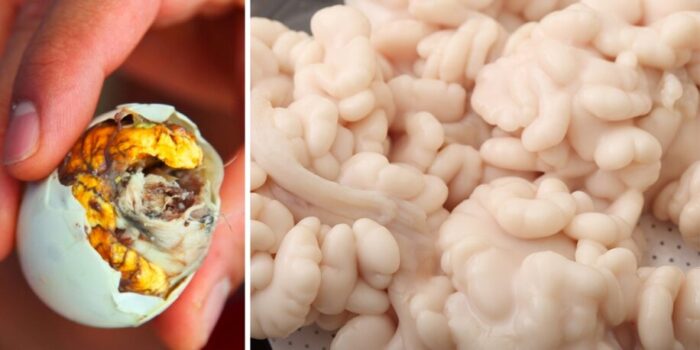
1. Shirako
Shirako is a Japanese delicacy known for its rich, fishy and creamy flavor. It is often eaten with, for example, sushi. What exactly is it? Fish sperm (usually salmon or cod). You eat the sperm together with the sacs in which the fish stores it. Want to try it sometime? It is usually quickly heated and served with Ponzu sauce.
2. Balut
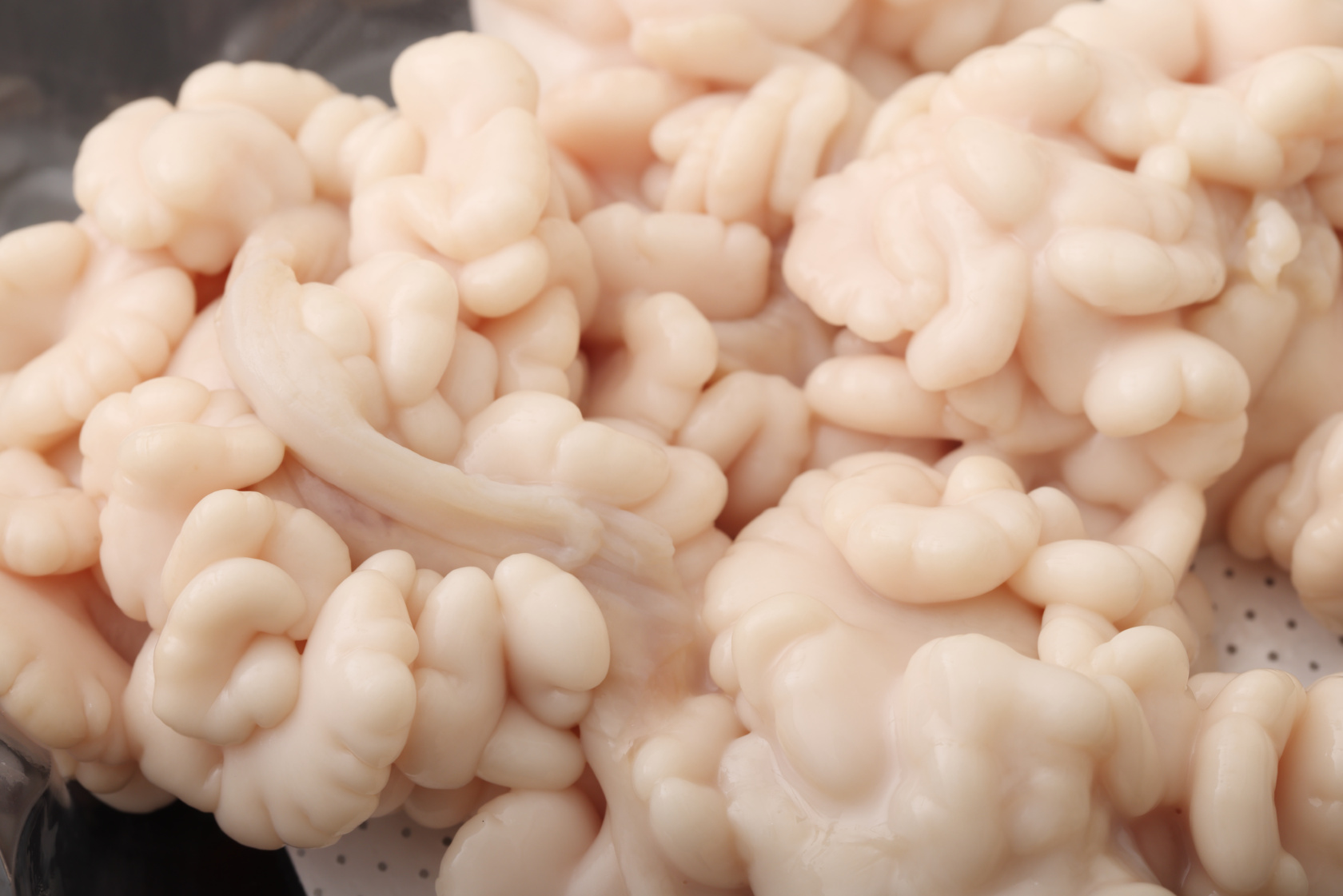
Balut is a somewhat better-known delicacy that is mainly eaten in Southeast Asia. It is a fertilized duck egg containing an almost fully developed embryo. The egg is boiled or steamed and can then be happily devoured. These eggs are supposed to increase the sex drive. I can think of more enjoyable ways to do that myself.
3. Kai Mod Daeng
Kai Mod Daeng is a Thai dish that can be translated as ‘red ant eggs’. Originally, this dish was mainly eaten during the summer. There is often little vegetable and water available then, but ants and their eggs are plentiful. By now it has become such a favorite that it is also eaten when there are no food shortages. It is packed with protein and vitamin C, and is supposedly good for your eyesight too. A healthy meal, then!
4. Casu marzu
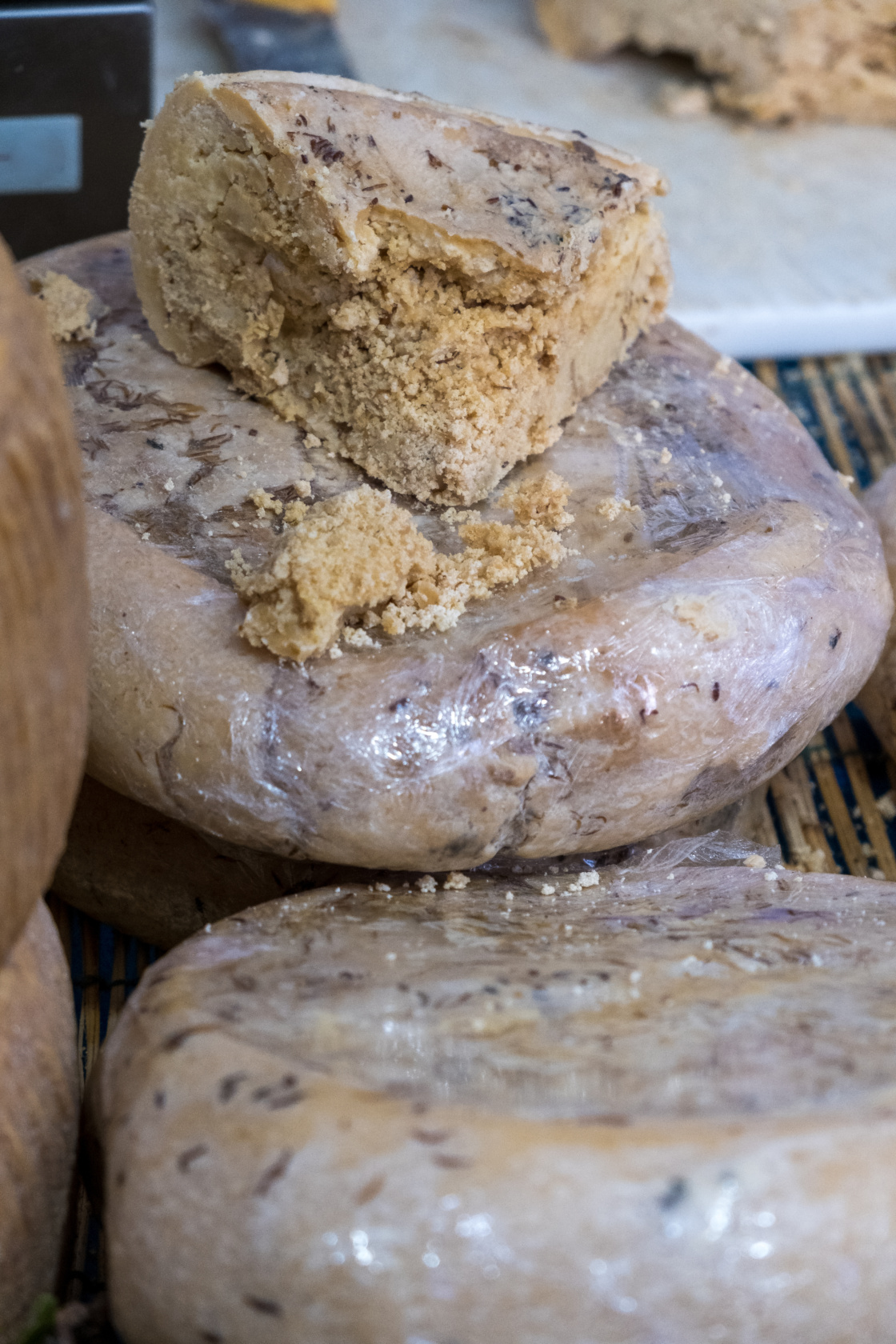
This dish can be found closer to home, but it has officially been banned by the EU. Nevertheless, farmers in Sardinia still regularly make this cheese for ‘personal use’. During the aging process, the cheese attracts cheese flies. Because there is no protective rind yet, they can easily lay eggs in the cheese. The larvae that hatch from these eggs eat the cheese from the inside and poop in it. This process creates the rotten delicacy Casu marzu, which also means ‘rotten cheese’.
5. Hákarl
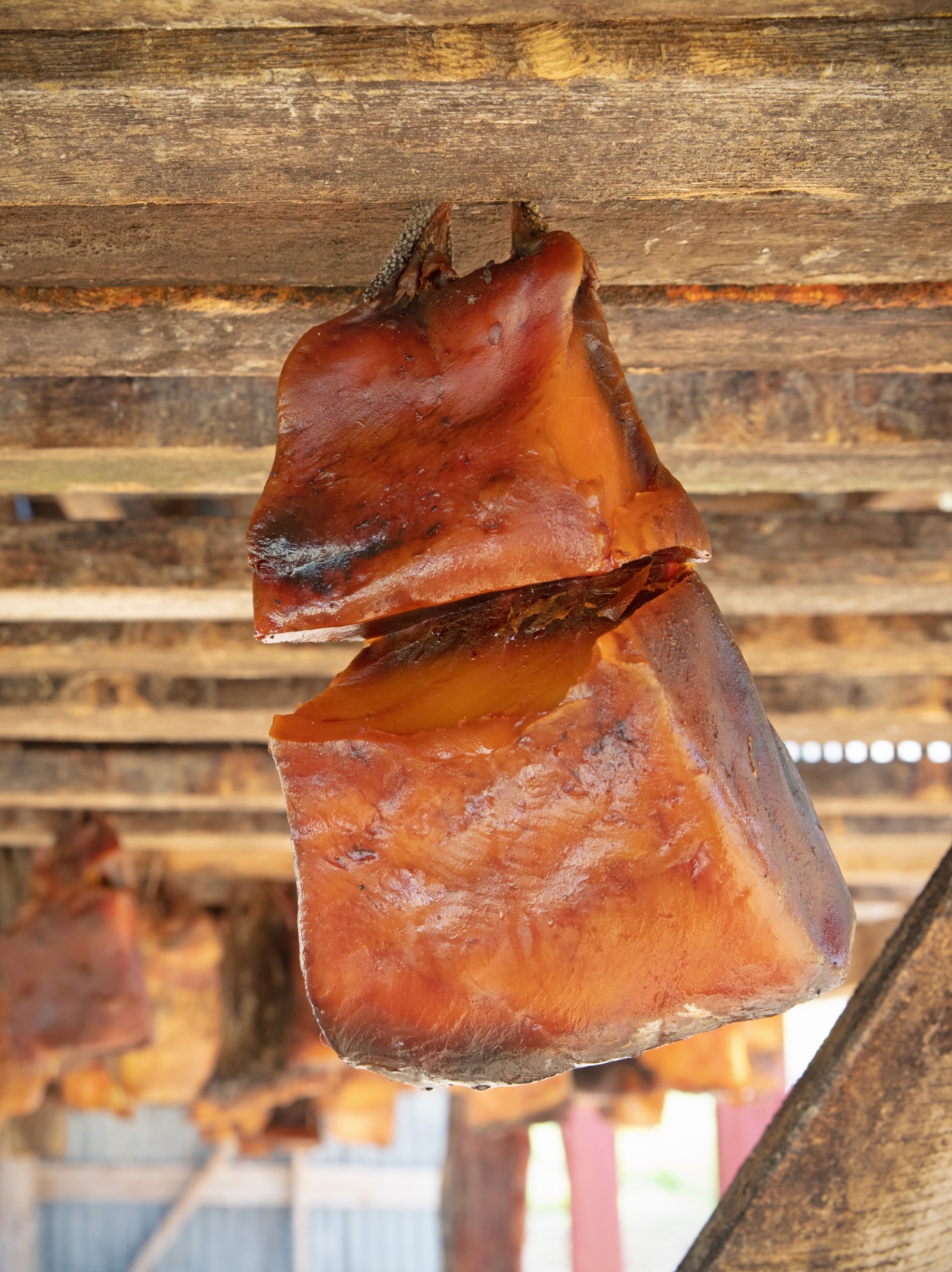
The Vikings who originally inhabited Iceland had to find ways to keep their food edible for a long time. One of these was burying food, as they did with Hákarl. Hákarl is decomposed shark carcass. The Greenland shark used for this is normally poisonous to humans. That is why the shark is buried under sand and rocks. The pressure drives out the toxic substances. The meat is then fermented for another 6 to 12 weeks before being dug up, hung and dried for several months.
When I was on vacation in Iceland a few years ago, I tried this dish. The smell coming from it is best described as an extremely strong urine odor. It tasted like incredibly strong rotten cheese, and I certainly would not recommend it. The best thing about this dish was the shot of alcohol to burn-clean your mouth afterward.
6. Tong zi dan
Tong zi dan translates as ‘boy egg’, more specifically, ‘virgin boy egg’. This bizarre dish comes from China and is mainly eaten in spring. It is supposed to help against arthritis and prevent heart attacks. How do you make Tong zi dan? Simple: you collect a pan full of boys’ urine, preferably from boys younger than 10, and boil the eggs in it. Enjoy your meal!
7. Baby mouse wine
You can find this dish in China and parts of Korea. Here too, the title says it all; the way this wine is made is extremely cruel to animals. Young baby mice whose eyes have not yet opened are thrown alive into a bottle of rice wine. Ten to fifteen mice are allowed to drown in one bottle. After the mice are added, the wine is fermented for at least 14 months. The flavor of the wine is described as gasoline. Not such a strange idea when you consider that there are 14 mouse corpses in the bottle. Originally, this wine was used as a tonic to improve your health.

8. Cobra heart
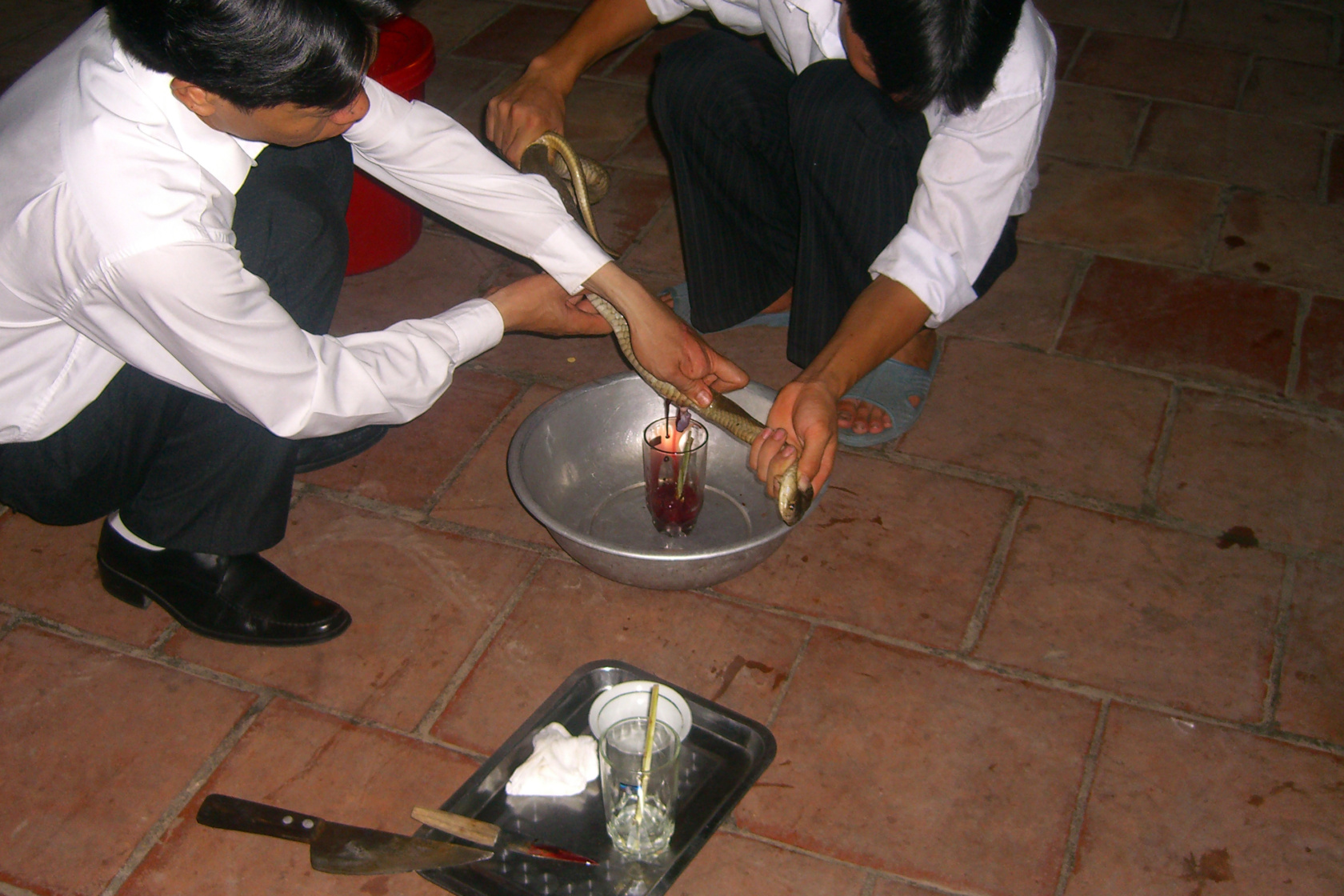
This dish is served fresh—so fresh that the heart is still beating when you eat it. You will mainly find it in Vietnam; the waiters have a dual role, because besides being experienced servers, they also have to handle snakes. The cobra is brought to your table alive. Once again, this entire process is not animal-friendly: the cobras are ‘kept’ in small cages for long periods until they are served. When the time finally comes, they are often made to perform a few tricks for entertainment before their necks are broken. Then the heart is located, the snake is cut open, and the still-beating little heart is tossed into a small glass of rice wine. After eating the heart, they dissect and prepare the rest of the snake, and you get to enjoy that too. Haven’t you been put off by this ritual? Then you need to hurry to your partner after eating, or look for a temporary lover, because this dish is supposedly an aphrodisiac. Not for me, at least!
9. Ptarmigan poop
In English, the phrase ‘eat shit’ is used to insult people. In Greenland, on the other hand, it is the most normal thing in the world. The droppings of the ptarmigan bird are considered a delicacy here. In Greenland, access to food is regularly limited, so the most unusual things can become delicacies. The bird’s droppings are collected in winter (in summer, they are much too mushy). Fortunately, the ptarmigan always poops in the same place, making collection relatively easy. Collected enough? Then it is boiled in rancid seal oil with pieces of seal meat. This feast is ready to be served.

10. Wild boar anus
Anthony Bourdain is used to tasting unusual dishes. His reaction to this one? ‘Worst meal of my life.’ The anus is made by pulling it out of the boar with about 30 centimeters of intestine still attached. The contents are squeezed out of the intestine, and then it is thrown (unwashed) onto an open fire. The ash and dirt that get onto it are part of the process. You might think this dish would be served well-done, but it actually has to be served al dente. Bon Appétit!
Read also:


