



Unbelievable: Norwegians are eating more and more whale
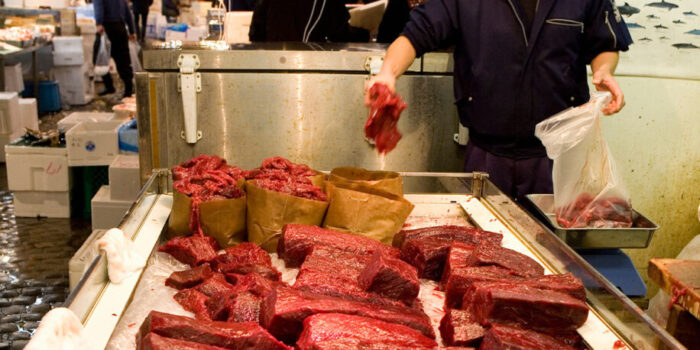
In March, people stockpiled toilet paper, packs of pasta flew off the shelves and flour was unavailable for weeks. In Norway, people have suddenly started buying much more whale since the Covid outbreak. Why? It’s nice and local, and incredibly sustainable, say the Norwegians.

The difference is clearly noticeable in a delicatessen in central Oslo. It used to be mainly tourists who shopped there, but since the virus, it’s mostly Norwegians themselves who get their groceries there. ‘People aren’t going on holiday or eating out, so they’re enjoying cooking at home. And yes, they’re buying whale meat,’ says the shop owner.
Bad image or sustainable
Commercial whaling was banned worldwide in 1986, but Japan, Iceland and Norway ignore that ban and simply continue hunting. This year, demand for whale meat in Norway was higher than supply, so the Norwegians even want to catch more. No problem, according to the Norwegian government. They say whale meat has an undeservedly bad image. They say whale meat is sustainable, because the whales are not endangered, according to them, and whales do not produce methane like the meat industry does.
500 whales in 2020
What does whale meat taste like? Oily and salty, according to connoisseurs. Most whale meat is smoked and salted. It is dark red and resembles smoked beef or smoked horsemeat somewhat, but with a fish-oil-like aftertaste. It doesn’t sound particularly appetizing, which could explain why demand for this meat has declined sharply in recent years. But since the coronavirus outbreak, whale has suddenly become popular on the menu again, at least in Norway. That is why 500 whales were caught and slaughtered this year, out of the more than 100,000 swimming in the Norwegian Sea and the Barents Sea.
Truly something for foodies
The Norwegian Fishermen’s Federation has even run a campaign to draw foodies’ attention to whale meat. The federation also emphasizes its sustainability: few food miles, quotas and the health benefits of the meat. There are more and more whalers in Norway, especially now that oil revenues are falling short due to the economic crisis and the government is making it easier to apply for hunting permits.
Whale carpaccio
Anti-whaling activists are not worried about the growing popularity of whale meat. Only 4% of the population likes it, and they don’t expect that to change anytime soon. Is that realistic? The shop in central Oslo now sells hot-smoked whale for making carpaccio, as well as dried whale ham. Extremely popular, according to the shop owner.
Read also:
- Just a question: why don’t we actually eat penguins?
- The algorithm decides: these are the latest food trends
- One chicken, three meals: smart, fast and sustainable
Source: BBC Food


