


25 types of pasta, because we can never get enough of it
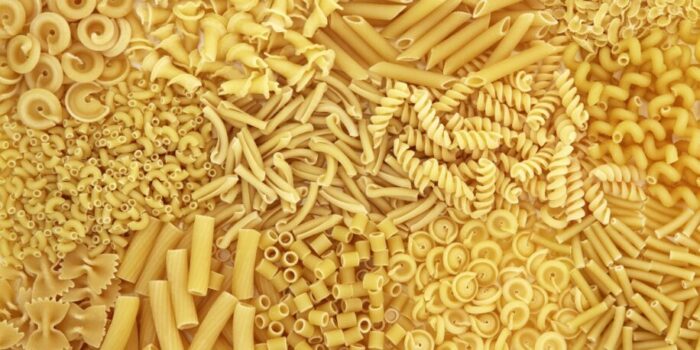

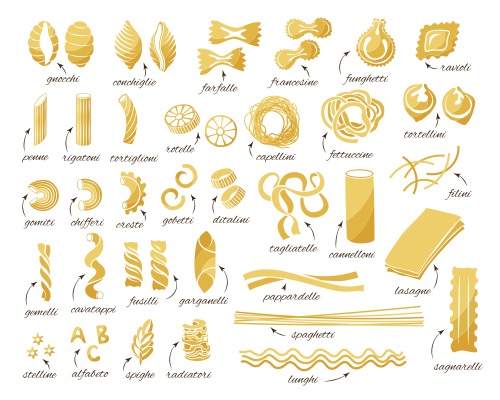
These are 25 incredibly good pasta shapes, each with their own characteristics and purposes. You can read here about which type of pasta goes well with which sauce. But first, feast your eyes on these 25 stars—and hopefully you’ll soon have a plate of one of these pasta varieties in front of you.
1. Trofie
Short, twisted pasta with ‘pointed’ ends. Typical of Liguria, especially when served with pesto genovese, the basil pesto from Genoa.
2. Ziti
Were you also a fan of The Soprano’s? In the series, one ‘baked ziti’ after another was brought to a brand-new widow, because, well, quite a few husbands met their end. Ziti is a short, smooth, tubular pasta, mainly used in deliciously gooey baked dishes.
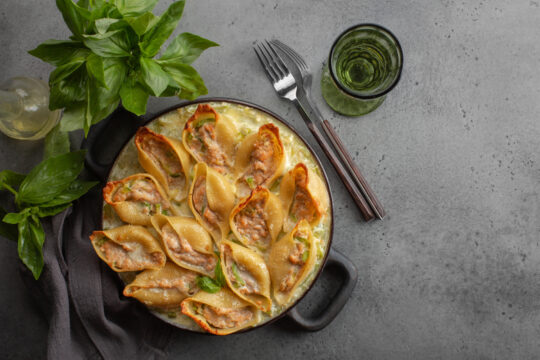
3. Conchiglie
Shells, in which an incredible amount of sauce can nestle. They come in small sizes, but also as beautiful giant shells.
4. Rotelle
Wheel-shaped pasta. Great for children, but adults love it too. A meat sauce, for example, can cling nicely to the space between the ‘spokes’. Love it.
5. Rigatoni
Penne’s straight-edged big brother, with straight ends instead of slanted ones and a larger size. Works perfectly with hearty, heavy sauces.
6. Paccheri
Rigatoni’s smooth brother. Without ridges, and often even larger. All kinds of delicious morsels can hide inside those big tubes—for example, fish or prawns.
7. Orzo
Very small pasta (did you know that very small pasta is also called pastina?) that looks a little like rice. Incredibly tasty with lemon sauce and chicken, or with artichoke.
8. Orechiette
This name means ‘little ears’. Cute, right? Great for spearing when you’re making a pasta dish with vegetables, for example with broccoli and crushed anchovies, garlic and chili pepper.
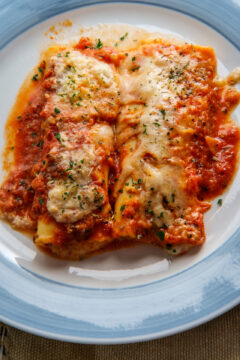
9. Manicotti
Manicotti are straight pasta tubes with ridges, large enough to easily fill a baking dish. Fill the pasta itself with a soft, cheesy filling, pour sauce over it and pop it in the oven.
10. Lasagne
Lasagne are the pasta sheets; the dish itself is called lasagna. Still the ultimate comfort food for many people. We were once served it in Italy with (quite a lot of) very thin pasta sheets, and it was unbelievably delicious and refined.
11. Gnocchi
Soft little pillows of dough, made with airy potato as well, and easily varied by using, for example, pumpkin. I like them as pure and fresh as possible, with crispy sage in brown butter—oh, so good.
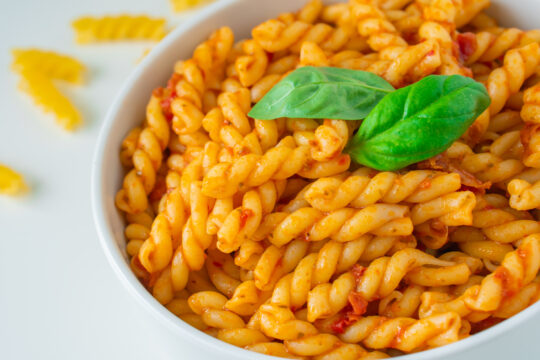
12. Gemelli
A kind of double-twisted strand. Not available everywhere, so you can make a nicely unique impression without spending much.
13. Ditalini
Very short, straight tubes. Easy to scoop onto a spoon, making them perfect for soups.
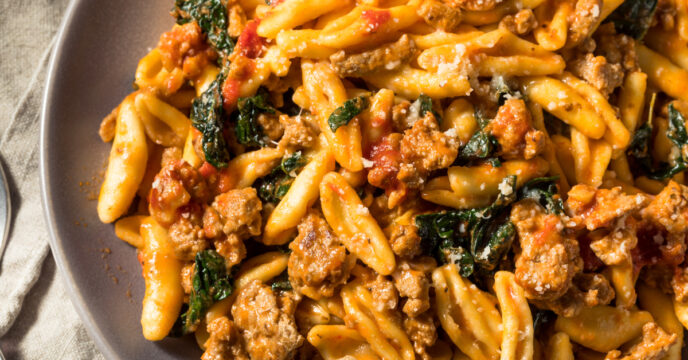
14. Cavatelli
They look a little like sweet, chubby worms—these soft, pillow-like pasta shapes. A traditional way to serve them is with broccoli and sausage meat, but they’re also irresistible with a good marinara (red) sauce.
15. Cavatappi
This looks a little like large, twisted penne pasta. A lovely groove and that gentle corkscrew shape ensure that virtually any sauce clings to it well.
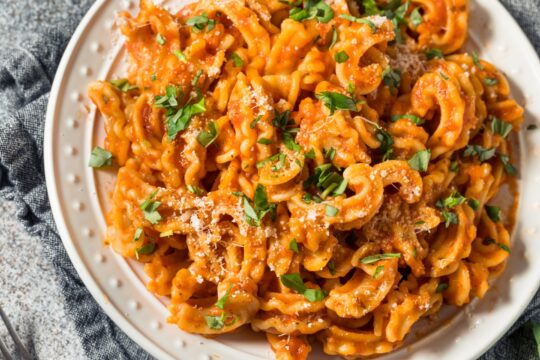
16. Cascatelli
This is a relatively recent American invention. Dan Pashman, the man behind a popular food podcast (The Sporkful), developed a pasta shape that would meet all his pasta requirements. The name means ‘waterfalls’, and they are arches with ruffle-like edges along a channel, where all the deliciousness can cling very well.
17. Bucatini
Bucatini is a kind of thicker spaghetti with a narrow tube running through the middle. Nice and substantial, making it a good match for heavier sauces.
18. Capellini
Very thin strands, as fine as ‘angel hair’. Not really sturdy enough for thick sauces, but delicious in light soups or a fresh cold pasta dish, for example.
19. Ravioli
Stuffed little pillows, also great fun to make yourself. There are countless vegetarian fillings to come up with, such as pumpkin and ricotta. Sage fried in brown butter is delicious with these too.
20. Agnolotti
When you fill fresh pasta with a meat filling, it is officially called agnolotti (and no longer ravioli). It doesn’t need much sauce at all, but a little good olive oil or butter is always welcome.
21. Linguine
Linguine looks a bit like spaghetti, but the difference is that linguine isn’t round: it’s a thin, flat strand with straight edges. Add vongole (or cockles) and you have an instant holiday feeling.
22. Fettuccine
After linguine, we’ll work our way through the increasingly wider shapes, starting with fettuccine. Another flat strand, often eaten with creamy sauces.
23. Tagliatelle
This flat strand is very familiar to us. In Italy, it is often served with a traditional meat ragù, and its sturdiness makes it perfect for the job.
24. Papardelle
Even wider than tagliatelle, these beautifully flat strands. Sometimes, for me, ‘the more pasta, the better’, and this lovely wide shape certainly delivers. Papardelle can also hold its own in heavier meat sauces.
25. Macaroni
Let’s end with this nostalgic classic. Surely this is also the pasta your grandmother used to make baked dishes with? And a good old Mac ’n’ Cheese still makes almost everyone happy.
Chef favorites
Curious about the favorites of real pros? Read here about the favorite pasta shapes of various top chefs.
Also read:
- 9 chef tips for the best, simplest pasta
- 5 pasta rules for perfect pasta
- These wonderful grandmothers can still teach us all a thing or two about pasta


