



4 food rumors you really shouldn’t believe (anymore)
There are plenty of food myths out there. Last time, we investigated whether you really get aroused by oysters and whether your stomach actually shrinks when you start eating less. This time, we continue debunking myths and investigate something involving grated cheese and umbrella handles, and squid rings and pig anuses. Ugh!

Plastic Parmesan cheese
In the 1960s, an Italian man was supposedly convicted of food fraud. The man allegedly didn’t make his Parmesan cheese from cow’s milk, but from grated umbrella handles. Not literally just grated plastic, no—he supposedly used the binding agent that held the ground waste together, like the material also used in umbrella handles. Believable story? Not really. And an Italian can probably taste the difference between real Parmesan cheese and one containing plastic…
Human hair in bread
Human hair processed into supermarket brown bread? Not in the Netherlands. L-cysteine is an ingredient bakers add to their dough to make it more pliable, and it can be extracted from human and animal hair. Fortunately, the stuff can also be obtained from plant-based sources. That’s the version bakers in the Netherlands use.
Car wax in candy
‘Candy owes its shiny coating to car wax.’ True? No. Candy manufacturers don’t add chemical wax to their sweets. So how does that gummy candy get so shiny? Through beeswax or carnauba wax. Carnauba wax comes from the leaves of the carnauba palm. Among other things, this wax is also used for other food products, medicines and… car wax!
Squid rings made from pig anus
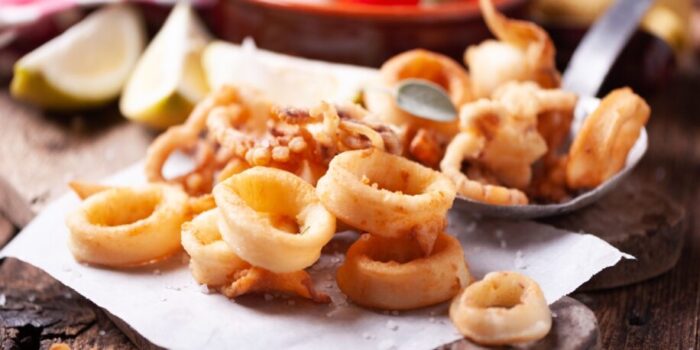
Calamari isn’t squid at all, but a pig’s anus. Uhhh, what? This rumor surfaced several years ago after CDA Member of the European Parliament Esther de Lange said during a presentation on food fraud that she only ate squid rings by the sea because elsewhere they were supposedly often made from pig anus. However, the research report on the fraud didn’t mention squid rings even once, let alone pig anuses. So this story is complete nonsense too.
Read also:
- 5 wine myths you really shouldn’t believe
- 6 myths about washing the dishes that are complete nonsense
- 5 coronavirus food and drink myths
Source: Quest


