


6 bizarre food lawsuits from 2022
That there are manufacturers and producers who try to make reality look a little better than it really is to sell their products, that’s a given. In the Netherlands, food watchdog Foodwatch annually awards the Gouden Windei to the product and maker who have most misled consumers with unfounded claims about how great or healthy their product is. Even so, we Dutch people are less inclined to sue manufacturers over food-related issues. In America, things are different…

Because before you know it, you’ll have a hefty lawsuit on your hands in America, and last year there were also quite a few bizarre lawsuits involving food and drink. Not all the ‘victims’ were successful, by the way, but what do you think? Did these people have a point, or are they being incredibly dramatic? And yes, misleading packaging – we do get worked up about that sometimes too. But climbing straight to the highest legal tree: who has time for that?!
1. Cowboy ‘Texas Pete’ comes from somewhere else entirely
This hot sauce called Texas Pete is not produced in the Lone Star State but in North Carolina, and that did not sit well with consumer Philip White. Although the back of the packaging and the website clearly state that the sauce is produced and bottled in North Carolina, White claimed that if he had known this, he would have bought a different sauce. (The outcome of this case is not yet known.)
2. Smoked almonds that never saw any smoke
A smokescreen, according to a customer from Chicago, is what nut and snack company Blue Diamond supposedly put up to mislead her. She was apparently furious because the front of the package says ‘Smokehouse’, while the ingredients list shows that only ‘smoke flavor’ is involved. According to angry Margo Clark, these nuts do not deserve the name Smokehouse, and on top of that, the colors red and orange are used, which, for goodness’ sake, ‘evoke an association with fire’…
3. Burgers schmurgers
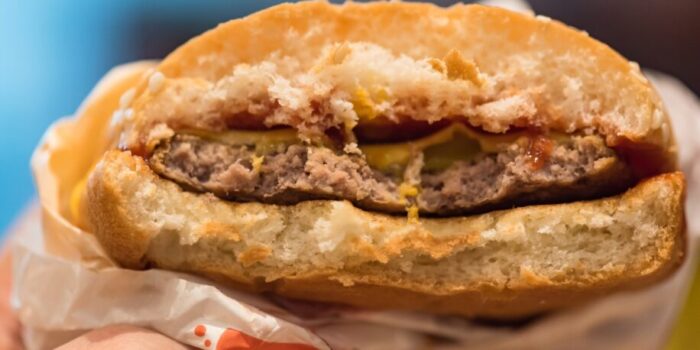
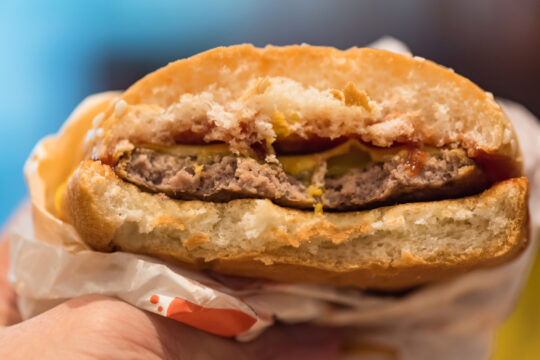
Justin Chimienti had had enough of his fast-food burger never looking like the ones in the photos that major fast-food chains show off, and filed claims against McDonald’s and Wendy’s. The claim alleges that these companies photograph their burgers while the meat is not yet fully cooked, making the hamburger patties look much fuller and larger – by as much as 15 to 20 percent. The prosecutor called this tactic ‘unfair and financially damaging’. A similar claim was filed against Burger King over the past year.
4. Strawberry-free Pop-Tarts
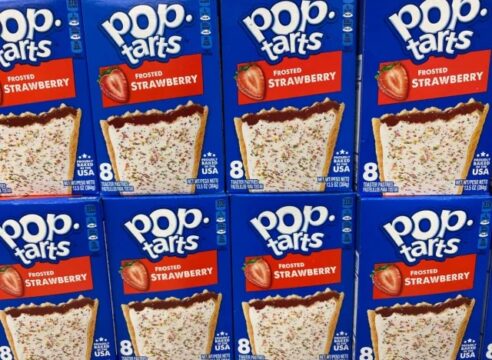
Have you ever tried Pop-Tarts? They are peculiar pastry products with a thick, liquid, sweet filling in various flavors and a layer of frosting on top (which, bizarrely enough, does not melt), and you heat them in a toaster. Nothing, absolutely nothing, about these pastries could create the illusion that they are healthy, yet some people feel cheated when it turns out that the strawberry variety contains no real strawberries. According to these people, replacing strawberries with apples and pears as the filling (to which strawberry flavoring and flavor are then added) is much less healthy. We think it is downright crazy to expect any healthy element in these factory-made pastries in the first place. A New York judge apparently agreed, ruling against an angry customer.
5. Hot coffee
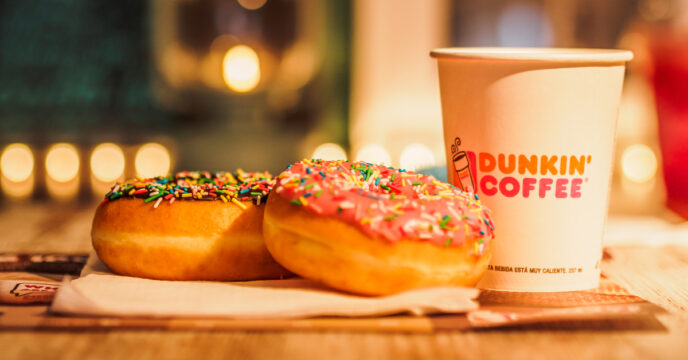
A married couple in New Jersey sued Dunkin’ Donuts after they got coffee from the drive-thru and the husband subsequently spilled it in his lap. The complaint stated that the man had suffered serious injuries, including mentally. His wife, moreover, had to do without her husband’s support and: marital relations as a result. Ouch…
6. Misleading box
Packaging that contains more air than product – we know it, and sometimes the examples are hilarious (and brazen on the part of the makers). Yet a judge did not rule in Leroy Jacobs’ favor when he sued supermarket chain Whole Foods because a box of rice supposedly contained too little rice: the ‘oversized’ box would make it seem as though it contained more rice than it actually did. No, said the judge: the number of servings stated on the packaging was indeed correct, and a ‘reasonable consumer would not necessarily immediately associate the size of the box with the amount of product inside it’.
Source: Eat This
Also read:
- Fast-food packaging contains life-threatening PFAS
- No longer available: Nicolette van Dam’s misleading vegetable sweets
- 8 ways food packaging seriously tricks you


