



Are wooden spatulas unhealthy?
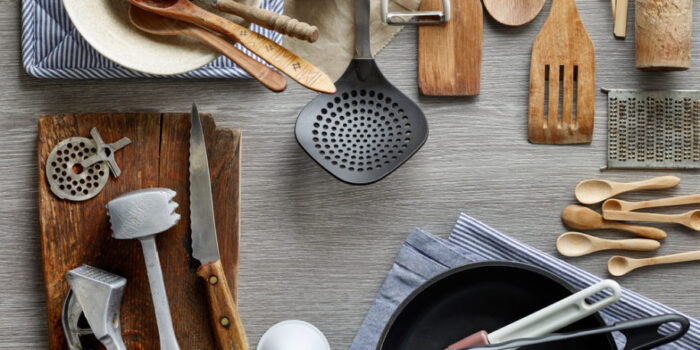
Strong enough for the thickest batter, yet gentle enough not to damage non-stick pans, resistant to heat and cold, and even if they’re standing in a hot sauce, you can simply pick them up: wooden spatulas are great. But what about bacteria? Are those wooden ladles actually hygienic?

In the nineties, everyone suddenly got the creeps about wooden spoons, and wooden bowls and cutting boards also had to pay the price. Those wooden fondue plates from the seventies? Apparently, they were ritually burned in the nineties in the name of hygiene. Because wood is porous, so bacteria can get into the spoon, right? And if you then swirl your wooden spoon through a sauce again or stir the soup with it, or eat something from a wooden board, all those bacteria will get into it, won’t they? Don’t worry, it’s not that bad.
Wooden spatulas: oil and moisture in the spoon
Yes, wood is porous. Oil and moisture from food soak into the wooden spoon: if you’ve ever stirred a curry with a wooden spoon, you know you can’t simply get that turmeric-yellow colour off. But scientific research shows that these liquids remain in the wood and are not released again. Any bacteria cannot multiply and eventually die.
Just wash them in soapy water
To make sure you get rid of those bacteria, simply clean wooden spatulas and spoons in hot soapy water after use. If you’re a bit germ-conscious, you could disinfect the spoons and board in hot water with a little bleach, but it isn’t necessary.
The dishwasher is the enemy
The dishwasher is not such a good idea for wooden kitchen utensils. The hot air at the end of the dishwasher cycle in particular is bad for the wood: it dries it out, which can cause cracks in cutting boards, spoons and spatulas. And those cracks, yes, can become a breeding ground for all sorts of unpleasantness if you’re not careful. Do you see small cracks or splits in the wood? Throw away the board or spoon and simply buy a new one. If you want to take extra good care of your things, wash wooden boards, bowls and spoons by hand. A tip from the experts: if a wooden spoon or board becomes faded and starts to look a little rough, you can rub it with some oil. And if you really don’t dare use those wooden items? Silicone spatulas work just as well.
Also read:
- The dumbest reactions from restaurants to food poisoning
- These kitchen tools should be replaced every year
- Why you should clean your water bottle much more often than you do


