




Bizarre: children’s fruit in supermarkets turns out to be heavily contaminated with toxic substances
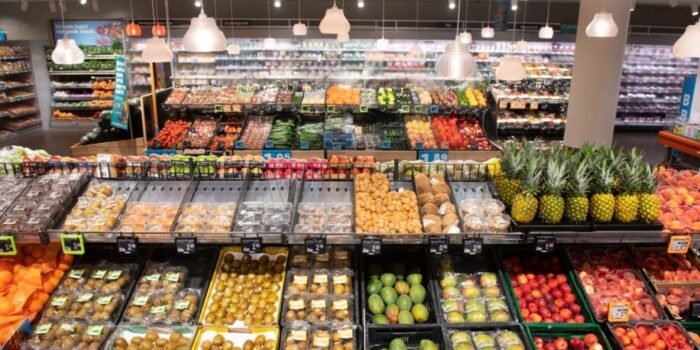
Unbelievable. Children’s fruit and raisins in supermarkets are still heavily contaminated with toxic substances. A large-scale investigation by food watchdog Foodwatch has revealed this. It is the organisation that earlier this week also presented The Golden Wind Egg to Blue Band. Foodwatch made the shocking discovery after analysing data from the Netherlands Food and Consumer Product Safety Authority (NVWA).

You may be thinking: children’s fruit? I don’t see any fruit with smileys and cheerful Studio 100 characters on it in the supermarket? And is there such a thing as adult fruit? It refers to the fruit most commonly eaten by children. Apples are in the clear number one spot, followed by bananas, oranges, pears, grapes and mandarins. Strawberries, kiwis, peaches and apricots complete the top 10 children’s fruits (according to Foodwatch). 94% of the measurements carried out by the food watchdog showed the presence of toxic substances in children’s fruit. Strawberries, grapes, oranges and mandarins in particular appear to be seriously contaminated with pesticides.
Extremely contaminated grapes and raisins
Grapes turned out to be truly extremely contaminated in 2022. 97% of the grapes examined contained agricultural pesticides; on average, the NVWA found 5.9 pesticides per grape measurement. Unbelievable but true: one measurement even found 35 different types of toxic substances. That is a deeply unfortunate record, because such a large cocktail of toxins had never been found before in a grape measurement. Where were these little poison bombs on the shelves? At Albert Heijn. Lidl (34 and 33 toxic substances), Jumbo (34 and 25 toxic substances) and ALDI (25 toxic substances) also failed to come out well in various measurements.
Raisins also turned out to be full of toxic substances in 2022. This had already emerged from an investigation by Radar last year. Measurements showed that this dried grape variety contained an average of 18.3 pesticides. ALDI took the dubious crown here: one measurement found no fewer than 30 types of toxic substances. Remarkably, the NVWA only carried out 6 measurements on raisins this year. According to Foodwatch—and rightly so—that is far too few and therefore incomprehensible. They have been drawing attention to the high pesticide figures for raisins for years.
Acute health risks
Why Foodwatch is staying so closely on top of this is clear: these toxic substances are not good for your health. Some of the toxic substances are known to be (potentially) carcinogenic, mutagenic, harmful to reproduction, endocrine-disrupting or illegal. The fruit measurements even found an acute health risk for children 10 times. Eight times in grapes, once in peaches and once in oranges. Five of these cases involved grapes sold in supermarkets.
You would think this fruit would be removed from the shelves immediately. But here is the shocking part: 7 cases went unnoticed because of outdated legal standards. These are legal standards that the NVWA is permitted to enforce. It is therefore quite possible that health standards were exceeded, while the old NVWA standards were not. The consequence: the contaminated fruit probably simply remained on the shelves. That is, of course, completely absurd. “It is scandalous that it can take more than a year for tightened health standards to be translated into legal standards. As a result, acutely toxic fruit for children is available in supermarkets without being detected by the NVWA,” says Foodwatch campaigner Anke Bakker.
Supermarkets and government: do something!
You think you are giving your child a healthy piece of fruit, only to discover that it is heavily contaminated with pesticides. Not healthy at all, then. That should not be possible. Foodwatch is calling for change. Supermarkets should set standards that go beyond the legal minimum themselves, as long as the current law does not yet provide sufficient protection for customers. The food watchdog advocates for “a maximum of five residues per product, no breaches of legal and health standards, and no use of high-risk and illegal substances.” In addition, the government must—of course—take action. In 2023, it wants “virtually no residues on agricultural and horticultural products from 2023 onward,” but even a child can see that this target is nowhere near being met. Adjust the legal standards and stay on top of reducing agricultural pesticides. Make fruit what it is again: healthy!
— correction — Earlier this week, Foodwatch published its annual analysis of pesticide residues on fruit. In it, they reported that large amounts of toxic residues had been found on grapes. It has now emerged that the NVWA incorrectly classified products as grapes in 23 cases in the dataset supplied to it, when they were actually raisins. This also applies to the sampled product at Albert Heijn with 35 types of toxic residue. These errors in the dataset affect the analysis and conclusions of Foodwatch’s report. Foodwatch regrets this situation.
Read also:
- RIVM warns: we are taking in too much of the unhealthy substance PFAS
- Keuringsdienst van Waarde investigates: why are raisins so much cheaper than grapes?
- Why you are better off washing and cutting your own vegetables and fruit
Source: Foodwatch, image: Albert Heijn


