



Cooking in a tagine: this is how you do it
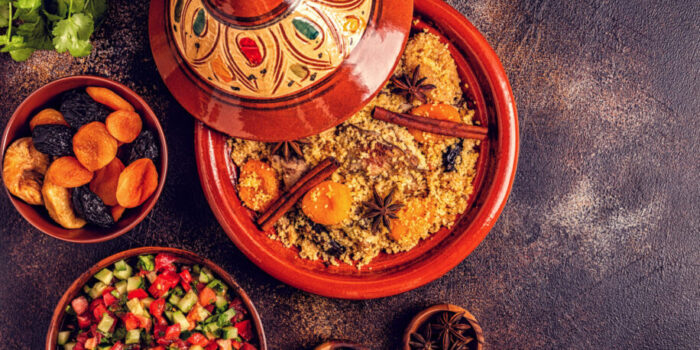
A tagine is both the name of the cooking vessel and of the dishes prepared in it. It is a very well-known way of cooking in the North African cuisine and is an important part of the culinary traditions and culture of that region. The social aspect of sharing a tagine is inseparably linked to its charm: people eat directly from the pot and respect each other’s ‘zone’ while dipping with bread. Hakim Chatar: ‘Or my mother told me that so my brothers and I wouldn’t argue among ourselves.’

Originally, tagines were made from clay. This material has unique properties, including retaining and distributing heat evenly. Modern tagines are now mainly made from more durable materials such as cast iron. This makes them somewhat more versatile and, above all, longer-lasting. Hakim Chatar explains how to get the most out of your tagine—make the most of his advice!
Juicy and tender dishes from the tagine
The conical lid of a tagine ensures the slow and even circulation of steam during cooking. This results in juicy and tender dishes. A fancy steam oven avant la lettre, in other words. The days when artisanal tagines were available exclusively in North Africa are behind us. In the meantime, they have become hugely popular and are sold in all kinds of shops: from traditional markets to modern (electrical) stores and supermarkets. You can find them in all sizes, materials and price ranges. My tip: don’t buy one that’s too expensive. Look for a Moroccan shop near you or go to an import store. They offer good tagines at a reasonable price. If you have an induction hob, you’ll have to dig deep because you need a cast-iron version.
PS If you don’t have a tagine, don’t put yourself to unnecessary expense. A deep pan or Dutch oven works just fine too. But… it’s not quite the same!
Stacking
In traditional Moroccan cuisine—and especially in tagines—ingredients are often stacked on top of one another before cooking. This allows the flavours of the different ingredients to blend well while everything slowly cooks under the tagine’s conical lid. This technique retains the moisture in the dish and creates a rich, concentrated flavour. After stacking the vegetables, herbs and spices are added to enhance the flavour further.
The tagine then simmers over low heat until all the ingredients are cooked. This creates a delicious dish in which the flavours of the vegetables and herbs are perfectly blended.
Onions first
Using onions as the first ingredient when preparing dishes in a tagine is common practice in Moroccan cuisine, and it has several reasons:
Flavour
Onions contain natural sugars that caramelise during cooking, creating a deep, rich flavour. By frying onions first in the tagine, you build a strong flavour base that enriches the rest of the ingredients. Frying onions in oil or butter creates an aromatic base that enhances the flavour of the other ingredients in the tagine.
Texture
Onions add not only flavour but also texture to dishes. By frying onions until they are soft and lightly browned, they develop a silky texture that pairs well with other ingredients.
Tradition
Using onions as the first ingredient when preparing dishes in a tagine is the way to do it in Moroccan cuisine, so that the layers on top do not stick to the tagine. It is part of Morocco’s culinary traditions, and it gives your tagine an authentic taste.
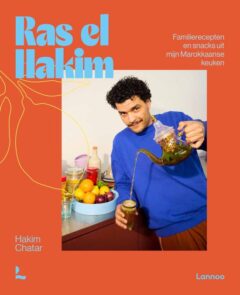
Title: Ras el Hakim
Author: Hakim Chatar
Price: €27,99
Publisher: Lannoo
In the cookbook Ras el Hakim, Hakim Chatar invites you into his kitchen, where the essence of Moroccan and North African cooking blends with a touch of Flemish flair. From meatballs to fresh bread and warm almond cookies, with each recipe Hakim transforms a few simple ingredients into a feast to share with friends and family.
Read also:


