



Dog meat finally banned in South Korea
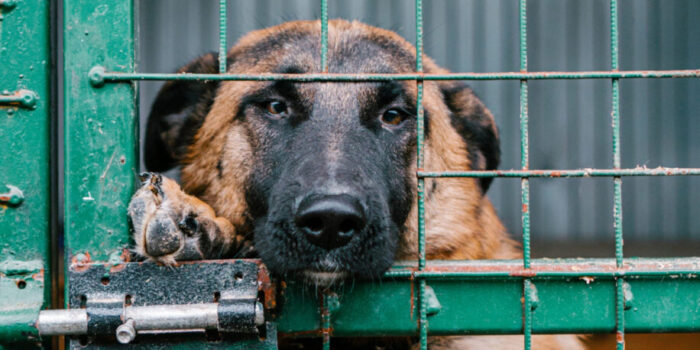
An important and remarkable day in South Korea: today, a bill was passed that will finally ban the consumption of dog meat. This will come into effect in 2027, meaning that dog meat will no longer be available for sale in South Korea. This bill is the result of a long period of mounting criticism of dog meat consumption, particularly from young South Koreans.

In South Korea, dog meat is especially popular among older people; young people increasingly voiced their disapproval. Other countries also expressed their criticism, including the Netherlands. At the end of December, we welcomed a South Korean state visit, and First Lady Kim Keon-hee met, among others, Floris Göbel, who showed her everything about animal welfare in the Netherlands and how we approach it.
More focus on animal welfare
The plan was already in place to pay more attention to the welfare of dogs in South Korea, which is why they wanted to know how other countries dealt with it. Kim Keon-hee had already been openly opposed to eating dog meat for some time and had spoken out strongly against it on several occasions, as had her husband, President Yoon Suk-yeol. Together, they have also adopted several animals at home: they now have six dogs and eight cats.
Now for the figures: how widespread is dog consumption in South Korea? There are currently around 1,100 farms where dogs are bred for consumption, and approximately 1,600 restaurants where it appears on the menu. By 2027, these numbers will therefore have to be zero; otherwise, offenders risk a prison sentence of up to three years or fines that can reach almost €21,000 (30 million won).
Financial compensation
People working in the dog industry will receive financial compensation so that they are not suddenly left without an income. Logically, the industry is absolutely not pleased with the passing of this bill and has protested against such measures from the outset. Remarkably, they are willing to acknowledge the industry’s demise, but they do not want a ban: because of dog meat’s declining popularity in recent years, they would rather see the industry die a ‘natural death’ than be banned. This is because most breeders and restaurant owners say they are too old to change professions. Hopefully, the promised financial compensation will help with this.
‘We have reached a turning point in sparing the lives of millions of dogs in this cruel industry,’ says Borami Seo, a member of an animal rights organisation in South Korea. In recent years, the love of animals has increased enormously in the country; more and more people are keeping dogs and cats as pets instead of eating them as a dish. Incidentally, eating dogs is still legal in Vietnam, Indonesia and China — and the latter country has by far the largest dog industry. Unfortunately, a ban in China does not appear likely for the time being.
Appalling conditions
And that is a great shame, especially because the conditions in which the dogs are bred and slaughtered are appalling; they live in tiny cages in unhygienic conditions. Moreover, because dogs are carnivores, they are fed extremely poor-quality dog meat. Slaughtering is usually done by electrocution, and several electric shocks are needed to kill them, causing the dogs immense suffering.
On some farms, things are even worse: at the customer’s request, a dog may be beaten to death in order to make the meat more tender. If you would like to know more about what goes on at these farms, click on this link. There were zero votes against the bill, which is of course good news — hopefully, several more countries where it is still legal will follow suit.


