


€6 for a cauliflower?! This is why vegetables are so insanely expensive right now
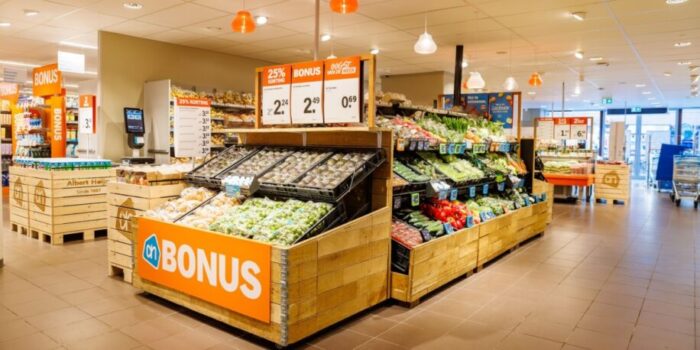
Yes, you read that right. Anyone walking into a greengrocer’s shop now may well see cauliflowers selling for €6. In the past (in the good old days), you could probably buy 6 for that price! Where does this bizarre price come from?

We know we’re living in times of inflation. Over the past few months, we’ve had to pay more for just about everything than we did the year before. Beer is getting more and more expensive, an evening of gourmetten was already unaffordable in December, and just last week we discovered that supermarket pizzas have risen dramatically in price. Yet the huge increase in vegetable prices has a specific cause, according to investigations by RTL Nieuws and Radar.
Failed harvests in Spain
Here in the Netherlands, we see all kinds of vegetables in the shops throughout the year. Even when they are actually completely out of season. Fancy courgette in winter (perhaps these grilled courgettes with warm yoghurt and saffron butter)? No problem: they’ll be on the shelves at the supermarket around the corner. Out of season, they are brought in from other countries, largely from Spain. But the harvest there has not gone well at all this year, to put it mildly. The cause? Bad weather. Summer was extremely hot and dry, followed by severe frost in winter and then rain. The result: fewer cauliflowers, aubergines, tomatoes, peppers and cucumbers, and higher prices for whatever is still available.
Sky-high energy prices for growers
That also explains why the supply of these vegetables in supermarkets is now so scarce. Quite simply, there has not been enough imported from abroad this year. So, are no tomatoes and cauliflowers grown in the Netherlands at all? In greenhouses, for example? Yes, but far less than usual. Sky-high energy prices are also hitting growers, leaving many greenhouses empty. Such a waste.
The solution: eat what is in season
Fortunately, the weather in Spain has improved by now. Still, it will take a while before vegetable exports and imports get back up and running. It takes time for the vegetables to ripen. They then still need to be harvested, packaged and shipped, which also takes time. So it is difficult to say how long the shortage (and therefore the high prices) will last.
What can you do in the meantime? Eat as many seasonal vegetables and vegetables grown locally as possible. Now, in winter, leeks, kale, sauerkraut and parsnips are widely available. They have not become much more expensive at all—and they’re incredibly tasty! For example, make a classic kale stamppot or an extremely delicious sauerkraut pie with Indonesian-style minced meat. See? You don’t even need those cauliflowers.
Read also:
- 9 ways to save money even as the supermarket gets more and more expensive
- 10 of the best tips and tricks for saving money on food
- Wow: eggs in America are bizarrely expensive right now
Image: Albert Heijn, source: RTL Nieuws and Radar


