



Etiquette expert gets it wrong: the plate for the neighbors isn’t leftovers
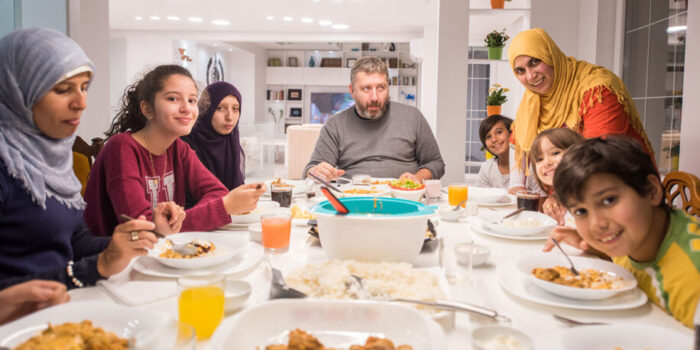
‘Those plates of food are leftovers; you don’t have to do anything in return.’ That was the advice etiquette expert Beatrijs Ritsema gave the 57-year-old man who asked how he could thank his Syrian neighbors, who regularly bring him a plate of food. But Beatrijs is quite wrong, judging by the reactions online.

In Syria, sharing delicious food with the neighbors is customary. ‘When someone cooks a special meal, everyone who has smelled it is welcome to join,’ Syrian caterer Omar Sbeini tells Trouw. And Omar certainly doesn’t put the leftovers on a plate; he gives away the best parts of the meal. Viewed in that light, etiquette expert Beatrijs Ritsema is completely wrong in her advice.
‘How can I thank them?’
Ritsema has a weekly column in Trouw, in which she gives advice on etiquette-related questions to people who send her a dilemma by letter. This week’s question was: how can I respond to the Syrian neighbors who regularly bring me a plate of food? ‘They told me this is an Arab custom for welcoming new residents. Naturally, I think it’s very kind and really lovely. The only problem is that I don’t really know how to thank them or do something in return,’ writes the Trouw reader.
Leftover disposal
Beatrijs dismisses the whole idea of gratitude. She writes: ‘In Arab culture, people are used to preparing a lot of food. Often much more than the people at the table can eat. Delivering a plate of food to the neighbors is a form of leftover disposal. In any case, it is not something the lady of the house has made an extra effort for and that should lead to great gratitude on your part.’
Beautifully decorated plate
Oof, that hit a nerve. Facebook and Twitter were flooded with reactions from people who know better. People wrote that food for guests is given a great deal of attention—sometimes even more than the plate prepared for the family itself. Ami Sakka writes on Facebook: ‘Someone needs to tell Ritsema that we prepare the plate we give to the neighbors with much more care and effort than our own food. My mother decorates the plate we give to the neighbors much more than the plates we put on our own table.’ Caterer Omar explains: ‘The prophet teaches us: “You do not have faith if you have food and your neighbors do not.” That is why we must always be good to our neighbors, whoever they are.’
Just give them an oliebol
Beatrijs responds to the criticism in the newspaper: she was misunderstood. She did not mean leftover disposal in a derogatory way, but emphasized that people often cook too much. And she still stands by her advice to offer the neighbors some typically Dutch oliebollen or a speculaas cookie sometime to thank them. ‘I think gratitude is a big word for a plate of food the neighbors bring over, unless the recipient is starving.’
Don’t rub salt in the wound, Beatrijs, because this response only makes things worse. Fortunately, Facebook is more gracious than Ms. Ritsema, as shown by Ami Sakka’s response: ‘I hereby invite Rietsma to visit me in Rotterdam for a cup of coffee and a conversation about our traditions and culture. It is a serious and heartfelt invitation.’
Read also:
- Etiquette for sharing food
- To drink or not to drink: what is the etiquette for that bottle of wine someone brought along?
- 7 common pasta mistakes


