


Fill your Korean pantry like this
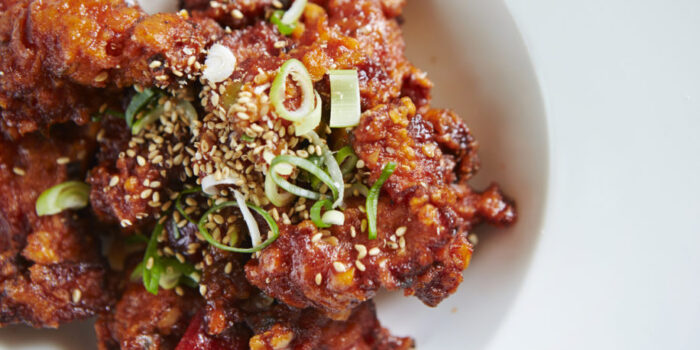
Korean cuisine is on the rise. In cities like New York and London, Korean eateries are springing up like mushrooms. In the Netherlands too, we’re seeing more and more Korean (takeaway) restaurants. Want to cook Korean food yourself? FavorFlav’s Randy knows Korean cuisine inside out and has listed the essential flavor enhancers for you.

Bibimbap, bulgogi, buldak and kimchi are becoming increasingly well known. More and more Korean restaurants and eateries are also opening in the Netherlands. With Korean BBQ restaurants being the biggest hit. Add to that the fact that Korean cuisine is healthy (kimchi has been named one of the healthiest dishes in the world!), contains lots of vegetables and mainly uses lean ingredients.
Stocking your Korean pantry
Plenty of reasons, then, to master Korean cuisine yourself. You just need to know what you’ll need. With the ingredients below, you can make any Korean dish yourself. Add a glass of soju and your Korean feast can begin!
Sesame oil
Sesame oil is extracted from sesame seeds. Broadly speaking, there are two different types: toasted and untoasted sesame oil. The toasted variety is darker in color and has a more intense nutty flavor than untoasted oil. Korean cuisine mainly uses the toasted variety as a flavor enhancer, for example in a marinade. The oil is less suitable for frying because it does not tolerate very high temperatures as well. Nevertheless, many vegetables are briefly fried in this oil to season them. In bibimbap (a rice bowl dish), sesame oil is used to fry the rice until wonderfully crispy.
Sesame seeds
Sesame seeds should not be missing either. They not only look beautiful on a dish, but also add flavor and extra bite. Just like sesame oil, sesame seeds can be used toasted or raw. Still, I recommend toasting raw sesame seeds briefly in a frying pan to make the flavor just a little more intense.
Soy sauce
There are an incredible number of different soy sauces available: salty, sweet, dark and light, and every Asian country also has its own brands. As for the right choice for Korean cuisine, I can keep it brief: choose the dark, salty variety. This gives you the basis for most marinades and dressings.
Gochujang
A fermented red pepper paste with a thick, sticky texture and a spicy flavor. In terms of heat, it is just below sriracha sauce. This versatile pepper paste is used in Korean fried chicken, among other dishes, and is often added to marinades for both meat and vegetables. A little gochujang is also essential in bibimbap.
Ssamjang
A fermented soybean sauce that works well as a dipping sauce for vegetables, but is especially delicious with bulgogi (tip!).
Doenjang
A fermented soybean sauce used as a flavor enhancer in Korean soups and stews. Mixing doenjang with gochujang makes ssamjang.
Korean red pepper flakes (Gochugaru)
Korean sun-dried chili peppers that have been deseeded and coarsely ground into flakes. In terms of heat, these are milder than chili pepper. This ingredient is mainly used as a flavor enhancer, but its intense red color also adds aesthetic value to a dish.
Rice wine
Rice wine is used in Korean cuisine as a flavor enhancer in marinades and gives a dish a deep, full flavor.
Kimchi
Kimchi is essential in Korean cuisine. Kimchi is fermented napa cabbage, prepared with ingredients including salt, fish sauce and gochugaru (finely ground Korean chili powder). Kimchi is often eaten as a side dish, but true enthusiasts also eat it on its own. It is fairly easy to make yourself, but because of the fermentation process, it does take some time to be ready. Kimchi is also available ready-made, and the quality is generally good.
Basic ingredients
In addition to the exotic ingredients, Korean cuisine also makes extensive use of ingredients found in most kitchen cupboards. Think honey, (brown) sugar, black pepper, salt, olive oil and sunflower oil.
Fresh ingredients
Garlic, spring onion, onion, carrot and Korean pear. Korean pear contains an enzyme that makes meat wonderfully tender. However, you can also use a Chinese or regular pear instead of Korean pear. To make it even more versatile, kiwi and pineapple are also suitable for tenderizing meat.
Tip! Korean cooking workshop
Would you like to learn how to cook Korean food (using the ingredients above), but could use some help? Korean Kitchen organizes cooking workshops in Amsterdam where you learn all the basics in one day so you can get started at home.
Also read:


