



Fun and educational: with this new podcast series about champagne, you’ll soon know everything about bubbles

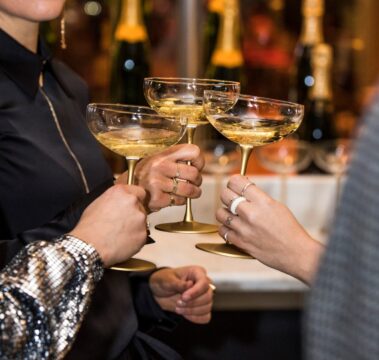
A more festive drink than champagne is unimaginable. At the same time, champagne is mysterious and often misunderstood. How exactly is it made, and what does ‘brut’ actually mean? How exactly should you drink it, and from which glass? These questions and many more are all addressed in the new podcast series ‘Where Do Bubbles Come From’.

Champagne lover and journalist Liesbeth Rasker and champagne expert Bob Bron dive into the world of my all time favorite for this podcast: champagne. Through conversations, you’ll learn how this delicious and prestigious drink is made and enjoyed. The podcast is now available to listen to on, among others, Spotify.
Fun fact
The production of sparkling wine in Champagne began at the end of the 17th century. This was also the era of one of Champagne’s best-known personalities: Dom Pérignon (1638 – 1715). This monk was stationed by the church in Haut Villiers in 1668, and as cellar master he had an immeasurable influence on the style and perfection of champagne. However, unlike what is often assumed, he did not invent the bubbles. He probably devoted most of his life to preventing them.
Crisis? Not in Champagne
Despite the coronavirus, 2021 will be one of the best champagne years ever. Bob Bron, director of Moët Hennessy Netherlands, announced this at the launch of the new podcast series. ‘When the coronavirus crisis broke out last year, champagne sales initially fell sharply. This was mainly due to the disappearance of nightclubs and cruise ships. The closure of late-night hospitality venues in particular had a major impact.’
‘When the crisis lasted longer, we saw champagne sales through retail rise significantly. Last year, 21% more was sold through liquor stores and online channels compared with the previous year. The expectation is that champagne sales will rise even further this year, especially now that the hospitality industry is reopening and people will be staying in the Netherlands in the coming months.’
Night frost
A champagne shortage is not an immediate threat, because there is still sufficient stock in the cellars. Due to champagne’s minimum aging period, champagne is always a few years behind the facts. Bron does not yet dare predict what the situation will be in three years. ‘Because of the coronavirus, production was unable to take place for two months, something that is difficult to make up for. In addition, the amount of grapes that could be harvested last year was restricted because of the global crisis. Last year, only 8,000 kilos of grapes per hectare could be picked, slightly more than half of the yield in 2018.’
‘This year also got off to a poor start for champagne because severe night frost damaged 20% of the vineyard area. We do not know what else to expect this year, up until the harvest in August/September. Various factors, such as the economy, stock levels and the climate, influence the available quantity and the eventual price of champagne.’
Want to know more? Chill some bubbles and turn on your podcast! Cheers!
Also read:
- Make the most of your space with this beer-crate table!
- For all Flügel fans: you can now buy Flügel ice pops
- These are the best holiday addresses for wine lovers


