


How long you can reuse PET water bottles (but pay attention to this too)
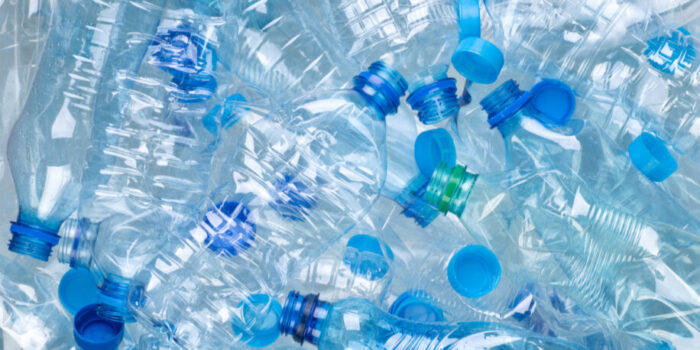
More and more people are becoming more conscious of packaging and waste, and the fact that there is now a deposit on plastic water bottles will (hopefully) also ensure that they are thrown away carelessly less often. The use of reusable cups and bottles is also encouraged, but not everyone has, for example, a water bottle specifically intended for that purpose. So can it hurt to reuse those small plastic bottles?

Of course, reusing things is already very good for the environment and your wallet. But first, it is important to know that you need to keep your water bottle properly clean (including one intended for long-term use). Second, it is good to know that a lot of bacteria can be present in those reused bottles, and then there is also the issue of harmful substances.
Lots of bacteria, but not necessarily harmful ones
Microbiologist Rijkelt Beumer examined 66 reused water bottles for the presence of bacteria for the consumer program Kassa. Half of them contained 100,000 to 1 million bacteria per milliliter of water (compared with 100 bacteria per ml in clean tap water), but the good news is that these were generally not potentially harmful species. With one exception: Staphylococcus aureus, although this bacteria does need protein-rich food to produce its toxins.
No cold rinse
The chance of bacteria accumulating was greater in bottles with a so-called sports cap. Food safety expert at the Netherlands Nutrition Centre Wieke van der Vossen says that it is advisable in any case to clean a water bottle regularly with hot water and a little non-abrasive dish soap. Simply rinsing the bottle with cold water does not clean it properly.
Microplastics in human blood
That said: at the temperature of 60 C that is desirable for getting something really clean, the plastic may release harmful substances sooner. A PET bottle may not contain harmful BPA substances that are bad for the kidneys, liver and fertility, but it has recently become known that PET substances have been found as microplastics in human blood. Van der Vossen therefore says that these small PET bottles are not made for permanent use. It is therefore difficult to determine how long you can reuse them, because the safety tests carried out beforehand are not aimed at long-term use.
Don’t put margaritas in them
Another expert, Susanne Waaijers from the RIVM plastics working group, also warns that these water bottles are tested for bottling water, not other drinks. You should therefore not pour acidic drinks such as soft drinks and alcohol into them either.
In general, concludes Nu.nl, you can reuse a PET bottle for water for a while if you keep it clean and out of the sun, because heat can lead both to an increase in bacteria and the release of chemical substances. And of course, throw the bottle away immediately if it starts to smell.
Also read:
- Keuringsdienst van Waarde: water filters are a scam
- Emma’s food annoyances: water with lemon
- Tap-water shame is apparently a thing (in Belgium)
Source: Nu.nl


