


Shocking: microplastics found in human blood for the first time
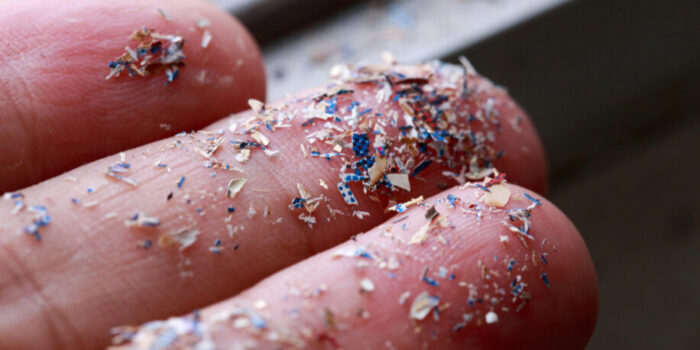
Microplastics entering the body through food and water: a rotten development that we described earlier in this article about plastic in fish. It has now been demonstrated for the first time that plastic particles can also remain in human blood, after it had previously been established that they can be found in, for example, the placenta and stool.

What were microplastics, or plastic particles, again? What is usually meant are plastic particles no larger than 5 millimeters. That’s half a centimeter of plastic, easily distinguishable with the naked eye, that could settle in your body…
More than three-quarters of people
Scientists at Vrije Universiteit Amsterdam were able to set up a study for the first time to examine the presence of microplastics in blood, reports NOS. Previously, this was difficult because standard research materials, if also partly made of plastic, could interfere with the measurements.
Special glassware had to be made specifically for this study, and this made it possible to conduct a special blood test on 22 subjects. In how many of them was plastic found in their blood? Seventeen. Seventeen!
Crying into your cap
PET plastic was found in half of the samples collected; the plastic used, among other things, to make plastic bottles. One-third of the samples contained polystyrene, which is used to make, for example, those foam-plastic food containers.
Further research is needed to determine what the consequences of this finding are and how harmful the presence of plastic in a body can be to human cells. Laboratory studies have found indications that it can cause damage, but the result in practice may be different because the duration of its presence can vary.
Research leads to more questions
Follow-up research should also be conducted to determine whether and after how long a person excretes the plastic again through, for example, the kidneys. Or whether the particles instead become lodged in organs or capillaries. Marja Lamoree, an analytical chemist and one of the lead researchers, explained this to NPO.
Harmfulness to humans must be measured based on two factors: whether a person has been exposed to a potentially harmful substance, and what effect that substance has on the body. The researchers conclude that the first has now at least been proven.
It seems so harmless
According to Lamoree, the demonstrated presence in itself is already something to worry about. She says: “You can compare it a little to seeing a polar bear from a boat. That polar bear can’t do anything to you from a distance. But if you unexpectedly end up near the polar bear, it’s a different story.”
Visit NOS.nl for more information about this and earlier research, and be sure to click on the video in the article to see how the researchers themselves are changing their daily lives because of the results. Hint: those cardboard cups you drink your coffee from may be far less harmless than you think…
Also read:
- What’s better for the environment: plastic cling film or aluminum foil?
- 10 utterly nonsensical plastic supermarket packages
- Why does Dutch cheese have a plastic rind (and French cheese doesn’t)?
Source: nos.nl


