



How to choose the best pasta in the supermarket
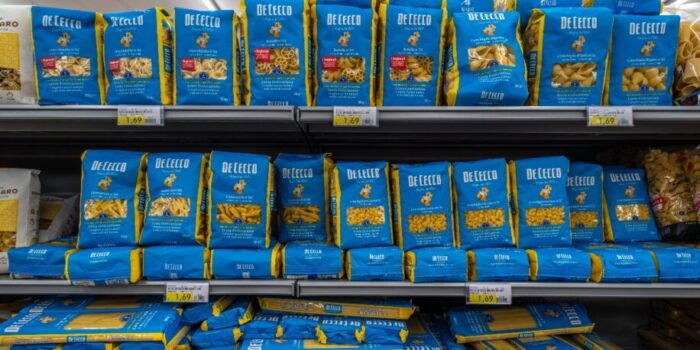
Pasta is serious business for Italians, but for us too. But which pasta is actually the best? The pasta selection in the supermarket is enormous. You can choose from fusilli, penne, spaghetti, tagliatelle, rigatoni and many more types of pasta, and there is also a choice of different (own) brands. How do you know whether you are really choosing good-quality pasta? Our colleagues at Italiamo are lending you a hand to pick the best pasta in the supermarket from the shelf.

Pasta is one of the best things on earth, so let’s not argue about that. Besides being delicious, pasta is also an incredibly versatile product. You can do all kinds of things with it. For example, make pasta with ‘raw sauce’ from Rome. A wonderful dish because of its simplicity and combination of flavours, which Italy is known for. That is why we love pasta so much: it asks little and gives so much in return.
A major misconception among many non-Italians is that fresh pasta is better than dried pasta. That is not the case. It is all about the right combination of pasta type and sauce.
Colour of the pasta
Good pasta is made from two ingredients: durum wheat and water. And egg. But not much more. First of all, it is best to look at the colour. In an ideal world, pasta is slowly dried by the sea and in the sun. That salty climate and the time allowed are perfect because porosity develops. This is important because the pasta will then bind well to the sauce later on.
Why do you pay more for spaghetti than macaroni in the supermarket?
In the supermarket, you can recognise this by a kind of powdery layer of flour on the pasta. Otherwise, you can always check whether the packaging says lenta essiccazione , meaning slowly dried. This allows the wheat to retain its flavour and quality. Furthermore, lighter-coloured pasta is often of better quality. If your pasta looks yellow, shiny and a little plastic-like, it is a more heavily processed product.
Bronze dies
Good pasta brands also state on the back of the packaging that the pasta was made using trafilatura ruvida al bronzo, in other words, bronze dies. Because bronze is not uniform in texture, this also contributes to the porosity of the pasta. And with a rougher and more porous surface, sauce sticks to the pasta more easily. This is in contrast to factory-made pasta, for which the dies are made of Teflon.
Pasta from Gragnano
In addition, the packaging of many high-quality pasta brands often states that they are made with acqua freddi di montagna, meaning water that comes from the mountains. If you still cannot quite figure it out after all these tips, check whether the pasta happens to come from Gragnano, a town in Campania south of Naples. This is the birthplace of one of Italy’s most prestigious and oldest pasta factories: Premiato Pastificio Afeltra. Gragnano was even built in such a way that the wind could be used optimally to dry pasta outdoors. Now that is love for a product!
Best pasta brands in the supermarket
In short, when doing your grocery shopping, look for the terms above on the packaging of dried pasta. Don’t feel like combing through all those supermarket shelves yourself? According to the Italians, De Cecco is the best pasta brand from the supermarket. We also like buying De Molisana, as well as Liguori from online supermarket Crisp and the aforementioned Afeltra, which we buy at Gastrovino.
Pasta can sit in your kitchen cupboard for centuries without spoiling. Even up to two years after its best-before date, so they say in Italy. Just make sure you still choose the right pasta for your sauce.
Also read:
- This supermarket sells the very best ready-made lasagne bolognese
- Su filindue is the rarest pasta in the world
- Why pasta water is worth its weight in gold


