


I ate at a restaurant where EVERYTHING is fermented, and this is what I thought
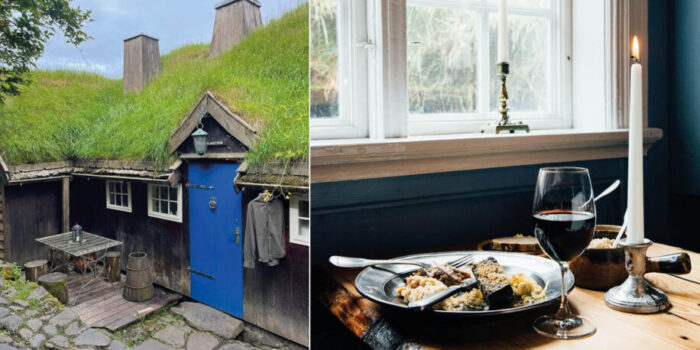
FavorFlav’s Rick Blaauw went out to eat at Restaurant Raest in Tórshavn, the capital of the Faroe Islands, an archipelago in the triangle between Scotland, Norway and Iceland, and one of the most isolated places in Europe. Here, modern cooking techniques are combined with centuries-old food traditions from the region. ‘Panic is setting in. How on earth am I going to get this down?’

The Faroe Islands (or the sheep islands; there are more sheep than people living here) are incredibly isolated. Because of their remote location, the population has depended since Viking times on the limited food they could find on and around the islands. That is why they have mastered fermentation—the technique of preserving food for longer—down to the finest detail and still use it extensively today.
Good for digestion
Because fermentation uses microorganisms such as yeast, fungi and bacteria to convert carbohydrates into alcohol or acids, and products such as meat and fish can be preserved for an incredibly long time, the flavor is often extremely pronounced. I’m not at all opposed to a bit of fermentation—bring on the sauerkraut, a good glass of beer or a delicious bowl of yogurt. The probiotics that develop during the fermentation process are even said to be good for digestion.
So when I discovered during my trip that there was a restaurant in Tórshavn specializing in fermented food, I didn’t hesitate for a moment. I had to go!
Blue door
As soon as I arrive at Raest, I fall a little bit in love. The building is located in a small 16th-century cottage that looks as though it has stepped straight out of a fairy-tale book. The roof is covered in a layer of moss and the exterior is entirely wooden. When we enter through the striking blue door, it feels as though we’re traveling back in time. The walls are covered with picture frames, and the interior reflects what the place must have looked like in the past. Through the hallway, we walk through a door so low that I almost crawl inside on my knees. In the old front room, we are given a table by the window.
Fermented cod
Fortunately, we don’t have to choose what we want to eat ourselves, because the chef decides. The menu consists of traditional dishes and cooking techniques combined with modern cuisine that is more familiar to us. A fermented drinks pairing is available as an option.
I’m a little nervous about what awaits us; the surströmming challenge by Bas Smit flashes through my mind. And it turns out that isn’t entirely unwarranted. The first little dish served to us consists of fermented and dried cod. When it arrives, it looks delicious, so I immediately take a good bite. Or at least I try to…
The flavor coming from the fish is something I have never experienced before. Although I normally like that, because I enjoy tasting new dishes and flavors, this really is a few bridges too far. Panic is setting in. How on earth am I going to get this down? I can barely get my teeth through the fish. I would have preferred to skip the indefinably sour, salty flavor. Although I politely try to eat my piece of fish because I can’t bear to disappoint the chef and lovely staff at the very first dish, my travel companion can’t get the fish down. She subtly hides it beneath her cutlery.
Sheep croquette
The fear of the dishes yet to come suddenly grows considerably. Fortunately, though, it isn’t too bad. Not every dish consists entirely of fermented products; sometimes they are combined with fresh ingredients, or the result is simply incredibly delicious. Like the fermented sheep dish, which of course cannot be missing on Sheep Island. They have even made a croquette from the meat. The flavor almost veers toward dry sausage, which I happen to love.
Sour flavor
The next dish is garnished with wafer-thin ribbons of radish. Beneath them are small pieces of fermented fish that look mushy. The dish is beautiful, truly, but the smell coming from it is awful. With some difficulty, I try not to let the fumes assaulting my nose influence my first bite. I should have done just that: the texture of the mushy fish combined with the sour flavor means I can barely keep my bite down. Red-faced with embarrassment, I admit that this is really too intense for me. Fortunately, our server remains friendly—we’re not the only ones. This dish is not for amateurs.
Amateur fermenter
And with that, she hits the nail on the head. I’m an amateur fermenter. My fermentation comfort zone doesn’t extend much beyond kombucha and kimchi. Although the chef also serves us delicious dishes with fermented cranberry sauce and chocolate, it’s mainly the intense flavors of the other dishes that stick with me. But if you’re in the Faroe Islands, enjoy adventurous dishes and like tasting traditional cuisine, this restaurant is definitely a must. It’s different from anything you’ve eaten before, and the service is excellent. However, if the smell of an innocent blue cheese already makes you feel nauseous, give it a miss. This restaurant is not for people with weak stomachs.
Also read:
- How to sharpen your knife without a knife sharpener
- Henk Schiffmacher designs a chef’s knife
- Are wooden spatulas unhealthy?
Image: Restaurant Raest


