


Is ‘local’ always better?
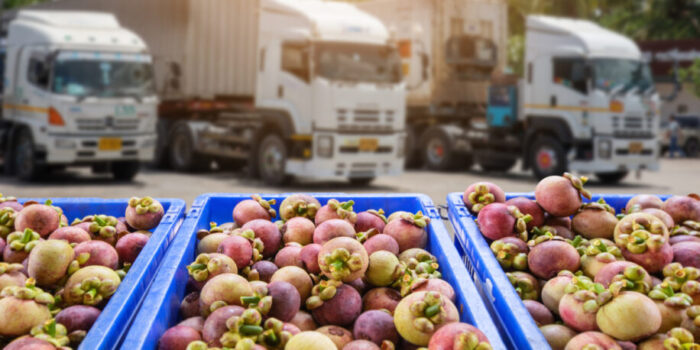
‘Local’ food: that sounds like something we should all be striving for, doesn’t it? The courgettes you buy come from the grower further down the road in the province (or better yet, from your own allotment garden) and the pork chop from the farm shop of the pig farmer on the other side of the meadow. However, the fact that reality is more complicated is clear from the accounts of a number of experts.

Because it sounds both romantic and economical to source all your food from very nearby, and people may think it is also the most sustainable option. In addition, the war in Ukraine and the subsequent shortage of, for example, sunflower oil, has shown that it can be useful not to always be dependent on basic ingredients from abroad. But it is a story with several sides.
Sometimes farther is better
On Nu.nl, two experts have their say: Petra Berkhout, agricultural economist at Wageningen University & Research, and Karin Pauls, a social sciences researcher at the same university. Pauls explains that producing food nearby (i.e. locally) is far from always the most sustainable option. For example, tomatoes have to be grown in greenhouses in our country during winter, at high energy costs. Even with the transport of tomatoes from Morocco or Spain during that period, the latter is a more cost-effective option. And according to Pauls, that also counts when it comes to sustainability.
Variety on your plate
According to Petra Berkhout, trade in different types of food between countries also contributes to a varied eating pattern. However, she believes there should be some distribution (think of some countries’ dependence on Ukrainian grain), but greater self-sufficiency within the EU “is of course also a political discussion.”
Short or long
Also interesting: transporting local goods in small lorries within a province (i.e. a short supply chain) can sometimes cause even greater CO2 emissions than transport within a longer supply chain using large, fuel-efficient trucks. Once again, it turns out that there are many facets to how we should shape the future of our food supply, and that it is important to inform yourself properly. If you would like to read the full Nu.nl article, click here.
Also read:
- Why San Marzano tomatoes are the fake Rolex of canned tomatoes
- 5 simple tips for sustainable cooking
- Sunflower oil still listed on product labels (even though it is no longer in them)
Source: Nu.nl


